Restoring Tarnished Zari on Vintage Banarasi Silk Saris in 2026
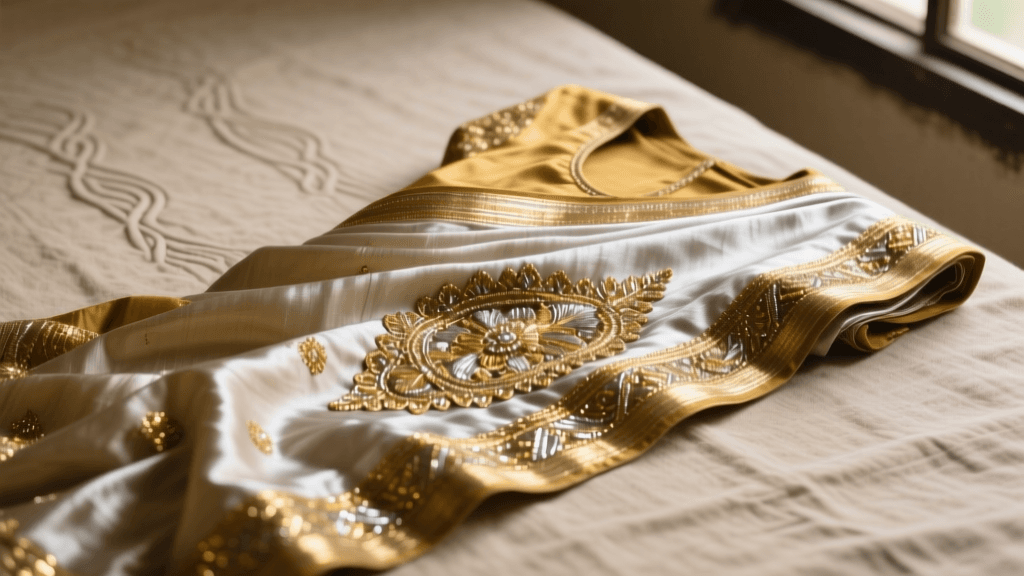
The Enduring Legacy of Banarasi Silk and Zari Preservation
The Banarasi sari represents one of the most exquisite achievements in the history of Asian textile traditions. Originating from the sacred city of Varanasi, these garments are renowned for their opulent silk bases and intricate motifs woven with zari—a traditional metallic thread. For collectors, heritage enthusiasts, and families passing down heirlooms, maintaining the luster of vintage Banarasi saris is a paramount concern. As we navigate the unique environmental challenges of 2026, including fluctuating global humidity levels and shifting indoor climate controls, the preservation of these delicate textiles requires a modernized, scientifically backed approach.
Over time, the metallic threads in vintage zari work inevitably succumb to oxidation, losing their brilliant gold or silver sheen and turning a dull, tarnished black or brown. This comprehensive guide explores the chemistry behind zari tarnish, provides safe, actionable restoration techniques, and outlines the latest 2026 archival storage standards to protect your Banarasi silk saris for generations to come.
The Chemistry of Tarnish: Why Vintage Zari Darkens
To effectively restore zari, one must first understand its anatomy and the chemical processes that cause it to degrade. Traditional, high-quality Banarasi zari, often referred to as pure zari or real zari, consists of a silk core yarn wrapped with flattened silver wire, which is then electroplated or gilded with gold. When this silver core is exposed to sulfur compounds in the atmosphere, it reacts to form silver sulfide, a dark compound that manifests as black tarnish on the surface of the thread.
In 2026, urban environments and modern household products (such as certain paints, rubber, and wool carpets) continue to emit trace amounts of sulfur dioxide and hydrogen sulfide. Furthermore, human skin naturally produces oils and acidic sweat that accelerate this oxidation process when the sari is worn. Unlike synthetic 'tested zari' or copper-based imitation threads—which may peel or turn green due to copper oxidation—pure silver zari tarnishes uniformly. Identifying whether your vintage sari features pure silver zari or a synthetic alternative is the critical first step before applying any restoration method.
Identifying Your Zari Type
Before attempting any cleaning, perform a non-destructive assessment. Pure zari is significantly heavier and has a softer, more pliable drape than synthetic alternatives. If you have access to a loose, broken thread from an inner seam, you can perform a careful burn test. Real silk and silver zari will leave a fine, crushable ash and a metallic residue, whereas synthetic polyester zari will melt into a hard, plastic bead. For a non-destructive approach, use a strong neodymium magnet; while silver is not magnetic, some vintage imitation zari threads contain ferrous metal cores that will react to the magnet.
Safe At-Home Zari Polishing Techniques for 2026
When restoring vintage Asian garments, the golden rule of textile conservation is to prioritize the structural integrity of the base fabric over the aesthetic shine of the embellishment. The silk foundation of a Banarasi sari is highly susceptible to water spotting, dye bleeding, and fiber degradation. Therefore, wet-cleaning the entire garment is strongly discouraged outside of a professional laboratory setting. Instead, we utilize targeted, low-moisture, and dry-cleaning methods.
Method 1: The Dry Micro-Abrasion Technique
For light to moderate surface tarnish, dry polishing is the safest at-home method. In 2026, specialized jeweler's micro-abrasion cloths are widely available and formulated specifically for delicate silver work without the use of harsh liquid chemicals.
- Materials Needed: A high-quality untreated silver polishing cloth (ensure it is labeled safe for porous surfaces), a soft-bristled makeup brush, and a clean, flat workspace.
- The Process: Lay the sari flat on an acid-free surface. Gently brush the zari work with the soft makeup brush to remove any loose particulate dust or abrasive grit that could scratch the metal during polishing.
- Application: Lightly pinch the tarnished zari thread between the folds of the polishing cloth. Using a gentle, back-and-forth motion, rub the thread. Do not pull or stretch the thread, as the aged silk core may snap. The micro-abrasives in the cloth will lift the silver sulfide layer, revealing the bright metal beneath.
- Finishing: Use a clean, soft brush to sweep away any residual polishing dust from the silk base.
Method 2: The Tamarind and Distilled Water Spot Treatment
For heavier oxidation where dry methods are insufficient, traditional Indian conservators have long utilized the mild acidic properties of tamarind to dissolve silver sulfide. This method requires extreme precision to ensure the acidic solution does not contact the silk base, which could cause permanent water rings or dye migration.
- Materials Needed: Pure tamarind paste (free of added sugars or salts), distilled water, cotton swabs, and a neutralizing agent like a mild baking soda solution.
- The Process: Create a dilute solution by mixing a pea-sized amount of tamarind paste with one tablespoon of distilled water. Allow it to steep and settle, then use only the clear liquid at the top.
- Application: Dip a cotton swab into the tamarind water and dab it on a paper towel to remove excess moisture. The swab should be damp, not wet. Carefully trace the damp swab along the tarnished metallic threads. The mild tartaric acid will react with the tarnish, lifting it almost instantly.
- Neutralization: Once the tarnish is removed, immediately follow with a fresh cotton swab lightly dampened with distilled water to rinse the acid, followed by a dry swab to absorb the moisture. Ensure the silk base remains completely dry throughout this process.
Archival Storage Solutions to Halt Future Oxidation
Restoration is only half the battle; preventative preservation is where the true value of garment care lies. The environmental standards for storing heirloom Asian textiles have evolved significantly. According to guidelines supported by institutions like the Victoria and Albert Museum, maintaining a stable micro-climate is essential for halting the chemical reactions that cause both silk degradation and metal tarnishing.
Climate Control and Humidity Management
Silver tarnish accelerates exponentially in high-humidity environments. In 2026, with global weather patterns causing severe seasonal humidity spikes in many regions, relying solely on a standard closet is insufficient for vintage Banarasi silk. The ideal relative humidity (RH) for storing mixed-media textiles like silk and silver is between 45% and 55%. Invest in a digital hygrometer to monitor your storage space. If your closet exceeds 60% RH, utilize a wireless, rechargeable mini-dehumidifier specifically designed for wardrobe spaces, or integrate silica gel cassettes that can be baked and reused.
The 2026 Standard for Archival Wrapping
Never store a vintage Banarasi sari in plastic bags, vinyl covers, or directly inside wooden drawers. Plastic traps moisture and emits off-gassing chemicals, while raw wood releases acidic vapors and sulfur compounds that aggressively tarnish zari. The modern conservation standard involves a multi-layered wrapping technique:
- Inner Layer: Wrap the sari in unbleached, washed muslin cloth or specialized anti-tarnish tissue paper. Anti-tarnish tissues are impregnated with microscopic copper particles that act as a sacrificial anode, absorbing sulfur compounds from the air before they can reach your silver zari.
- Outer Layer: Place the wrapped sari inside an archival-grade, acid-free, and lignin-free cardboard box. Ensure the box is large enough to accommodate the sari with minimal folding. Sharp folds over decades will cause the metallic threads to fracture and the silk to split.
- Refolding Schedule: To prevent permanent crease damage, unbox and refold the sari along different lines every six months. This is also an excellent opportunity to air out the garment and check the condition of your desiccants.
Comparison Table: Zari Restoration Methods Evaluated
Choosing the right restoration method depends on the severity of the tarnish, the fragility of the vintage silk, and your budget. Below is a comparative analysis of the primary techniques available to collectors and conservators in 2026.
| Restoration Method | Best Application | Risk to Silk Base | Efficacy on Heavy Tarnish | Estimated Cost (2026) |
|---|---|---|---|---|
| Dry Jeweler's Cloth | Light surface dullness and routine maintenance | Very Low | Low | $12 - $18 |
| Tamarind Spot Clean | Moderate, localized silver sulfide oxidation | Medium (if moisture transfers) | High | $5 - $10 |
| Professional Conservation | Severe blackening, antique silk, museum pieces | Lowest (Expert handled) | Maximum | $150 - $450+ |
Knowing When to Call a Professional Textile Conservator
While at-home methods are suitable for personal heirlooms with moderate tarnish, certain situations demand the expertise of a certified professional. If your vintage Banarasi sari is over 80 years old, exhibits 'shattered' silk (where the fabric tears easily under its own weight), or features heavily degraded, blackened zari that covers the majority of the garment, do not attempt DIY restoration. The mechanical stress of rubbing the threads can cause irreversible structural failure.
Professional textile conservators utilize specialized, museum-grade reducing agents and controlled micro-vacuum tables to clean metallic threads without introducing liquid moisture to the silk. As noted by the Canadian Conservation Institute, the removal of silver tarnish requires a delicate balance of chemical reduction and mechanical action that is best calibrated by trained scientists. To find a qualified expert, consult directories provided by organizations such as the American Institute for Conservation, ensuring you select a specialist with documented experience in South Asian composite textiles.
Conclusion
Preserving the intricate zari work on a vintage Banarasi silk sari is an act of cultural stewardship. By understanding the chemical nature of silver tarnish, employing gentle and targeted restoration techniques, and adhering to strict 2026 archival storage standards, you can halt the degradation of these magnificent garments. Whether you are gently polishing a family heirloom with a micro-abrasion cloth or investing in professional conservation for a museum-quality piece, the care you provide today ensures that the brilliant shimmer of Banarasi weaving will continue to captivate future generations.