Top Japanese Kimono Schools & Apprenticeships in 2026
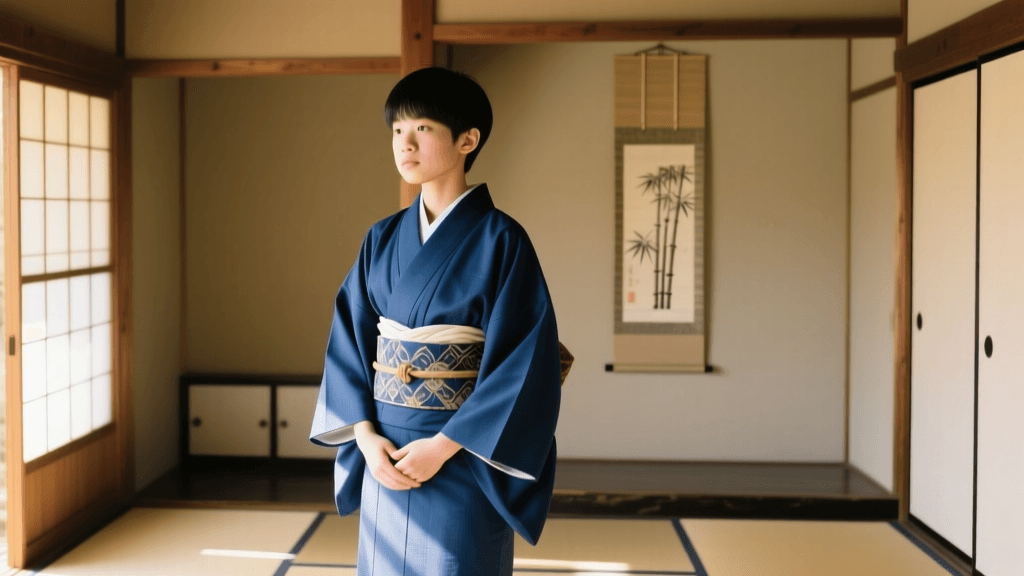
The Renaissance of Traditional Japanese Garment Education in 2026
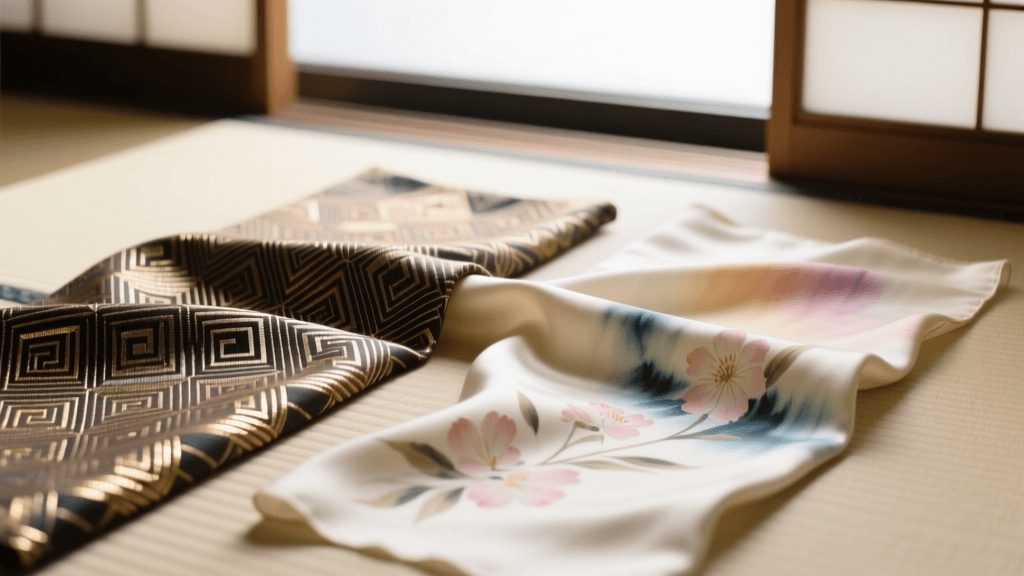
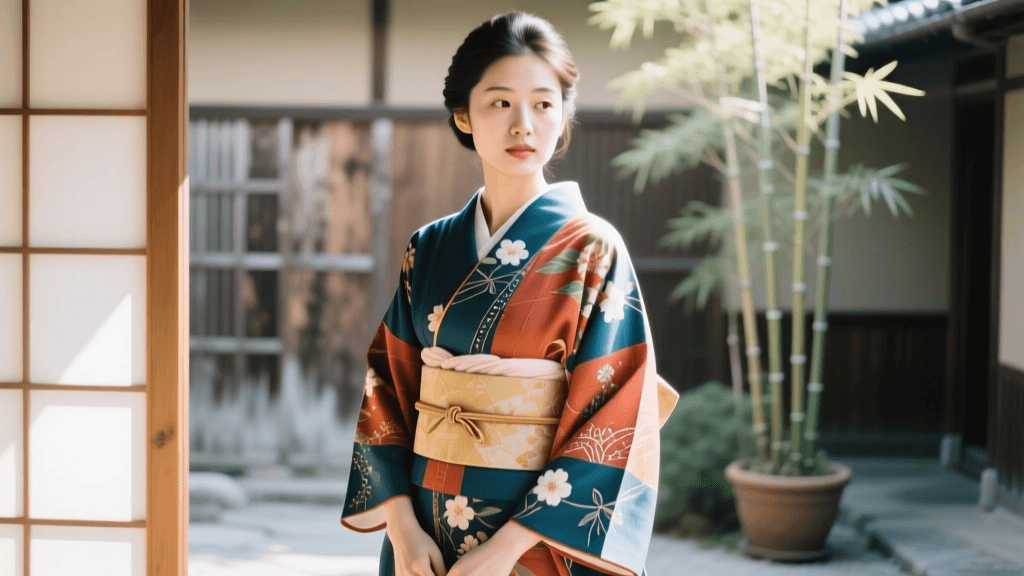
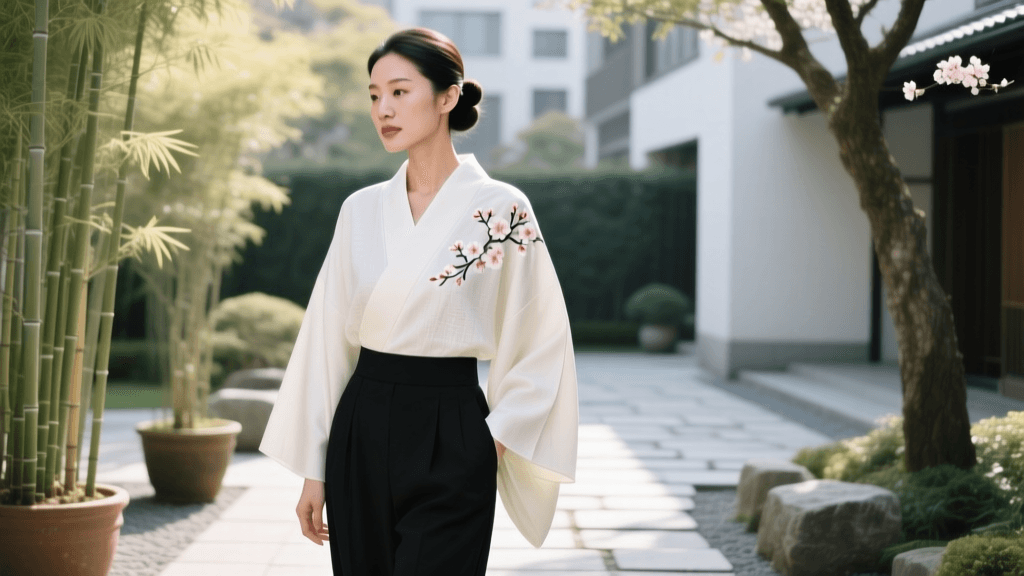
The global fascination with wafuku (traditional Japanese clothing) has reached new heights in 2026. As sustainable fashion and slow-craft movements dominate the global apparel industry, the meticulous art of kimono construction, yuzen dyeing, and hakama tailoring has never been more relevant. For aspiring designers, textile artists, and cultural preservationists, Japan remains the undisputed epicenter of heritage garment education. However, navigating the intersection of modern fashion academies and centuries-old apprenticeship systems requires careful planning, cultural fluency, and a deep understanding of the current educational landscape.
Whether you aim to master the geometric precision of the kata-yuzen stencil dyeing technique or the structural elegance of the hon-busui hand-stitching method, studying in Japan offers an unparalleled sensory and technical education. In this comprehensive guide, we break down the premier institutions, the realities of the traditional deshi (apprentice) system, and the actionable steps you need to take to begin your journey in 2026.
Formal Education vs. The Traditional Deshi Apprenticeship
Prospective students must first choose between two distinct pedagogical paths: formal institutional education and the traditional master-apprentice model. Both avenues produce master artisans, but they cater to different learning styles, career goals, and timelines.
Formal schools provide a structured curriculum that blends traditional techniques with modern design theory, business management, and global fashion trends. Conversely, the deshi system is an immersive, often grueling, holistic lifestyle dedicated entirely to a single master craftsperson, focusing on repetition, observation, and the gradual mastery of a highly specific regional technique.
| Feature | Formal Fashion / Kimono School | Traditional Deshi Apprenticeship |
|---|---|---|
| Duration | 2 to 4 years (Diploma/Degree) | 5 to 10+ years (Until Master Certification) |
| Annual Cost (2026) | ¥1,100,000 - ¥1,600,000 JPY | Free (Often includes room/board stipend) |
| Curriculum Focus | Broad (Pattern drafting, dyeing, styling, business) | Hyper-specialized (e.g., only Nishijin weaving) |
| Language Requirement | JLPT N2 (Some English programs available) | JLPT N1 / Native-level fluency required |
| Certification | School Diploma, Kimono Kitsuke Certificates | Dento Kogeishi (Traditional Craftsperson) |
Top Japanese Fashion & Kimono Schools for 2026
Bunka Fashion College (Tokyo)
While globally renowned for avant-garde contemporary fashion, Bunka Fashion College also houses exceptional departments dedicated to traditional Japanese garment construction and textile arts. In 2026, Bunka continues to lead in integrating 3D digital drafting with historical wafuku pattern making. Their specialized courses in traditional textiles allow students to study under living legends of the Japanese fashion industry. Tuition for the 2026 academic year averages around ¥1,400,000 JPY, excluding materials. International students benefit from Bunka's robust visa sponsorship and dedicated international student dormitories in Shibuya.
Kyoto University of the Arts (Kyoto)
Located in the cultural heart of Japan, the Department of Crafts and Textile Arts at Kyoto University of the Arts offers a deeply academic and hands-on approach to traditional garment creation. Students here have direct access to the Nishijin weaving district and Kyo-yuzen dyeing studios. The university's 2026 curriculum places a heavy emphasis on sustainable natural dyes (such as ai-zome indigo and benibana safflower) and the preservation of regional weaving techniques like Omi-jofu. The campus environment is deeply intertwined with Zen spirituality, offering a meditative approach to the slow-craft process.
Sugino Fashion College (Tokyo)
Sugino is highly respected for its historical costume research and traditional Japanese dressmaking programs. Their Kimono Making and Kitsuke (dressing) courses are considered some of the most rigorous in the country. The college maintains an extensive archive of Edo and Meiji period garments, allowing students to physically deconstruct and study historical stitching techniques that are rarely documented in modern textbooks.
Navigating the Deshi (Apprenticeship) System
For those who wish to bypass academia and dive straight into the atelier, the deshi system remains the gold standard for achieving the title of Dento Kogeishi (Traditional Craftsperson), a designation overseen by the Agency for Cultural Affairs. Becoming a deshi to a master artisan in fields like Kyo-yuzen (Kyoto resist-dyeing) or Nishijin-ori (Kyoto brocade weaving) is not something you can simply apply for via an online portal.
The Reality of the Atelier: A traditional apprenticeship begins with menial tasks—sweeping the studio, washing brushes, and preparing the rice paste resist (itome-nori). For the first two to three years, an apprentice may not be allowed to touch the silk. This period tests the apprentice's patience, humility, and dedication. By year five, the apprentice begins executing minor dyeing or weaving tasks under the master's watchful eye. By year ten, they may be permitted to develop their own motifs and eventually inherit the master's studio name.
How to Secure an Apprenticeship: International candidates must first spend at least two years in Japan working in a related textile field, building a network within local craft cooperatives (such as the Kyoto Nishijin Weaving Industrial Association). Introductions (shokai) from respected community elders are mandatory. Without a trusted intermediary, master artisans will rarely accept a foreign deshi, due to the high cost of training and the risk of proprietary techniques being leaked.
Essential Tools for First-Year Garment Students
Whether entering a formal school or an apprenticeship, students in 2026 must invest in high-quality, specialized hand tools. Mass-produced alternatives will not suffice for traditional silk manipulation. Expect to spend approximately ¥85,000 JPY on your initial starter kit.
- Kujira-shaku (Whalebone Ruler): Essential for measuring traditional Japanese proportions. A genuine bamboo or whalebone substitute ruler costs around ¥4,500 JPY.
- Herabari (Silk Stretching Spatulas): Used to stretch and smooth silk over the yuzen frame. A set of three polished wooden hera costs ¥6,000 JPY.
- Shinshi (Tension Needles): Bamboo needles with metal pins used to hold fabric taut during dyeing. A box of 50 costs ¥3,200 JPY.
- Mekaki-bari (Fine Silk Hand-Sewing Needles): Specifically forged in Hiroshima for passing through tightly woven chirimen (crepe) silk without snagging. ¥2,500 JPY per pack.
- Ate-ginu (Pressing Cloths): Unbleached cotton cloths used to protect delicate silk during the yudan (steaming and stretching) process. ¥1,800 JPY each.
Visa, Language, and Financial Requirements
Securing the correct legal status is critical. For formal schools, students will apply for a Student Visa (Ryugaku). This requires acceptance from the school and proof of financial capability (usually around ¥2,000,000 JPY in a bank account to cover first-year living expenses). For unpaid or stipend-based traditional apprenticeships, the Cultural Activities Visa (Bunka Katsudo) is often utilized, though it strictly prohibits paid employment outside the atelier.
Language is the highest barrier to entry. While some Tokyo-based fashion schools offer bilingual support, traditional kimono schools and master artisans operate entirely in Japanese, often utilizing highly specialized regional dialects and archaic craft terminology. Achieving JLPT N2 is the absolute minimum for school admission, but JLPT N1 is practically required to understand the nuanced, poetic instructions given by master dyers and weavers.
Financial aid is available. The Japanese government, through the Ministry of Education, Culture, Sports, Science and Technology (MEXT), offers prestigious scholarships for international students pursuing vocational and undergraduate degrees in Japan. Additionally, private foundations like the Rotary Yoneyama Memorial Foundation provide substantial monthly stipends for students dedicated to preserving Japanese cultural arts.
Actionable Steps to Apply in 2026
If you are targeting the April 2027 academic intake, your preparation must begin in early 2026. Follow this timeline to ensure a successful application:
- January - March 2026: Finalize your JLPT N2/N1 certification. Begin researching specific ateliers or school departments. Attend virtual open-campus events hosted by Bunka and Kyoto University of the Arts.
- April - June 2026: Prepare your portfolio. For traditional garment programs, your portfolio should not just feature modern fashion sketches; include detailed studies of historical textiles, macro photography of weave structures, and essays on the cultural significance of specific motifs (e.g., sho-chiku-bai).
- July - September 2026: Submit applications and MEXT scholarship documentation. If pursuing an apprenticeship, travel to Kyoto or Kanazawa to attend public craft exhibitions (tenjikai) to network with master artisans and cooperative leaders.
- October - December 2026: Complete entrance exams and interviews. For kimono schools, interviews often test your knowledge of Japanese garment history and your physical dexterity through a brief practical sewing test.
Conclusion
Mastering the art of traditional Japanese garments is a lifelong commitment to precision, history, and sensory awareness. Whether you choose the structured, innovative halls of a Tokyo fashion college or the quiet, incense-filled atelier of a Kyoto master dyer, the education you receive in 2026 will connect you to a lineage of artisans stretching back centuries. By understanding the distinct paths, preparing your finances, and respecting the cultural nuances of the application process, you can successfully weave your own thread into the rich tapestry of Asian sartorial traditions.