Hanfu on Global Runways: 2026 International Fashion Week Trends
The Renaissance of Hanfu in Haute Couture
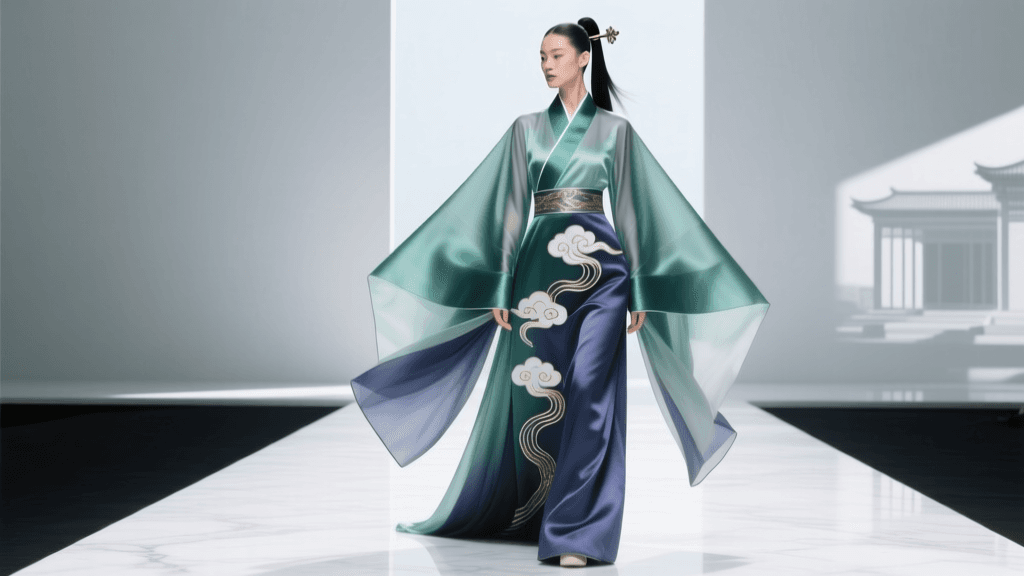
As the global fashion industry navigates the Spring/Summer and Fall/Winter 2026 seasons, a profound sartorial shift is unfolding on the runways of Paris, Milan, New York, and London. Hanfu, the traditional clothing system of the Han Chinese, has transcended its recent status as a niche streetwear subculture to become a foundational pillar of international haute couture. No longer confined to historical reenactments or localized cultural festivals, Hanfu silhouettes are being deconstructed, reimagined, and elevated by both heritage fashion houses and avant-garde independent designers.
The 2026 fashion week circuit has witnessed an unprecedented embrace of Eastern structural philosophies. Unlike Western tailoring, which historically relies on darts, seams, and rigid corsetry to mold fabric to the human form, traditional Hanfu celebrates flat pattern-cutting, geometric draping, and the harmonious relationship between the garment and the negative space it creates. This year, top-tier design incubators and luxury conglomerates are heavily investing in these zero-waste, modular design principles, positioning Hanfu-inspired aesthetics at the very forefront of sustainable luxury.
Key Hanfu Silhouettes Dominating 2026 Runways
The Mamianqun (Horse-Face Skirt) Evolution
Arguably the most exported Hanfu silhouette of the decade, the Mamianqun has become a staple in 2026 runway collections. Historically characterized by its flat front and back panels with heavily pleated sides, the horse-face skirt was designed for modesty and mobility, particularly during the Ming Dynasty. On the 2026 runways, designers are adapting the Mamianqun into modular, transformable garments. By utilizing heat-bonded pleating techniques and memory-fabric blends, the modern Mamianqun maintains its architectural side-pleats while allowing the flat panels to serve as canvas for digital printing and laser-cut embroidery. Several Parisian houses have introduced detachable Mamianqun overlays that can be worn over tailored trousers, merging historical elegance with contemporary utility.
Ruqun and the Modern Layering Technique
The Ruqun ensemble, consisting of a top (ru) and a wrap skirt (qun), is defined by the jiaoling youren—the cross-collar that wraps left over right. In 2026, this specific collar structure has been adopted as a symbol of cosmic duality and balance. Designers are translating the cross-collar into asymmetrical lapels on structured blazers, wrap-style knitwear, and even outerwear. The traditional high-waisted Qixiong Ruqun (chest-high skirt) is being reinterpreted through the lens of modern evening wear, utilizing bio-based silks that drape fluidly over the bodice without the need for restrictive undergarments.
Beizi: The Ethereal Overcoat
The Beizi, a traditional slipdress or overcoat worn open at the front, has found its 2026 equivalent in the realm of sheer, oversized trench coats and dusters. Runway stylists are layering floor-length, side-slit Beizi over minimalist slip dresses or tailored suits. The straight, unstructured cut of the Beizi provides a striking contrast to the sharp, tailored garments worn beneath it, creating a dynamic interplay of volume and transparency that has captivated fashion critics this season.
Textile Innovations: Traditional Craft Meets Sustainable Tech
The integration of Hanfu on global runways is not merely a triumph of silhouette, but a renaissance of ancient textile engineering. The fashion industry's pivot toward sustainability has drawn global attention to heritage Chinese dyeing and weaving techniques, which inherently champion slow fashion and ecological harmony.
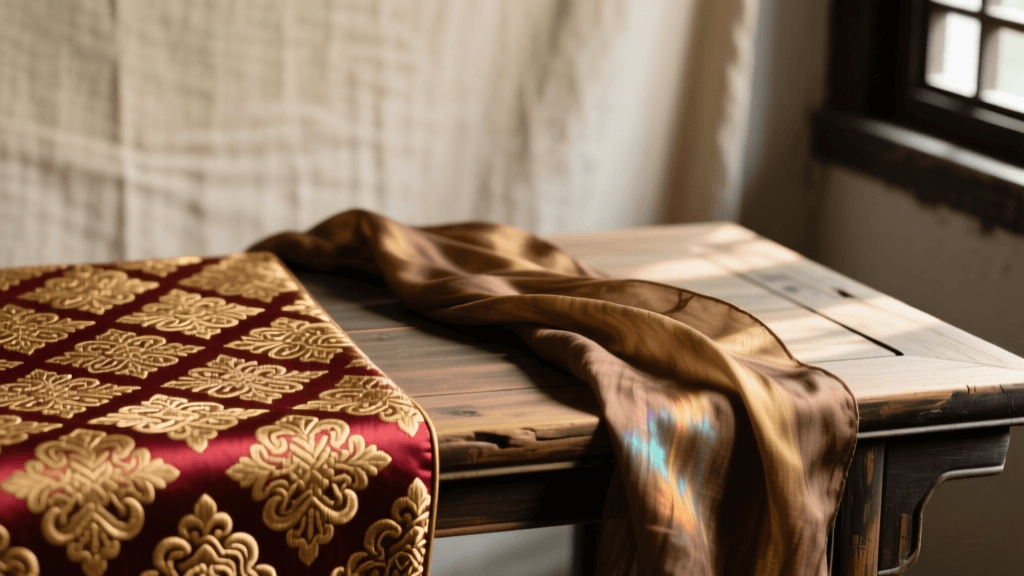
One of the most celebrated textiles of the 2026 season is Xiangyunsha, also known as Gambiered Canton Gauze. This extraordinary fabric is dyed using the juice of the薯莨 (Dioscorea cirrhosa) tuber and coated with iron-rich mud from specific river deltas, a process recognized for its profound cultural and ecological significance. As documented by UNESCO's Intangible Cultural Heritage listings, the meticulous, sun-dependent curing process yields a fabric that is naturally antibacterial, water-resistant, and boasts a distinctive dual-tone finish. In 2026, luxury houses are partnering with artisan cooperatives in Guangdong to source Xiangyunsha, utilizing its crisp, paper-like drape for structural outerwear and avant-garde headpieces.
Furthermore, the historical mastery of Chinese silk weaving continues to inform modern textile innovation. The foundational techniques of sericulture and complex brocade weaving, extensively chronicled by institutions like The Metropolitan Museum of Art's Heilbrunn Timeline of Art History, are being merged with 21st-century biotechnology. Designers are now utilizing lab-grown spider silk and fermented cellulose fibers woven on modernized Jacquard looms to replicate the intricate, multi-layered patterns of traditional Song Brocade (Songjin) without the heavy environmental footprint of conventional animal agriculture.
Comparison: Traditional Hanfu vs. 2026 Runway Adaptations
| Traditional Element | Historical Function & Philosophy | 2026 Runway Adaptation | Key Materials Used in 2026 |
|---|---|---|---|
| Mamianqun (Horse-Face Skirt) | Modesty, mobility, and structural elegance without zippers or buttons. | Modular wrap skirts with hidden magnetic closures and heat-set memory pleats. | Recycled polyester blends, vegan leather accents, bio-silk. |
| Jiaoling Youren (Cross-Collar) | Cosmic duality (Yang over Yin); left lapel wrapping over the right. | Asymmetrical lapels on oversized blazers; modular wrap-tops with adjustable ties. | Heavyweight crepe, merino wool, 3D-knit无缝 (seamless) yarns. |
| Beizi (Open Overcoat) | Casual, scholarly outerwear featuring side slits for ease of movement. | Sheer, floor-length dusters and deconstructed trench coats with exaggerated side slits. | Xiangyunsha (Gambiered gauze), organza, translucent TPU. |
| Pingjian (Flat Shoulder Construction) | Garments cut from single pieces of fabric without shoulder seams, promoting zero-waste. | Drop-shoulder tailoring and seamless 3D-knit sweaters that eliminate shoulder seam waste. | Zero-waste woven cottons, mycelium-based leather trims. |
Actionable Guide: Sourcing and Pitching Hanfu-Inspired Collections
For emerging designers, fashion students, and creative directors looking to integrate Hanfu elements into their upcoming collections, authenticity and innovation must go hand-in-hand. Cultural appreciation on the global stage requires a deep understanding of historical context, paired with modern execution. Below is a strategic guide for navigating the 2026 fashion landscape.
1. Sourcing Authentic and Sustainable Textiles
To avoid the pitfalls of fast-fashion cultural appropriation, designers must invest in authentic textile sourcing. The Shengze Silk Market in Suzhou remains the global epicenter for high-quality brocades and jacquards. However, for international designers unable to travel, partnering with certified digital textile platforms that specialize in heritage Chinese weaves is essential. When sourcing Xiangyunsha or Song Brocade, request certificates of origin and ensure that the dyeing facilities adhere to modern closed-loop water filtration systems. Blending these heritage fabrics with contemporary deadstock materials can create a compelling narrative of past-meets-future sustainability.
2. Mastering Flat Pattern-Cutting
Western fashion education heavily emphasizes draping and dart manipulation. To truly capture the essence of Hanfu, designers must study traditional Chinese flat pattern-cutting. This technique relies on geometric shapes—rectangles, trapezoids, and gussets—allowing the fabric to drape naturally over the body's contours. Utilizing CLO 3D or other digital fashion software, designers can simulate the drape of wide-sleeved Daxiushan (large-sleeve robes) and test the zero-waste efficiency of their markers before cutting a single yard of physical fabric.
3. Pitching to Fashion Week Incubators
When pitching a Hanfu-inspired collection to prestigious incubators like the LVMH Prize, the Woolmark Prize, or the Vogue China Designer Incubator, the narrative must extend beyond aesthetics. In 2026, juries are looking for systemic innovation. Your pitch deck should highlight:
- Cultural Provenance: Detail the specific dynasty and region your silhouettes reference, citing historical texts or museum archives (such as the Victoria and Albert Museum's Asian collections).
- Sustainable Engineering: Explain how the zero-waste nature of traditional Hanfu cutting reduces your brand's textile waste by a measurable percentage.
- Modern Utility: Demonstrate how historical garments are adapted for the modern, mobile consumer through modular design, hidden hardware, and wrinkle-resistant textile treatments.
Conclusion
The presence of Hanfu on the 2026 global runways is a testament to the timeless ingenuity of Asian sartorial traditions. By honoring the philosophical roots of flat pattern-cutting, the ecological wisdom of heritage dyeing, and the architectural beauty of the Mamianqun and Ruqun, today's designers are not merely borrowing from the past—they are engaging in a profound cross-cultural dialogue. As international fashion weeks continue to evolve, the integration of Hanfu stands as a powerful reminder that true innovation often lies in the respectful reimagining of ancient wisdom.