Qungua vs Qipao: The Ultimate Chinese Wedding Attire Guide
Choosing Your Chinese Wedding Attire: A Cultural and Practical Guide
For many brides and grooms of Chinese descent, the wedding day is not just a celebration of love, but a profound homage to ancestral roots. At the heart of this cultural expression is the traditional Chinese wedding attire worn during the tea ceremony and banquet. While modern weddings often feature a Western-style white gown for the vows, the ceremonial tea ceremony demands garments steeped in centuries of symbolism, craftsmanship, and regional heritage. The two most prominent choices for brides are the Qungua (Dragon Phoenix Jacket) and the Qipao (Cheongsam).
Selecting between these two iconic garments requires an understanding of their historical contexts, structural differences, and the practical logistics of wearing them on your wedding day. This comprehensive guide breaks down everything you need to know about measurements, costs, tailoring timelines, and ceremonial etiquette to ensure you make an informed, culturally resonant choice.
The Qungua: Heritage, Symbolism, and Heavy Embroidery
The Qungua, often referred to as the Longfeng Gua (Dragon Phoenix Jacket) or simply the Kwa in Cantonese traditions, is a two-piece ensemble consisting of a tailored jacket and an A-line skirt. Originating from the Qing Dynasty, it was historically the formal wedding attire for Han Chinese women and remains the gold standard for traditional Cantonese and Southern Chinese weddings.
The defining feature of the Qungua is its dense, intricate embroidery. The motifs are heavily symbolic: the dragon represents the groom and masculine energy (yang), while the phoenix represents the bride and feminine energy (yin). Together, they symbolize marital harmony and imperial grace. Other common motifs include peonies for wealth, bats for good fortune, and pomegranates for fertility.
Understanding Embroidery Density and Pricing
When shopping for a Qungua, you will encounter different grades based on the density of the gold and silver thread embroidery. This density directly impacts both the cost and the weight of the garment:
- Xiao Wu Fu (Small Five Blessings): Features scattered embroidery motifs. It is the most affordable option, lighter in weight, and ideal for brides on a budget or those having a summer wedding. Estimated Purchase Cost: $800 - $1,500.
- Da Wu Fu (Large Five Blessings): Features larger, more concentrated embroidery covering about 50-70% of the fabric. Estimated Purchase Cost: $1,500 - $3,000.
- Gua Huang (Jacket Emperor): The highest tier, featuring 100% dense embroidery where the base silk fabric is entirely obscured by gold, silver, and colored threads. This is a masterpiece of Su embroidery and couching techniques. Estimated Purchase Cost: $4,000 - $10,000+.
Actionable Advice: Because a high-density Gua Huang can weigh over 10 pounds, renting is a highly popular and practical alternative. Rental costs typically range from $250 to $800 for a weekend, depending on the boutique and the garment's condition. If you choose to buy, order your Qungua 6 to 9 months before the wedding, as hand-embroidered pieces take hundreds of hours to complete.
Measurements and Fit
Unlike Western garments that rely on darts to contour the body, the Qungua jacket is cut using a traditional flat-pattern technique. This means the sleeves are cut in one continuous piece with the bodice, creating a boxy, structured silhouette. The fit should be precise across the shoulders and comfortable around the bust and waist to allow the heavy embroidery to lay flat without buckling. You will need to provide your tailor with your shoulder width, bust, waist, hips, and arm length.
The Qipao: Tailored Elegance and Modern Silhouettes
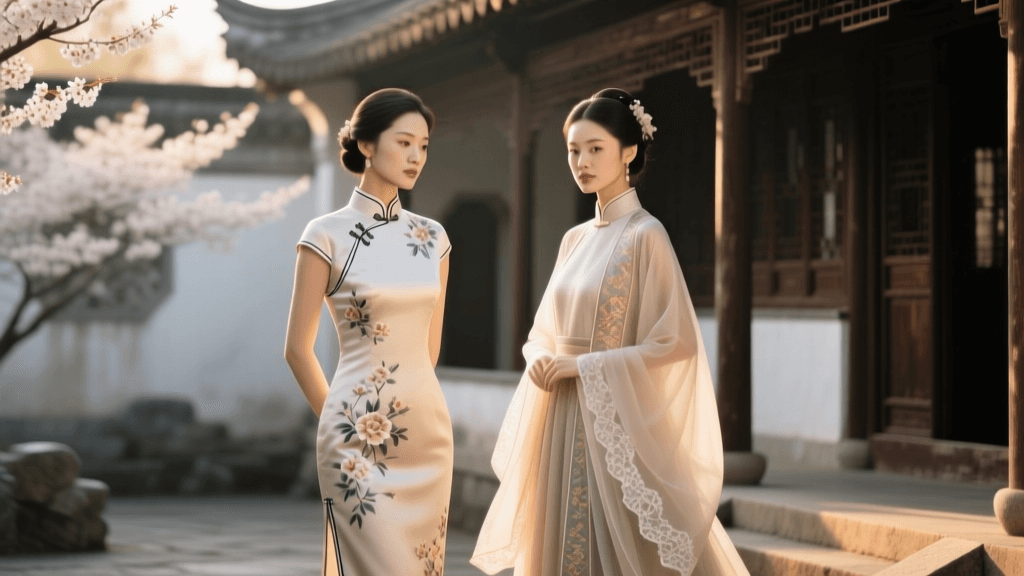
The Qipao, or Cheongsam, offers a stark contrast to the voluminous Qungua. As noted by BBC Culture, the qipao evolved in 1920s Shanghai as a symbol of modern femininity, blending traditional Manchu elements with Western tailoring techniques. Today, the red silk qipao is a staple for Chinese brides, particularly those of Shanghainese descent or those seeking a sleek, form-fitting silhouette for their evening banquet.
Wedding qipaos are typically crafted from rich red silk brocade, velvet, or lace, adorned with floral motifs, cranes, or subtle dragon and phoenix patterns. The high Mandarin collar and asymmetrical front opening (fastened with handmade pankou knot buttons) exude timeless elegance.
Fitting and Measurement Guide
The qipao is unforgiving when it comes to fit. It relies on precise darts and side seams to hug the body's natural curves. When getting measured for a bespoke qipao, expect the tailor to take over 20 distinct measurements, including the hollow-to-hem length, slit height, and the exact circumference of your upper arms and thighs.
- Cost: A high-quality off-the-rack qipao costs between $150 and $400. A bespoke, hand-tailored qipao from a master tailor ranges from $600 to $2,500, depending on the fabric and the complexity of the hand-rolled hems and knots.
- Timeline: Order your bespoke qipao 3 to 4 months in advance. You will need at least two to three in-person fittings to adjust the darts and ensure the slit height is appropriate for sitting and kneeling.
- Fluctuation Warning: Because the fit is so exact, brides are advised to maintain a stable weight in the final two months before the wedding. Many tailors will schedule the final fitting just two weeks before the ceremony to accommodate any last-minute changes.
Qungua vs. Qipao: Ceremonial Comparison Chart
To help you decide which garment aligns best with your wedding day logistics, refer to the comparison table below:
| Feature | Qungua (Dragon Phoenix Jacket) | Qipao (Cheongsam) |
|---|---|---|
| Silhouette | Boxy, structured, two-piece (jacket and A-line skirt) | Form-fitting, one-piece dress with side slits |
| Best For | Traditional Tea Ceremony, ancestral worship | Banquet toasts, cocktail hours, modern receptions |
| Mobility & Kneeling | Excellent; A-line skirt allows easy kneeling on floor mats | Restricted; slits may open too wide when kneeling |
| Purchase Budget | $800 - $10,000+ (based on embroidery density) | $400 - $2,500 (based on fabric and tailoring) |
| Rental Availability | Highly common and cost-effective | Less common; usually purchased or custom-made |
| Lead Time | 6 - 9 months (for hand-embroidered pieces) | 3 - 4 months (for bespoke tailoring) |
Actionable Advice: Navigating the Tea Ceremony
The traditional Chinese tea ceremony is the most critical event requiring traditional attire. During this ritual, the bride and groom kneel on red floor mats to serve tea to their parents and elder relatives, receiving hongbao (red envelopes) and gold jewelry in return. Your choice of attire will heavily influence your comfort during this 45-to-90-minute process.
Kneeling Logistics and Undergarments
If you choose the Qipao, the side slits pose a modesty risk when kneeling. Actionable Tip: Purchase high-waisted, skin-toned seamless shorts to wear underneath. Ensure the slit of your qipao is tailored to end just above the knee rather than mid-thigh to maintain modesty while kneeling on the floor. If you choose the Qungua, the skirt naturally drapes over your knees, but you should still wear skin-toned leggings, as the jacket may ride up when you raise your arms to serve tea.
Jewelry and Accessory Timing
Elders will gift you heavy gold jewelry during the tea ceremony, particularly Longfeng (dragon and phoenix) gold bangles and elaborate necklaces. Actionable Tip: Do not put on your gold bangles before donning your Qungua. The rough edges of the gold clasps and the friction of the metal will easily snag and pull the delicate gold and silver embroidery threads of the jacket. Put the jacket on first, and have your maid of honor or mother clasp the bangles onto your wrists afterward.
For footwear, avoid high heels during the tea ceremony. Opt for traditional red embroidered flats with a padded insole. You will be standing, bowing, and kneeling repeatedly, and the hard floors of banquet halls can be punishing on the feet.
The Emerging Alternative: Ming Dynasty Hanfu
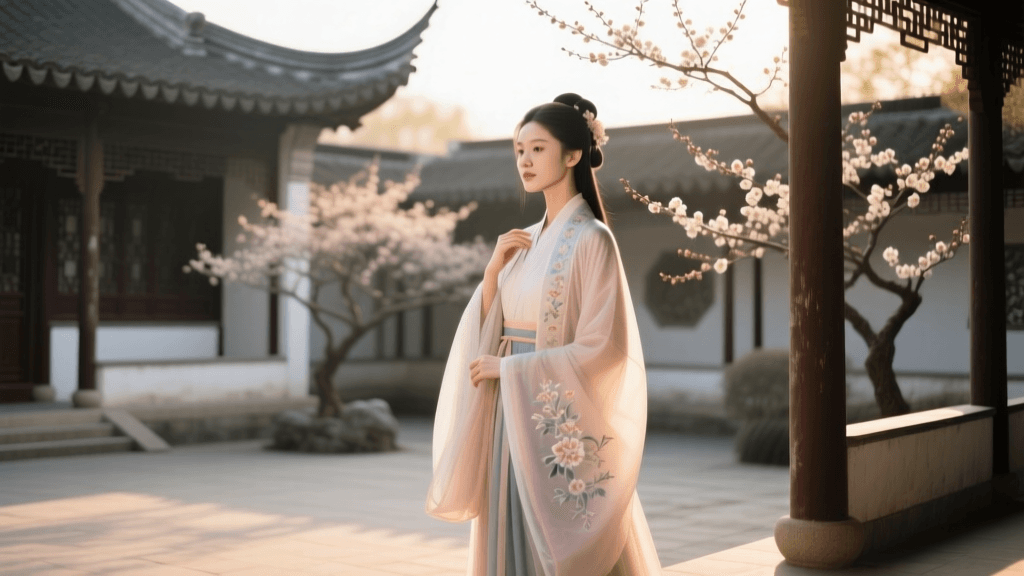
While the Qungua and Qipao dominate the modern wedding landscape, a significant cultural shift is currently underway. According to Reuters, an increasing number of young Chinese couples are turning to historical Hanfu for their wedding ceremonies, specifically the majestic attire of the Ming Dynasty.
The Ming Dynasty bridal ensemble features the Fengguan (Phoenix Crown), an elaborate headdress adorned with kingfisher feathers (or modern silk/thread alternatives), pearls, and gold filigree, paired with the Xiapei (a ceremonial embroidered sash draped over the shoulders) and a voluminous pleated Mamianqun (horse-face skirt). This attire is favored by brides seeking a deeply historical, Han-centric aesthetic that predates the Qing Dynasty's Manchu influences (which gave rise to the Qipao and Qungua). If you are considering Hanfu, be prepared for a heavier headdress and a longer dressing time, often requiring a professional stylist to secure the crown and layer the garments correctly.
Final Thoughts from The Garment Atlas
Choosing between a Qungua and a Qipao—or venturing into the realm of Ming Dynasty Hanfu—is a deeply personal decision that bridges the gap between ancestral reverence and personal style. The Qungua offers unparalleled cultural weight, modesty, and a canvas for breathtaking embroidery, making it the undisputed queen of the tea ceremony. The Qipao, celebrated by institutions like The Metropolitan Museum of Art for its role in the evolution of global fashion, provides a sleek, glamorous silhouette perfect for evening celebrations.
By understanding the specific measurements, budget requirements, and logistical realities of each garment, you can ensure that your wedding attire is not only visually stunning but also comfortable and culturally authentic. Whichever path you choose, you are participating in a living tapestry of Asian traditions that will make your wedding day truly unforgettable.