Hanfu Tourism: The Ultimate Guide to Social Media Travel Styling
The Rise of Hanfu Destination Tourism
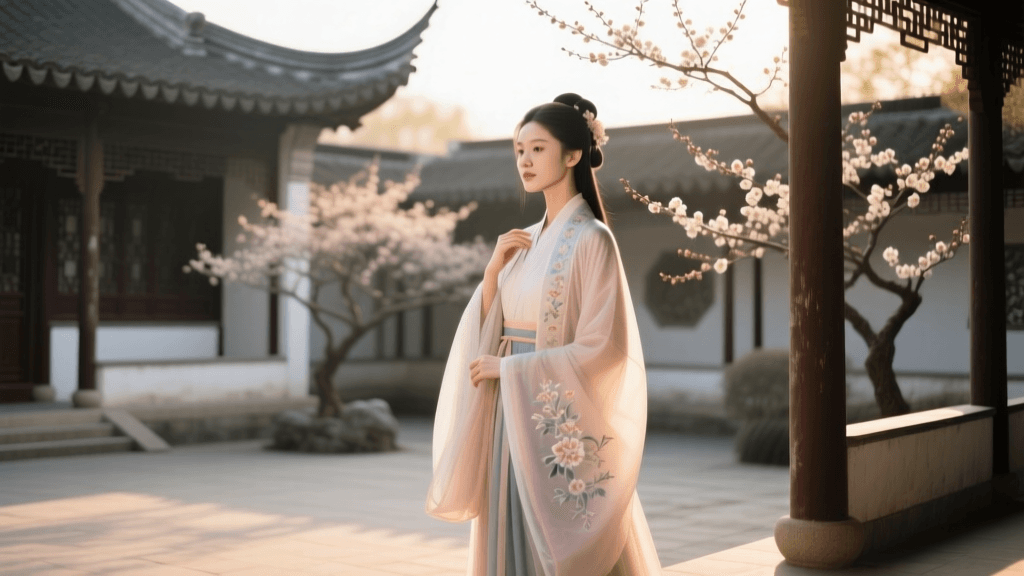
Over the past five years, China has witnessed a monumental cultural renaissance driven by the Hanfu movement. What began as a niche hobby among university students has blossomed into a multi-billion-dollar tourism industry. Today, ancient cities and heritage sites are filled with travelers adorned in traditional Chinese garments, capturing cinematic content for platforms like Douyin, Xiaohongshu (Little Red Book), Instagram, and TikTok. Hanfu destination tourism is no longer just about wearing historical clothing; it is an immersive, highly stylized experience that blends cultural appreciation with modern social media aesthetics.
Cities like Xi'an, Luoyang, and Hangzhou have actively adapted their infrastructure to accommodate this trend, offering dedicated Hanfu streets, themed night markets, and specialized photography studios. For the modern traveler and content creator, planning a Hanfu tourism trip requires a strategic approach to location scouting, garment selection, and logistical preparation. Understanding the historical context of these garments, such as the intricate silk weaving techniques detailed by the Victoria and Albert Museum's Chinese textiles collection, helps travelers choose pieces that not only look stunning on camera but also respect the cultural heritage of the sites they visit.
Choosing the Right Hanfu Style for Your Destination
Matching your Hanfu style to the architectural and historical vibe of your destination is the first rule of viral travel photography. Different dynasties offer distinct silhouettes, color palettes, and moods. The evolution of Chinese dress and silk production, as documented by the Metropolitan Museum of Art, highlights how regional climates and court aesthetics heavily influenced garment construction. Here is a strategic guide to pairing your outfit with the perfect backdrop.
| Destination | Vibe and Aesthetic | Recommended Hanfu Style | Ideal Fabric for Travel |
|---|---|---|---|
| Xi'an (Datang Everbright City) | Opulent, Vibrant, Cosmopolitan | Tang Dynasty Qixiong Ruqun (Chest-high skirt) | Lightweight Chiffon, Organza |
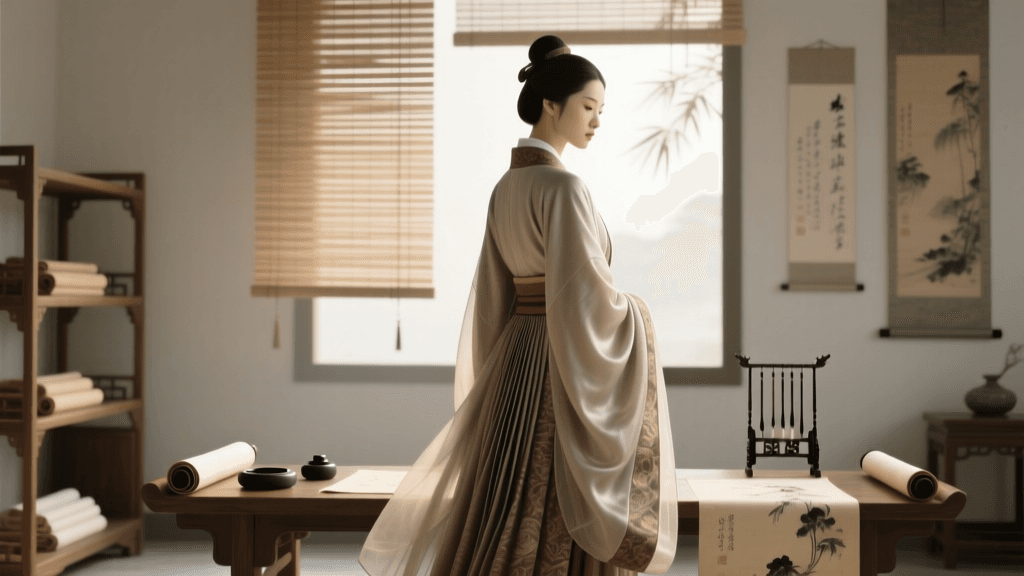
| Hangzhou (West Lake) | Ethereal, Poetic, Minimalist | Song Dynasty Beizi (Long jacket) & Pleated Skirt | Linen-blend, Breathable Cotton |
| Beijing (Forbidden City) | Regal, Structured, Imposing | Ming Dynasty Aoqun & Mamianqun (Horse-face skirt) | Jacquard, Matte Satin |
| Luoyang (Longmen Grottoes) | Spiritual, Ancient, Dramatic | Wei/Jin Dynasty Wide-sleeved Ruqun | Flowy Rayon, Soft Silk Blends |
When visiting the West Lake Cultural Landscape of Hangzhou, a UNESCO World Heritage site, the Song Dynasty Beizi is the ultimate choice. Its slender, elongated silhouette mirrors the weeping willows and serene waters of the lake. Conversely, the imposing red walls of the Forbidden City demand the structured, heavy elegance of a Ming Dynasty Mamianqun, whose trapezoidal pleats create a magnificent sweeping effect when captured in slow-motion video.
Navigating Rentals: Costs, Packages, and Booking
For most travelers, renting is far more practical than purchasing, especially when navigating crowded trains and flights. Major tourist hubs now boast hundreds of Hanfu experience shops (汉服体验馆) offering all-inclusive packages. To find the best shops, download the Dianping (大众点评) app and search for "汉服妆造" (Hanfu makeup and styling). Look for shops with a rating above 4.5 and read the user-uploaded photos to gauge the quality of their garments and makeup artists.
Breakdown of a Standard Tourism Package
- Basic Package (199 - 299 RMB / $28 - $42 USD): Includes a 48-hour Hanfu rental, professional historical makeup, and basic hair styling with synthetic hairpieces and floral accessories.
- Premium Package (399 - 599 RMB / $55 - $85 USD): Upgrades to high-end, branded Hanfu (e.g., Shisanyu or Zhongling), intricate hand-beaded hair accessories, and premium false lashes.
- Photography Add-on (399 - 899 RMB / $55 - $125 USD): A dedicated photographer for 1 to 2 hours, including location scouting, posing direction, and 15-30 retouched digital images delivered within 48 hours.
Actionable Tip: Always measure your natural waist to the ankle bone before arriving at the shop. A standard Mamianqun length is usually 95cm to 105cm. If the skirt is too long, you will trip on ancient stone thresholds; if it is too short, it ruins the historical proportion and exposes modern footwear.
Social Media Photography: Timing, Posing, and Props
Creating viral content requires more than just a beautiful outfit; it requires mastering the interplay of light, architecture, and movement. Douyin and Xiaohongshu algorithms heavily favor dynamic, cinematic storytelling over static poses.
Timing and Lighting
Avoid the harsh midday sun, which washes out the intricate embroidery and creates unflattering shadows under traditional hairpieces. The golden hour—roughly 6:00 AM to 8:00 AM in the summer, or 4:30 PM to 6:00 PM in the winter—is crucial. Early morning shoots at popular sites like the Forbidden City or Xi'an's City Wall also allow you to bypass the massive crowds, giving you clean, unobstructed backgrounds for your wide-angle shots.
Camera Settings and Lenses
- The Ultrawide (12mm - 16mm): Essential for capturing the sweeping architecture of pagodas and palace courtyards. Place the subject in the lower third of the frame, shooting slightly upward to elongate the Hanfu silhouette against the towering eaves.
- The Portrait Lens (50mm - 85mm): Use this for intimate, detail-oriented shots. Focus on the texture of the jacquard weave, the delicate pearl makeup, or the hands holding a prop. Shoot at f/1.8 to blur the background and isolate the subject.
- Video Settings: Shoot in 4K at 60fps. This allows you to slow the footage down to 24fps in post-production, creating that buttery, ethereal slow-motion effect when the wide sleeves catch the wind.
Essential Props for Dynamic Posing
Static posing often looks unnatural in Hanfu. Props give your hands something to do and create natural movement. Invest in or rent an oil-paper umbrella (油纸伞) for rainy days in Jiangnan, a round silk fan (团扇) for Tang Dynasty aesthetics, or a glowing bamboo lantern for night shoots in Datang Everbright City. When walking, use the "follow-cam" technique: have your photographer walk backward while you walk forward, gently swaying the skirt and looking off-camera.
Hair, Makeup, and Historical Accuracy
The makeup and hair are just as important as the garment. A common mistake tourists make is pairing a Tang Dynasty outfit with modern, minimalist makeup. To achieve an authentic, camera-ready look, request dynasty-specific styling from your makeup artist.
- Tang Dynasty: Characterized by bold, expressive features. Request the huadian (花钿), a floral appliqué or painted motif on the forehead, and heavy, sweeping eyebrows. The color palette should feature rich crimsons, golds, and deep greens.
- Song Dynasty: The epitome of understated elegance. Opt for a "no-makeup" makeup look with soft peach tones, subtle highlighter, and the iconic pearl accents (珍珠妆) placed on the dimples and temples, popularized by historical dramas and elite Song court women.
- Ming Dynasty: Regal and refined. The hair is usually styled in a structured updo using a diji (狄髻) wire frame, adorned with gold and jade hairpins. The makeup features sharp, defined eyeliner and deep, matte red lips to contrast with the high-collared garments.
Practical Travel Hacks and Fabric Care
Traveling in traditional garments presents unique logistical challenges. Ancient Chinese cities were not designed for modern comfort, and the elements can quickly ruin a meticulously planned shoot.
Footwear and Mobility
Never wear high heels with Hanfu. The hems of the skirts will hide your feet anyway. Instead, invest in a pair of traditional embroidered flat shoes (绣花鞋) or wear comfortable, neutral-colored sneakers. If you are wearing a Ming Dynasty Mamianqun, wear tight, anti-chafing biker shorts underneath. The skirt consists of two overlapping panels, and a strong gust of wind or a high step up a temple staircase can easily expose your legs.
Wrinkle Management on the Go
Many rental Hanfu pieces are made from polyester blends to withstand frequent washing, but they arrive heavily wrinkled. Do not rely on the hotel iron, as high heat will melt synthetic jacquard weaves. Bring a portable, handheld garment steamer. If you are traveling light, pack a small bottle of fabric wrinkle-release spray and a damp towel. Hang the garment in the bathroom while you take a hot shower; the ambient steam will relax the pleats.
Weather Contingencies
Always check the local weather and air quality index (AQI) before your shoot. In cities like Xi'an and Beijing, sudden dust storms or high humidity can make heavy, multi-layered Hanfu unbearable. If the weather turns, pivot to indoor locations. Many Hanfu studios have built-in tea houses, or you can book a private room in a traditional courtyard restaurant to continue your content creation in a climate-controlled, aesthetically pleasing environment.
Ultimately, Hanfu destination tourism is a beautiful intersection of history, fashion, and digital storytelling. By respecting the historical context of the garments, preparing for the physical demands of the locations, and mastering the technical aspects of social media photography, you can create a travel portfolio that is not only visually stunning but deeply rooted in the rich tapestry of Asian traditions.