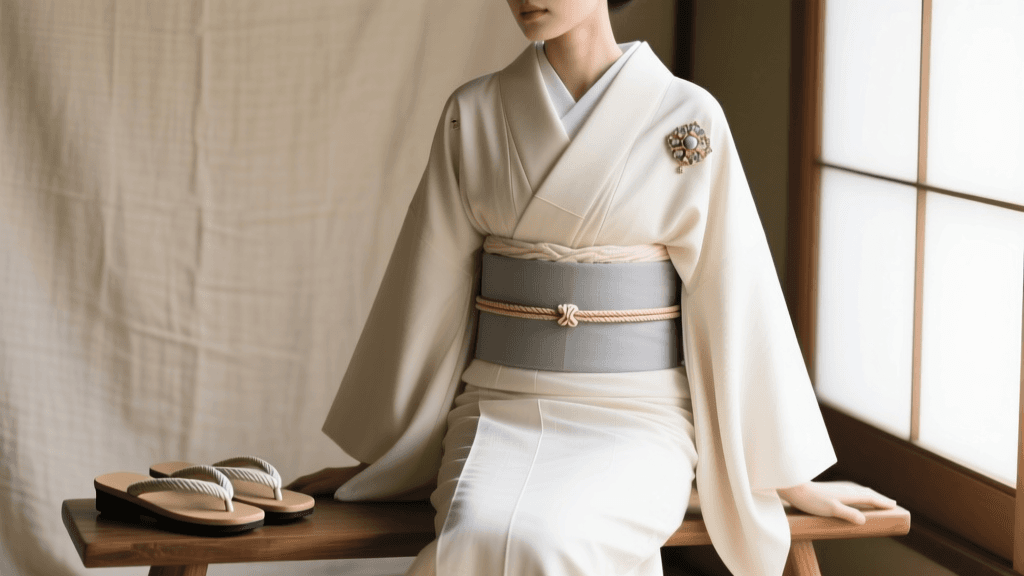
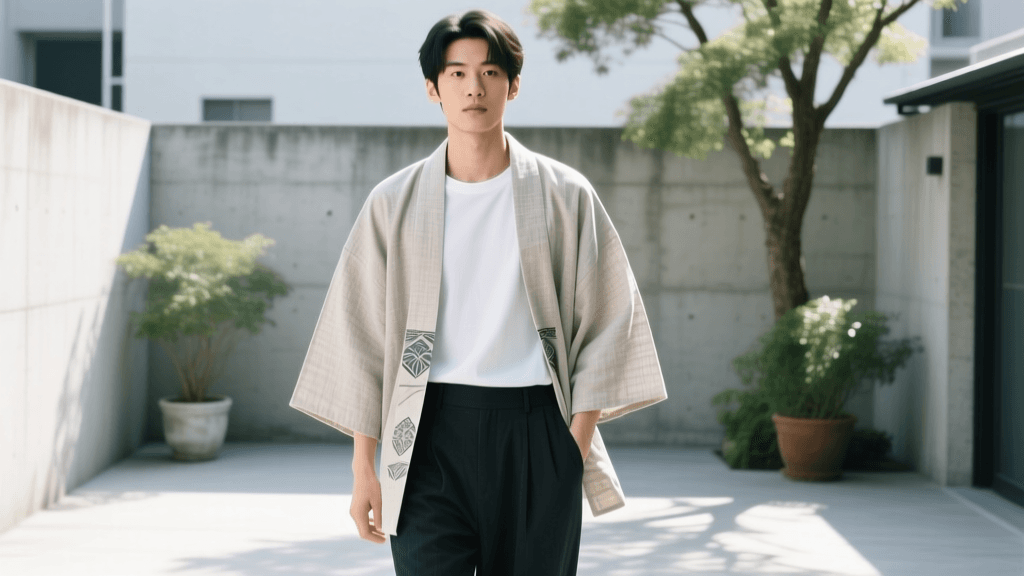
New Chinese Style Office Wear: A Xin Zhongshi Wardrobe Guide
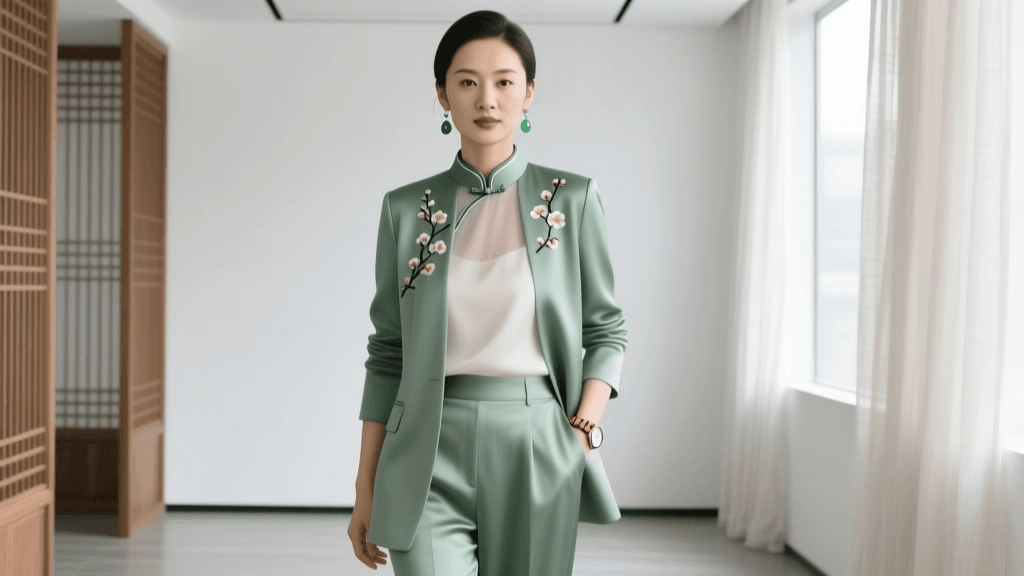
The Rise of Xin Zhongshi in the Professional Sphere
The fashion landscape in Asia has undergone a massive transformation over the last few years, spearheaded by the viral explosion of Xin Zhongshi (New Chinese Style). What began as a niche interest among Hanfu enthusiasts on Douyin and TikTok has rapidly evolved into a mainstream sartorial movement. While early iterations of the trend were often reserved for weekend streetwear, tea house visits, or travel photography, a sophisticated, tailored subset of Xin Zhongshi has now firmly entered the corporate world. For the modern professional, integrating traditional Chinese aesthetics into a 9-to-5 wardrobe requires a delicate balance of heritage and practicality.
According to fashion industry analysts covering the Asian market, the shift toward New Chinese Style office wear is driven by a younger demographic's desire for cultural confidence without sacrificing modern convenience. The result is a hybrid aesthetic: garments that utilize traditional silhouettes, motifs, and fastenings, but are constructed with modern textiles, hidden zippers, and structured tailoring suitable for boardrooms, client meetings, and daily commutes.
Core Garments for the Xin Zhongshi Office Wardrobe
Building a professional New Chinese Style wardrobe does not require purchasing full, historically accurate Hanfu sets. Instead, it relies on modular, mix-and-match pieces that pair seamlessly with contemporary Western staples like blazers, button-downs, and loafers.
The Modern Mamianqun (Horse-Face Skirt)
The Mamianqun, historically characterized by its flat front and back panels with pleated sides, is arguably the most successful traditional garment to cross over into everyday modern wear. For the office, the traditional floor-length silk skirt is impractical. Instead, look for midi-length iterations measuring between 75cm and 85cm from the waist. This length hits just below the knee or mid-calf, maintaining modesty and professionalism while allowing for ease of movement.
When sourcing a Mamianqun for work, prioritize acetate or polyester-jacquard blends. Pure silk wrinkles easily and requires high maintenance, whereas modern jacquard weaves offer the same intricate, raised patterns (such as auspicious clouds, bamboo, or plum blossoms) with the added benefits of stain resistance and machine washability. Look for skirts with integrated side pockets and a structured waistband that sits comfortably at the natural waist without gaping.
The Duijin Blouse with Pan-kou Fastenings
The Duijin (front-opening) shirt is a versatile layering piece. In the context of Xin Zhongshi office wear, these blouses are typically tailored with a relaxed but structured fit, featuring a mandarin collar or a soft rounded neckline. The defining feature is the use of Pan-kou (traditional frog buttons) as functional or decorative fastenings.
For a corporate environment, opt for Duijin blouses made from matte crepe, cotton-linen blends, or lightweight Tencel. Avoid overly sheer fabrics or excessive embroidery, which can look too festive or casual. A solid-colored blouse in ink black, celadon, or pearl white with subtle tonal Pan-kou details pairs beautifully with a high-waisted Mamianqun or modern wide-leg trousers.
Xiangyunsha Vests and Blazers
For outerwear, designers are increasingly utilizing Xiangyunsha (gambiered Canton gauze). This heritage fabric is dyed using natural plant juices and mud, resulting in a unique, slightly stiff texture with a rich, dark patina that crackles beautifully over time. Historically reserved for warm weather due to its incredible breathability and natural antimicrobial properties, Xiangyunsha is now being tailored into sleeveless office vests and lightweight summer blazers.
A Xiangyunsha vest worn over a crisp white poplin shirt instantly elevates a standard office outfit, providing a sharp, intellectual silhouette that commands respect while honoring centuries of textile craftsmanship.
Comparison Chart: Traditional vs. New Chinese Office Wear
Understanding the functional differences between historical garments and their modern office-ready counterparts is crucial for building a practical wardrobe.
| Feature | Traditional Hanfu | Xin Zhongshi Office Wear |
|---|---|---|
| Silhouette | Flowing, wide sleeves, floor-length | Tailored, structured, midi-length |
| Fastenings | Fabric ties, complex layering, sashes | Hidden zippers, snaps, Pan-kou buttons |
| Fabric | Pure mulberry silk, raw linen | Acetate, jacquard, Tencel, cotton-blends |
| Price Range | $150 - $500+ USD | $40 - $150 USD |
| Maintenance | Dry clean only, delicate hand wash | Machine wash (gentle cycle), low iron |
| Styling Time | 15 - 30 minutes (with accessories) | 2 - 5 minutes (slip-on / zip-up) |
Color Theory and Office Appropriateness
Color plays a vital role in adapting Xin Zhongshi for the workplace. While festival wear often features vibrant reds, bright golds, and high-contrast embroidery, office wear demands a more subdued, sophisticated palette rooted in traditional Chinese color theory.
- Celadon (Qingci): A pale, grey-green that conveys calmness and intellect. It pairs exceptionally well with charcoal grey and navy blue modern office staples.
- Ink Black (Xuanmo): A deep, matte black that serves as a versatile neutral, often used in Xiangyunsha garments or as a base for subtle jacquard patterns.
- Muted Gold (Liujin): Rather than bright yellow, opt for antique gold or bronze tones woven into the fabric, which catch the light subtly in office lighting without appearing ostentatious.
- Jade White (Baizhi): A warm, off-white or cream tone that is less harsh than pure optical white, providing a softer contrast against traditional dark skirts.
Practical Sourcing and Budget Guide
Sourcing authentic, high-quality Xin Zhongshi office wear requires knowing where to look and which search terms to use. Platforms like Taobao, Tmall, and specialized independent boutiques are the primary sources. When searching, use the Chinese keywords '新中式 通勤' (Xin Zhongshi Commuter/Office) or '新中式 职场' (Xin Zhongshi Workplace) to filter out overly theatrical or casual streetwear pieces.
For a complete office outfit, expect to spend between $60 and $120 USD. A high-quality polyester-jacquard Mamianqun typically costs between $35 and $60, while a well-tailored Duijin blouse ranges from $25 to $50. Invest more heavily in outerwear; a genuine Xiangyunsha vest or blazer can cost upwards of $150 to $300 due to the labor-intensive, multi-step natural dyeing process, but it will last for decades and develop a richer patina with age.
Fabric Care and Maintenance
To maintain the professional appearance of your New Chinese Style garments, proper care is essential. Jacquard skirts should be washed on a gentle cycle in a mesh laundry bag to prevent the raised threads from snagging. Never wring out a Mamianqun; instead, hang it wet in the shade to allow the weight of the water to naturally pull the pleats straight. For Pan-kou blouses, avoid using harsh bleach, which can degrade the delicate fabric loops and knots. If you own Xiangyunsha, avoid prolonged exposure to direct, harsh sunlight when storing, as the natural mud-dye can fade unevenly over time. Store it in a breathable cotton garment bag to preserve its unique texture.
Conclusion
The integration of Xin Zhongshi into the professional wardrobe is more than a fleeting trend; it is a thoughtful reclamation of cultural heritage adapted for the demands of modern life. By focusing on tailored silhouettes, practical fabrics, and sophisticated color palettes, professionals can cultivate a unique, authoritative personal style that honors Asian traditions while commanding respect in any global corporate environment.