Top Hanfu Styles for Qigong and Meditation in 2026
The Somatic Connection Between Hanfu and Chinese Wellness
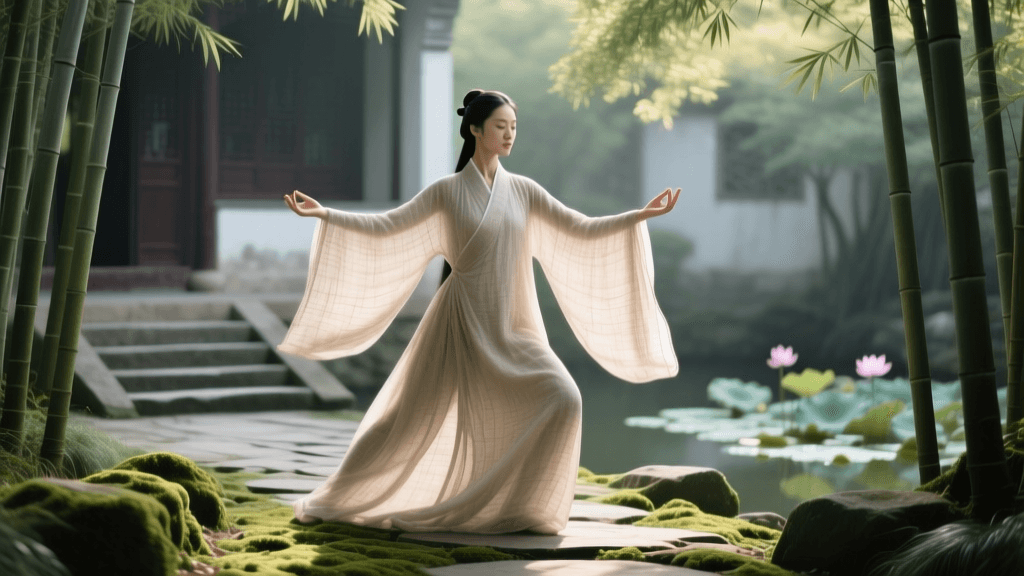
As the global wellness industry continues to evolve in 2026, practitioners are increasingly looking beyond mere physical exercise to embrace the holistic roots of traditional Chinese medicine (TCM). At the intersection of mindfulness and material culture lies a profound, often overlooked element: the garments we wear during practice. For centuries, Daoist monks, martial artists, and scholars have utilized traditional Chinese clothing—collectively known today as Hanfu—not merely as cultural dress, but as somatic tools to facilitate the flow of Qi (vital energy) during Qigong and meditation.
Unlike modern athletic wear, which relies on synthetic compression and elastic polymers to support muscles, traditional Hanfu is engineered around the concept of pingmian caizhi (flat-plane cutting). This technique avoids darts, tight seams, and restrictive tailoring, allowing the body’s meridian lines to remain completely uncompressed. According to the National Center for Complementary and Integrative Health, practices like Qigong and Tai Chi rely on gentle, flowing movements and deep diaphragmatic breathing. When your clothing restricts the expansion of the ribcage or compresses the inguinal crease (kua), the physical mechanics of these ancient practices are fundamentally hindered.
In 2026, the resurgence of Hanfu within the wellness community has sparked a demand for historically accurate, naturally dyed, and breathable garments specifically tailored for meditation retreats and daily Qigong routines. This guide explores the best Hanfu silhouettes, fabric technologies, and mindful dressing rituals to elevate your wellness practice this year.
Fabric Science: Ramie, Silk, and Hemp in 2026
The foundation of any wellness garment is its textile. In traditional Chinese philosophy, the skin is considered the third lung, responsible for micro-respiration and the exchange of environmental energy. Synthetic fabrics like polyester or nylon trap heat and moisture, creating a stagnant microclimate that disrupts the body's thermoregulation during active Qigong or deep, heat-generating meditation (Neidan).
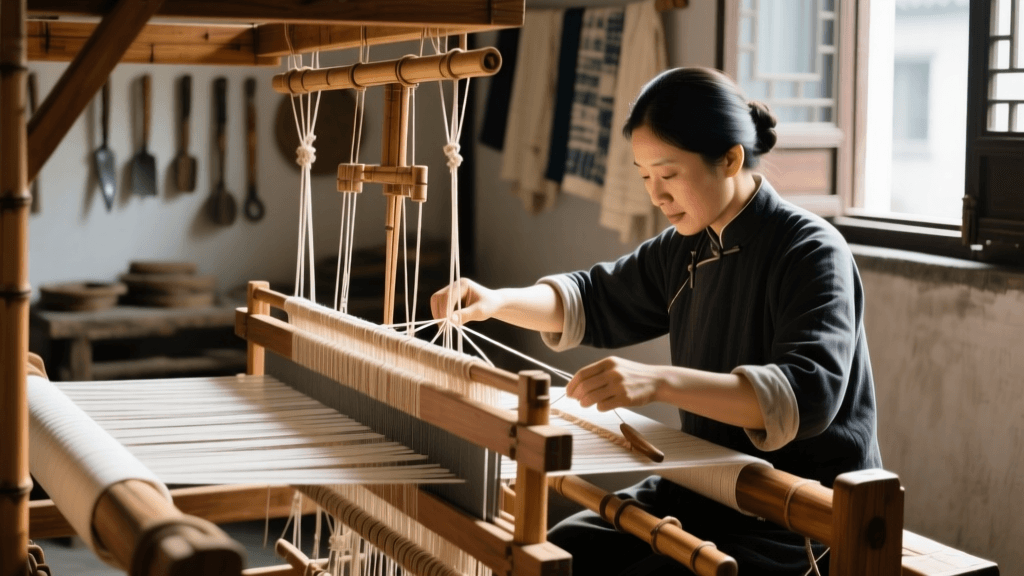
Today’s premium Hanfu makers are returning to heritage fibers, utilizing advanced 2026 eco-processing methods to soften traditional materials without chemical baths. Here is how the top three natural fibers compare for wellness practitioners:
| Fabric Type | Breathability | Drape & Weight | Best Practice Application | 2026 Avg. Garment Cost |
|---|---|---|---|---|
| Ramie (Xia Bu) | Exceptional (Highly porous) | Crisp, structured, lightweight | Active Qigong, Summer Ba Duan Jin | $140 - $280 USD |
| Mulberry Silk | High (Temperature regulating) | Fluid, heavy, luxurious | Seated Meditation, Yin Yoga | $220 - $450 USD |
| Organic Hemp | Moderate to High | Durable, slightly textured | Standing Meditation (Zhan Zhuang) | $110 - $250 USD |
| Bamboo Linen Blend | High (Moisture-wicking) | Soft, flowing, medium weight | Transitional Seasons, Tai Chi | $130 - $260 USD |
Ramie, often referred to as "Chinese linen," is the undisputed champion for active Qigong in warm climates. Its natural antibacterial properties and hollow fiber structure allow for rapid sweat evaporation. Mulberry silk, rich in amino acids, is preferred for seated meditation in cooler environments, as it naturally regulates body temperature and provides a grounding, weighted drape that helps anchor the practitioner's focus.
Top Hanfu Silhouettes for Movement and Stillness
Selecting the correct historical silhouette is crucial, as different Hanfu styles were designed for varying degrees of mobility and social function. For modern wellness practices, three specific styles dominate the 2026 market.
1. The Song Dynasty Daopao (Daoist Robe)
The Daopao is a full-length, cross-collared robe with wide sleeves and prominent side slits. Historically worn by scholars and Daoist adepts, it is the quintessential garment for Zhan Zhuang (standing like a tree meditation). The side slits allow the practitioner to adopt deep, wide stances without the fabric pulling at the knees or hips. The wide sleeves, while seemingly cumbersome, actually serve a purpose in Qigong: they provide visual feedback for the alignment of the arms and wrists, ensuring that the joints remain relaxed and the Qi pathways to the fingertips remain open.
2. Ming Dynasty Yesa (Tunic) for Active Qigong
For dynamic practices like the Eight Brocades (Ba Duan Jin) or the Five Animals Play (Wu Qin Xi), the Ming Dynasty Yesa is unparalleled. The Yesa features a pleated lower skirt attached to a fitted upper tunic, with narrower sleeves than the Daopao. The pleats provide incredible freedom of movement for high kicks, deep lunges, and spinal twists, while the structured waistband offers gentle core support without compressing the diaphragm. In 2026, many wellness retreats in Hangzhou have adopted the hemp-blend Yesa as their standard uniform for morning movement sessions.
3. Wei-Jin Era Wide-Sleeve Ruqun for Seated Meditation
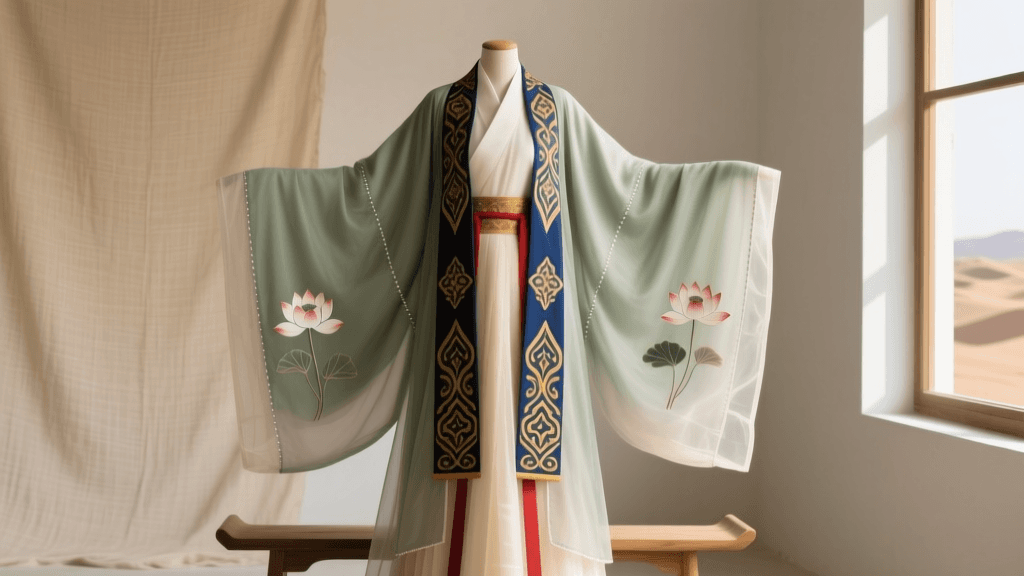
When transitioning to seated Lotus or Half-Lotus meditation, the Wei-Jin era Jiaoling Ruqun (cross-collar top and flowing wrap skirt) offers supreme comfort. The high-waisted skirt sits above the navel (the Dan Tian), secured by a wide, soft fabric sash rather than a tight belt. This prevents any restriction of blood flow to the legs during long sitting periods. The voluminous sleeves drape elegantly over the hands when resting in the cosmic mudra (Taiji Yin), creating a closed energetic circuit that practitioners report helps maintain internal heat and focus.
Sourcing Authentic, Eco-Dyed Wellness Hanfu
The 2026 Hanfu market has seen a massive shift toward sustainable, plant-based dyeing methods, aligning perfectly with the TCM principle of living in harmony with nature. Synthetic dyes can cause contact dermatitis and disrupt the skin's microbiome, which is counterproductive to wellness. When sourcing your practice garments, look for ateliers that utilize traditional botanical dyes:
- Indigo (Lan Cao): Known in TCM for its cooling and detoxifying properties, ideal for summer Qigong garments.
- Madder Root (Qian Cao): Produces deep reds and is traditionally associated with blood circulation and vitality.
- Tea and Pomegranate Rind: Yields earthy browns and yellows, offering natural UV resistance and a grounding, earthy aesthetic for outdoor meditation.
When purchasing online or from boutique makers in 2026, always verify the fiber content. Many mass-market "Hanfu" brands still use polyester chiffon. Seek out certified organic hemp or pure ramie from specialized wellness-focused tailors who understand the specific measurements required for a full range of martial and meditative motion.
The Mindful Dressing Ritual: Integrating Garment and Intent
As noted by experts in mindfulness at Harvard Health Publishing, the transition from daily stress to a meditative state requires intentional rituals to signal the brain that it is time to focus. In 2026, wellness coaches are integrating the physical act of putting on Hanfu as the first step of the Qigong routine.
Begin by laying your garment flat. As you slip your arms into the sleeves, visualize shedding the external anxieties of the modern world. The crossing of the collar (always left over right for the living) represents the balance of Yin and Yang. Finally, the tying of the sash is a grounding exercise: wrap the fabric around your waist, pull it taut to engage your core, and tie it with a mindful, deliberate knot. This physical boundary marks the beginning of your sacred practice space.
Conclusion
The integration of Hanfu into Qigong and meditation is far more than an aesthetic choice; it is a return to the embodied wisdom of traditional Chinese culture. By selecting the appropriate heritage fabrics like ramie and silk, and choosing silhouettes that honor the body's natural meridian lines, practitioners in 2026 can deepen their mind-body connection. Whether you are flowing through the Eight Brocades in a Ming-style Yesa or sitting in silent Neidan meditation wrapped in a Song Dynasty Daopao, the right garment becomes an extension of your breath, your movement, and your Qi. For further reading on the heritage of these movement arts, the UNESCO Intangible Cultural Heritage registry on Taijiquan provides excellent context on the philosophical foundations that inform both the movement and the traditional attire worn by its masters.