Top Hanfu Styles for Qigong and Meditation in 2026
The Intersection of Hanfu and Mindful Movement
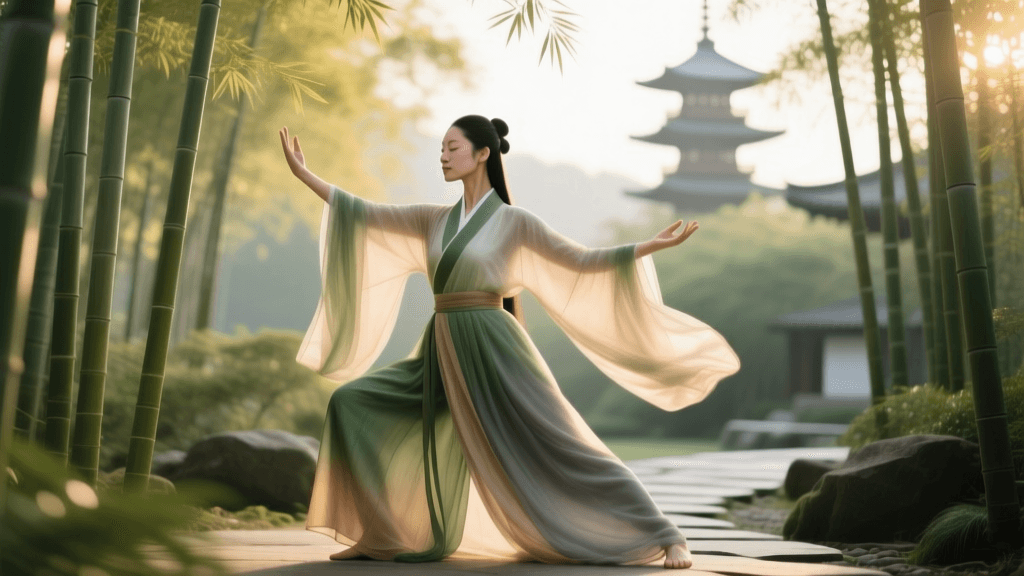
In 2026, the global wellness industry has witnessed a profound paradigm shift, moving beyond mere physical exercise to embrace holistic, culturally rooted practices. At the forefront of this movement is the integration of traditional Hanfu garments into Qigong, Tai Chi, and seated meditation routines. No longer reserved solely for historical reenactments or photography, Hanfu has evolved into a functional, therapeutic tool for modern practitioners. The architectural brilliance of traditional Chinese clothing offers unique biomechanical and energetic benefits that modern activewear simply cannot replicate.
According to the National Qigong Association, Qigong is a mind-body-spirit practice that improves one's mental and physical health by integrating posture, movement, breathing technique, self-massage, sound, and focused intent. When practitioners don traditional Hanfu, they are not just wearing a piece of history; they are engaging with a garment system specifically engineered over millennia to facilitate the unobstructed flow of Qi (vital energy) through the body's meridian networks.
Why Garment Architecture Matters in Qigong
Modern compression wear and synthetic yoga pants, while popular in Western fitness circles, often restrict the subtle micro-movements and deep diaphragmatic breathing required in advanced Qigong and Zazen meditation. Hanfu, conversely, is designed around the principles of negative space and fluid drape. This allows the garment to move with the practitioner, creating a 'second skin' that encourages relaxation rather than constriction.
The Role of the Cross-Collar (Jiaoling Youren)
The iconic cross-collar of Hanfu, which always wraps left over right (Jiaoling Youren), serves a distinct physiological purpose during meditation and standing postures (Zhan Zhuang). The overlapping layers provide gentle, structured support to the cervical spine and upper chest without the rigidity of a modern collar. Furthermore, the cross-collar naturally protects the Dantian (the body's energetic center located just below the navel) and the Mingmen (the gate of life on the lower back) from cold drafts, a crucial consideration for practitioners engaging in outdoor morning Qigong sessions in varying climates.
Sleeve Dynamics and Qi Flow
In the Ba Duan Jin (Eight Brocades) Qigong sequence, movements such as 'Two Hands Hold up the Heavens' require full extension of the arms and shoulders. The wide, unstructured sleeves of traditional Hanfu—particularly the Guangxiu (broad sleeves) found in Song and Ming dynasty styles—allow for complete scapular retraction and shoulder joint articulation. As the arms extend, the heavy drape of the fabric provides a gentle, downward proprioceptive feedback, helping practitioners maintain groundedness and root their energy into the earth even while reaching upward.
Top Fabrics for Meditation and Qigong in 2026
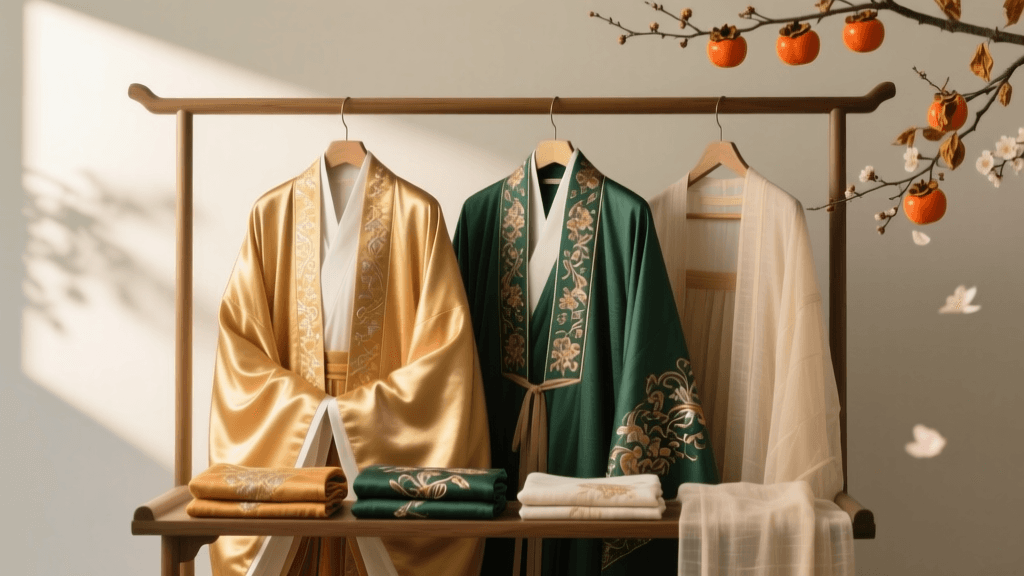
The textile industry has seen remarkable advancements in sustainable, natural fiber processing by 2026. For wellness practitioners, the choice of fabric is paramount. Synthetic materials trap heat and disrupt the body's natural thermoregulation during deep meditation, whereas natural fibers breathe and adapt to the body's shifting temperature. Below is a comprehensive guide to the most highly recommended Hanfu fabrics for mindful movement this year.
| Fabric Type | Weight & Drape | Breathability | Best Practice Application |
|---|---|---|---|
| Summer Ramie (Xia Bu) | Lightweight, structured, slightly crisp | Exceptional | Active Qigong, outdoor summer Tai Chi, dynamic movement |
| Mulberry Silk (Sichou) | Medium weight, fluid, heavy drape | High (temperature regulating) | Seated meditation, indoor Yin Yoga, restorative Qigong |
| Organic Cotton-Linen | Medium-heavy, soft, matte finish | Very High | Daily practice, Zhan Zhuang (standing meditation), travel |
| Bamboo-Hemp Blend | Lightweight, highly flexible, soft | Superior moisture-wicking | Intensive retreats, hot climate Qigong, sweat-inducing forms |
In 2026, artisanal weavers in Jiangxi and Zhejiang provinces have perfected the Bamboo-Hemp blend, creating a textile that offers the antimicrobial properties of bamboo with the structural durability of hemp. This has become the gold standard for practitioners attending intensive, multi-day wellness retreats in the Wudang Mountains.
Recommended Hanfu Silhouettes for Mindful Practices
Not all Hanfu styles are suited for physical cultivation. Highly formal garments with heavy embroidery, restrictive waistbands, or complex layering are best reserved for ceremonies. For Qigong and meditation, practitioners should look to the literati and Taoist traditions for inspiration.
Song Dynasty Beizi (Long Outer Jacket)
The Song Dynasty Beizi is a masterclass in minimalist design. Characterized by its straight, vertical lines, side slits extending up to the armpit, and parallel collars, the Beizi promotes a sense of downward energy flow. The verticality of the garment visually and physically encourages spinal alignment, making it an excellent choice for seated Chan (Zen) meditation. The side slits ensure that when sitting cross-legged in the lotus or half-lotus position, the fabric pools elegantly around the practitioner without bunching up or restricting blood flow to the legs.
Ming Dynasty Daopao (Taoist Robe)
The Daopao, often translated as the Taoist robe, is the quintessential garment for internal alchemy and deep meditative states. Featuring a wide hem, voluminous sleeves, and hidden side panels that prevent the front from falling open, the Daopao creates a microclimate around the body. Harvard Medical School notes that maintaining a relaxed, warm physical state is critical for the parasympathetic nervous system activation required in deep meditative practices. The Daopao's enveloping structure provides this warmth while allowing total freedom of movement for the limbs.
Sourcing Authentic Wellness Hanfu in 2026
As the demand for functional traditional wear has surged in 2026, the market has responded with specialized 'Wellness Hanfu' lines. When sourcing garments for your practice, prioritize the following criteria:
- Natural Dyes: Seek out garments dyed with plant-based materials like indigo, madder root, or tea. These dyes are not only eco-friendly but are believed in Traditional Chinese Medicine (TCM) to possess calming, grounding properties that synthetic chemical dyes lack.
- Flat-Felled Seams: High-quality wellness Hanfu will feature flat-felled interior seams. This prevents chafing during repetitive Qigong movements and ensures the garment lies flat against the skin, avoiding irritation on acupuncture meridians.
- Adjustable Ties: Avoid modern zippers or buttons. Traditional fabric ties allow the practitioner to adjust the fit based on their breathing capacity and the natural expansion of the ribcage during deep diaphragmatic breathing exercises.
Conclusion
The integration of Hanfu into Qigong and meditation is far more than an aesthetic choice; it is a return to a holistic understanding of the human body and its energetic landscape. By selecting the appropriate fabrics, cuts, and silhouettes, practitioners in 2026 can deepen their mind-body connection, honor centuries of textile craftsmanship, and experience the profound physical benefits of traditional Chinese wellness practices. Whether you are practicing the Ba Duan Jin at sunrise or sitting in silent meditation, the right Hanfu acts as a bridge between the physical and the spiritual, enhancing every breath and every movement.