Complete Hanfu Storage Rotation & Care Guide 2026
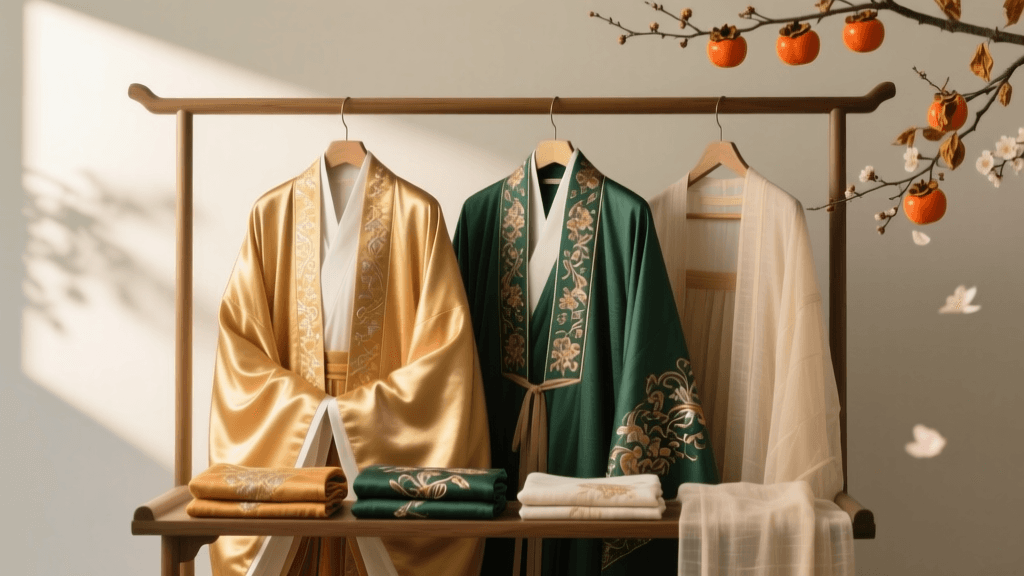
The 2026 Hanfu Wardrobe Rotation Strategy
As the Xin Zhongshi (New Chinese Style) movement continues to dominate global fashion in 2026, the modern Hanfu enthusiast’s wardrobe is more expansive than ever. What was once a niche hobby has evolved into a comprehensive lifestyle, with collectors owning dozens of garments ranging from lightweight summer Ruqun to heavy, intricately woven winter Mamianqun. However, owning traditional Asian garments is only half the journey; preserving them requires a meticulous approach to seasonal rotation and textile maintenance.
Unlike modern synthetic fast-fashion, traditional Hanfu relies heavily on natural fibers—mulberry silk, raw linen, hemp, and delicate metallic brocades. These organic materials are deeply reactive to environmental shifts. As we transition through the 2026 climate cycles, improper storage can lead to irreversible damage, including shattered silk, oxidized metallic threads, and permanent pleat distortion. According to guidelines established by the Metropolitan Museum of Art's Textile Conservation Department, protein-based fibers like silk require highly specific humidity and pH-neutral environments to prevent structural degradation over time.
This comprehensive guide outlines the exact protocols for rotating, cleaning, and storing your Hanfu collection in 2026, ensuring your garments remain pristine for generations.
Seasonal Fabric Rotation Chart
A successful rotation strategy hinges on understanding the relationship between fabric weight, weave structure, and seasonal humidity. Below is the recommended 2026 rotation schedule for standard Hanfu silhouettes.
| Season | Primary Garments | Common Fabrics | Storage Method | Ideal Humidity (RH) |
|---|---|---|---|---|
| Spring / Summer | Ruqun, Beizi, Banbi | Raw Silk, Linen, Gauze (Luo/Sha) | Hanging (Padded Hangers) | 45% - 50% |
| Autumn / Winter | Mamianqun, Aoqun, Pifeng | Brocade, Wool-Blend, Heavy Silk | Flat Folding (Acid-Free Tissue) | 40% - 45% |
| Year-Round (Formal) | Ceremonial Da Shan | Gold-thread Brocade, Heavy Embroidery | Archival Flat Box | 45% (Strict Control) |
Pre-Storage Cleaning Protocols for Natural Fibers
Never store a worn Hanfu garment without proper cleaning. Human sweat, skin oils, and environmental pollutants act as acidic catalysts that will slowly eat through silk and linen fibers, leading to yellowing and fabric shattering. In 2026, the standard for at-home textile care has shifted heavily toward eco-friendly, enzyme-free solutions.
Washing Silk and Gauze
For delicate silk Shangyi (tops) and gauze skirts, avoid standard alkaline detergents. Use a pH-neutral, lanolin-based delicate wash such as Eucalan. Fill a clean basin with cool water (never exceeding 20°C or 68°F), submerge the garment, and gently agitate for no more than three minutes. Do not wring or twist the fabric. Instead, roll the garment in a clean, dry cotton towel to press out excess moisture, then lay it flat on a mesh drying rack away from direct sunlight.
Caring for Brocade and Metallic Threads
Garments featuring Zhijin (woven gold) or intricate embroidery should rarely be submerged in water. The metallic threads, often wrapped around a silk or cotton core, can tarnish or snap when wet. For these pieces, utilize a specialized textile steamer to refresh the fibers and eliminate odors. If a stain occurs on a brocade Mamianqun, consult a professional textile conservator rather than attempting spot treatments, which can cause water-ringing on the dense weave.
Structural Preservation: Hanging vs. Folding
The decision to hang or fold a Hanfu garment is dictated by its structural weight and weave. The American Institute for Conservation consistently advises that heavy garments should never be hung for long-term storage, as the gravitational pull will distort the shoulder seams and warp the warp-and-weft alignment of the fabric.
When to Hang: Spring and Summer Silks
Lightweight Beizi (open-front jackets) and linen Ruqun can be hung during their active season. However, wire or thin plastic hangers are strictly forbidden. You must use wide, padded hangers to distribute the weight across the shoulder seams. For sleeveless or thin-strapped garments, use the interior twill tape ties (if present) to secure the garment to the hanger, preventing the delicate silk straps from bearing the entire weight of the skirt.
When to Fold: Heavy Winter Wear
Heavy winter Ao (jackets) and multi-layered skirts must be folded. To prevent hard creases that can eventually cause the silk fibers to snap, use unbuffered, acid-free tissue paper. Crumple the tissue paper and stuff it into the sleeves and bodice to maintain the garment's three-dimensional shape and prevent flat, sharp creases. Place the folded garment in an archival-quality, acid-free cardboard box or a breathable, unbleached cotton storage bag. Never use plastic dry-cleaning bags or sealed plastic bins, as these trap off-gassing chemicals and moisture, creating a breeding ground for mold.
The Mamianqun Pleat Preservation Technique
The Mamianqun (horse-face skirt) is renowned for its intricate knife pleats and flat front/back panels. Preserving these pleats during seasonal rotation is a common challenge.
- Active Season Storage: Hang the skirt using a specialized skirt hanger with wide, foam-padded clips. Clip the waistband, not the pleated body, and allow the skirt to hang freely in a breathable garment bag.
- Off-Season Storage: Fold the skirt strictly along its existing pleat lines. Place a sheet of acid-free tissue paper between every single pleat layer. This prevents the dyes from transferring and stops the sharp edges of the pleats from crushing one another under the weight of the fabric.
Environmental Control and Pest Management
The modern 2026 wardrobe often includes smart climate control, but traditional storage spaces require manual environmental management. Natural fibers are highly hygroscopic, meaning they absorb and release moisture from the surrounding air.
Humidity and Temperature Regulation
Silk and linen thrive in a stable environment with a relative humidity (RH) between 45% and 50%, and a temperature around 18°C to 20°C (64°F to 68°F). Fluctuations in humidity cause fibers to expand and contract, leading to structural fatigue. For enclosed wardrobe spaces or storage trunks, utilize two-way humidity control packets, such as Boveda 49% RH packs, which are specifically engineered for textile and archival preservation. These packets automatically release or absorb moisture to maintain a perfect equilibrium, requiring replacement only when they become rigid.
UV Protection and Light Damage
Natural dyes used in traditional Hanfu—such as indigo, madder root, and rattan yellow—are exceptionally photosensitive. Prolonged exposure to UV light will cause rapid and irreversible fading. Store all garments in dark, opaque enclosures. If your wardrobe features glass doors, apply a UV-blocking window film to the glass to filter out harmful rays while still allowing you to view your collection.
Natural Pest Deterrents
Silverfish, carpet beetles, and clothes moths are the natural enemies of protein and cellulose fibers. Avoid traditional mothballs, which contain naphthalene or paradichlorobenzene; these chemicals are toxic, leave a noxious odor that permeates silk, and can actually melt certain synthetic blends used in modern Xin Zhongshi accessories. Instead, utilize natural deterrents. Sachets of dried lavender, neem leaves, or Eastern red cedar blocks are highly effective. Ensure that cedar wood does not directly touch the silk, as the natural oils in the wood can stain the fabric; wrap the cedar blocks in unbleached muslin before placing them in your storage drawers.
Conclusion
The resurgence of traditional Asian garments is a beautiful celebration of cultural heritage, but it comes with the responsibility of proper stewardship. By implementing a disciplined seasonal rotation, utilizing pH-neutral cleaning methods, and maintaining strict environmental controls, you ensure that your Hanfu collection remains vibrant and structurally sound. As the textile conservation standards of 2026 continue to evolve, staying informed and proactive is the best way to honor the artistry, history, and craftsmanship woven into every thread of your garments.