2026 Hanfu Fabric Drape & Comfort Analysis: Top Textiles
The Evolution of Hanfu Textiles in 2026
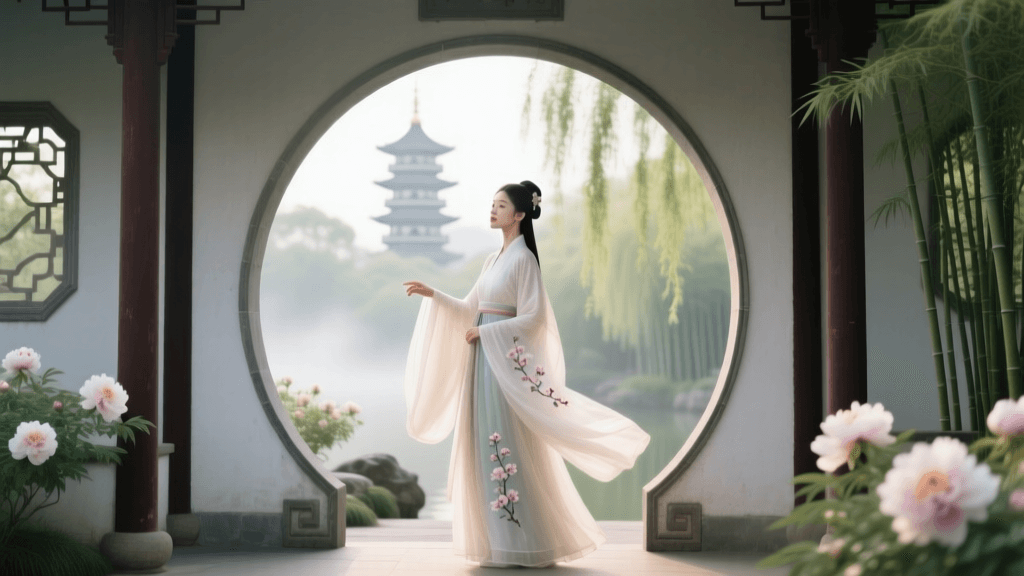
The global Hanfu renaissance has matured significantly by 2026, shifting from purely ceremonial and photographic wear to a deeply integrated element of daily fashion. As enthusiasts and designers push the boundaries of the Xin Zhongshi (new Chinese style) movement, the demand for historically accurate silhouettes that also offer modern, all-day comfort has skyrocketed. The secret to achieving this balance lies not in the cut of the garment, but in the physics of the fabric. Understanding Hanfu fabric texture, drape coefficients, and moisture-wicking capabilities is essential for selecting the right textile for specific historical styles, from the flowing Song Dynasty Beizi to the heavily pleated Ming Dynasty Mamianqun.
The Physics of Historical Silhouettes
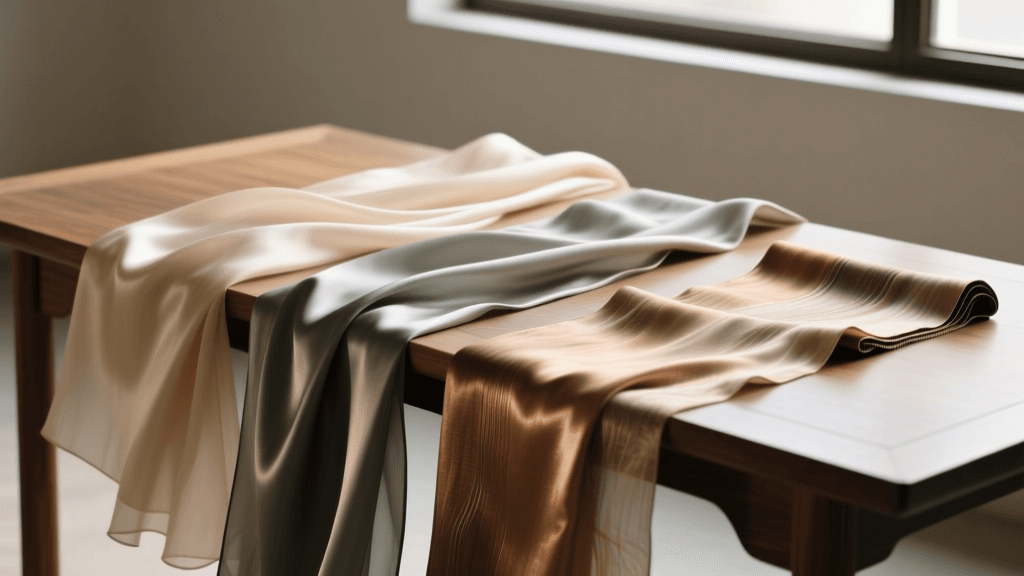
Traditional Chinese garments rely heavily on the natural fall of the fabric rather than complex tailoring, darts, or corsetry. The silhouette is created by gravity interacting with the textile's weight and bias. In textile engineering, the Cusick Drape Test is often used to measure how a fabric folds under its own weight. According to ScienceDirect's comprehensive guide to fabric drape, a lower drape coefficient indicates a stiffer fabric that holds structured shapes, while a higher coefficient signifies a fluid fabric that clings and flows. For Hanfu, matching the fabric's GSM (grams per square meter) and drape coefficient to the specific garment's structural requirements is the difference between a historically accurate silhouette and a costume-like approximation.
2026 Fabric Breakdown: Texture, Drape, and Comfort
1. Cupro (Bemberg) Blends: The Modern Mamianqun Standard
For the Ming Dynasty Mamianqun (horse-face skirt), the fabric must be heavy enough to hold deep knife pleats (often 40 to 60 pleats per skirt) but fluid enough to swing gracefully when walking. In 2026, Cupro—specifically Bemberg blends—has become the gold standard for everyday and semi-formal Mamianqun. Derived from cotton linter, Cupro offers a silk-like luster and a remarkably smooth hand-feel. Asahi Kasei's Bemberg cupro specifications highlight its superior moisture absorption and breathability compared to synthetic alternatives. A Cupro-polyester jacquard blend weighing between 130 and 150 GSM provides the exact structural memory needed to keep pleats sharp after sitting, while remaining cool against the skin in humid climates. Priced at an accessible $18 to $28 per meter, it bridges the gap between luxury and practicality.
2. Tencel Lyocell: The Breathable Song Dynasty Beizi
The Song Dynasty aesthetic favors minimalism, slender silhouettes, and ethereal layering. The Beizi (a long, open-front jacket) requires a fabric that drapes fluidly over the body's natural curves without adding bulk. Tencel Lyocell has dominated the 2026 market for this specific application. With a matte finish that mimics the subdued elegance of historical Song textiles, Tencel offers unparalleled breathability. According to Lenzing's official Tencel textile data, the fiber's nanofibril structure absorbs moisture 50% more efficiently than cotton, making it the ultimate choice for summer Hanfu. A lightweight Tencel crepe or satin (80 to 100 GSM) provides a liquid drape that moves like water. However, Tencel is prone to fibrillation (pilling) if washed aggressively, requiring gentle enzyme washes and air drying. Market prices for high-grade Tencel hanfu fabrics hover around $14 to $22 per meter.
3. Heavyweight Mulberry Silk: The Ceremonial Benchmark
Despite the rise of advanced semi-synthetics, 100% Mulberry Silk remains the undisputed benchmark for ceremonial Hanfu, such as wedding Ming Aoqun or formal Tang Dynasty Qixiong Ruqun. In 2026, the market favors heavy silk satins and damasks ranging from 19 to 30 momme (roughly 80 to 130 GSM). The texture of heavyweight silk is crisp yet yielding, producing a distinct acoustic 'scroop' (the rustling sound of silk) that adds to the sensory experience of the garment. While the drape is luxurious and the temperature regulation is naturally superior, the comfort factor is offset by high maintenance. Silk requires strict dry-cleaning or specialized pH-neutral hand washing, and the cost remains steep at $45 to $90+ per meter. It is best reserved for low-activity, high-impact events.
4. High-Twist Polyester Crepe: The Structured Budget Option
For beginners or those requiring rugged, travel-friendly Hanfu, high-twist polyester crepe remains a staple in 2026. The high twist of the yarns gives the fabric a pebbled texture and a dry, crisp hand-feel. It excels in garments requiring volume and structure, such as the voluminous sleeves of Jin Dynasty styles or heavily embroidered outer layers. While it lacks the breathability of Tencel or Cupro, modern microfiber weaves have vastly improved its moisture-wicking properties compared to early 2010s polyesters. At just $6 to $12 per meter, it is highly cost-effective, machine washable, and entirely wrinkle-resistant, making it the top choice for travel packing.
Comparative Hanfu Textile Data (2026 Market)
| Fabric Type | Optimal GSM | Drape Characteristic | Breathability | Cost per Meter (USD) | Best Hanfu Application |
|---|---|---|---|---|---|
| Cupro (Bemberg) Blend | 130 - 150 | Fluid, excellent pleat memory | High | $18 - $28 | Ming Mamianqun, everyday Ruqun |
| Tencel Lyocell | 80 - 100 | Liquid, matte, clings softly | Very High | $14 - $22 | Song Beizi, summer inner layers |
| Mulberry Silk (19-30m) | 80 - 130 | Crisp, luxurious, acoustic scroop | High | $45 - $90+ | Ceremonial Aoqun, Tang Qixiong |
| Polyester Crepe | 110 - 140 | Structured, dry, voluminous | Low-Medium | $6 - $12 | Travel Hanfu, embroidered outerwear |
Optimizing Comfort: Layering and Climate Control
The traditional Hanfu layering system is inherently designed for climate adaptability, provided the correct textures are chosen for each layer. The innermost layer, the Zhongyi (inner garment), sits directly against the skin. In 2026, the most comfortable Zhongyi are constructed from a 60 GSM Tencel-cotton blend or a fine bamboo viscose. These fabrics offer a slight stretch and immense moisture-wicking capabilities, preventing the outer layers from clinging to the skin due to perspiration.
When layering a Song Dynasty Beizi over a Ruqun, friction between the fabrics can cause bunching and ruin the drape. To prevent this, ensure the outer layer has a smoother texture (like Cupro satin) than the inner layer, or utilize a silk-lined outer garment. For winter wear, the integration of bio-based thermal linings (such as modern Sorona wadding) quilted between a silk outer shell and a cotton lining provides historical volume without the crushing weight of traditional cotton batting.
Sourcing, Pricing, and Maintenance
Sourcing high-quality Hanfu textiles in 2026 requires looking beyond standard retail and engaging with specialized textile mills in Hangzhou and Suzhou, which now offer direct-to-consumer digital swatch books. When purchasing fabric online, always request a GSM specification and a burn-test video if buying from unverified vendors to ensure you are not paying Cupro prices for basic polyester.
Maintenance Action Plan:
- Cupro & Tencel: Wash in cold water (max 30°C) using a pH-neutral liquid detergent. Never wring; instead, roll in a microfiber towel to absorb excess water and hang dry in the shade to prevent UV degradation of the fibers.
- Mulberry Silk: Spot clean when possible. For full washing, use a dedicated silk wash on a delicate cycle in a mesh bag, and iron on the reverse side using a steam press at a low temperature (110°C).
- Polyester Crepe: Machine wash warm, tumble dry low. Use a handheld steamer to quickly release any stubborn fold lines from storage.
By understanding the intricate relationship between fiber composition, weave structure, and historical silhouette, modern Hanfu wearers can curate a wardrobe in 2026 that honors ancient traditions while fully embracing contemporary textile science and everyday comfort.