Chinese Natural Dye Plants: Eco-Friendly Hanfu Tips 2026
The Renaissance of Chinese Botanical Dyes in 2026
The landscape of traditional Asian fashion has undergone a radical transformation by 2026. As global consumers and domestic enthusiasts alike demand greater transparency and environmental responsibility, the Hanfu movement has evolved beyond mere aesthetic revival. Today, the 'Eco-Guochao' (national trend) movement prioritizes verifiable supply chains, zero-toxicity certifications, and a return to ancestral crafting methods. At the heart of this sustainable fashion renaissance is the use of Chinese natural dye plants. According to the UN Environment Programme's Sustainable Fashion initiatives, shifting away from synthetic petrochemical dyes is one of the most critical steps in reducing the textile industry's water pollution and carbon footprint.
For modern artisans, dyers, and Hanfu designers, mastering traditional Chinese botanical dyes is no longer just a historical curiosity; it is a vital, marketable skill. In 2026, stringent environmental regulations across Asian manufacturing hubs have made synthetic dyeing more expensive and heavily taxed, making locally sourced, eco-friendly plant dyes a highly viable and cost-effective alternative for small-batch and bespoke garment creators.
Essential Chinese Natural Dye Plants
China’s rich botanical heritage offers a spectacular spectrum of colors. Unlike synthetic equivalents, these plant-based dyes possess a living depth and subtle variegation that synthetic chemicals cannot replicate. Here are the foundational plants dominating the eco-friendly Hanfu market this year.
1. Chinese Indigo (Polygonum tinctorium / Lan)
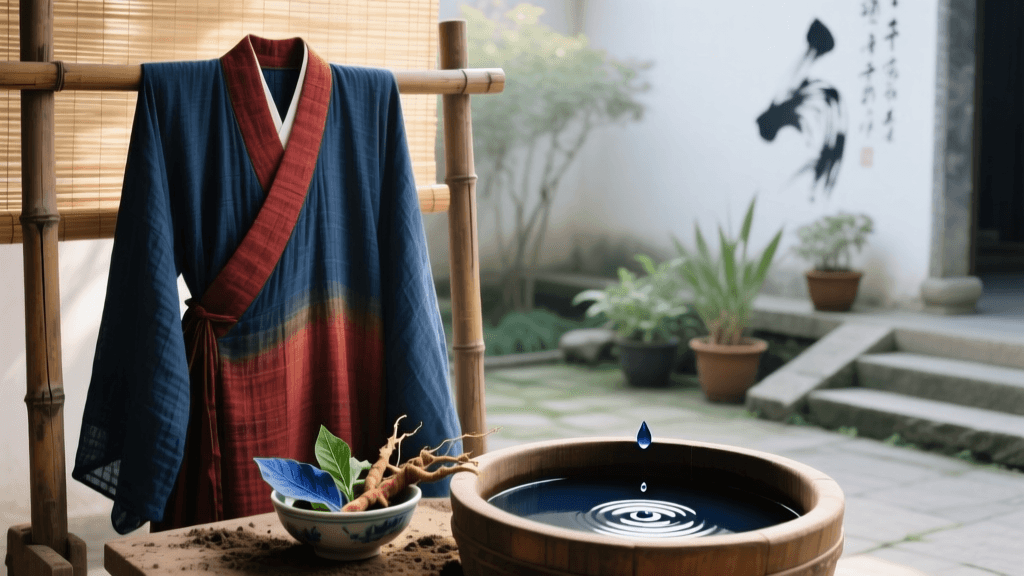
While indigo is used globally, Polygonum tinctorium (often referred to as 'Lan' in historical texts) is the traditional Chinese source for deep, resilient blues. Unlike synthetic indigo which requires toxic reducing agents like sodium dithionite, traditional Chinese indigo is fermented in an alkaline vat using rice wine, wood ash lye, and natural fructose. In 2026, bio-engineered fermentation starters have made maintaining a healthy, odor-free indigo vat significantly easier for home dyers and small studios, yielding the iconic 'Qing' (cyan-blue) seen in Ming Dynasty-inspired garments.
2. Madder Root (Rubia cordifolia / Qiancao)
Known as 'Qiancao', madder root is the premier source for historical reds, ranging from soft terracotta to deep crimson. The roots contain alizarin and purpurin. The critical secret to madder dyeing is temperature control; the dye bath must never exceed 60°C (140°F). Boiling madder extracts brown tannins, muddying the vibrant red. Modern eco-dyers in 2026 utilize precise digital sous-vide immersion circulators to maintain the perfect extraction temperature for hours, ensuring brilliant, lightfast reds for ceremonial Hanfu skirts and jackets.
3. Pagoda Tree Buds (Sophora japonica / Huaihua)
The unopened flower buds of the Pagoda Tree, known as 'Huaihua', are the traditional source for the brilliant, luminous yellows used in imperial and scholar garments. Rich in rutin, Huaihua yields a vibrant yellow when mordanted with alum, and shifts to a deep, olive-green when modified with iron. It is highly prized for its excellent lightfastness and its ability to dye silk and ramie with exceptional clarity.
4. Chinese Gallnut (Wubeizi)
Gallnuts are not a dye in the traditional sense, but a tannin-rich mordant and color modifier. Formed on the Rhus chinensis tree due to insect interactions, Wubeizi is essential for achieving the deep greys, charcoals, and blacks required for formal, somber, or mourning Hanfu. When combined with an iron modifier (ferrous sulfate), the tannins react to create a permanent, colorfast black that does not degrade the silk fibers like synthetic black dyes often do.
The Modern Eco-Mordanting Process
Natural dyes require a mordant—a substance that binds the dye molecule to the textile fiber. Historically, heavy metals like chrome or tin were used, but these are highly toxic and environmentally damaging. The 2026 standard for eco-friendly Hanfu dyeing relies on bio-mordants and safe mineral salts.
- Soy Milk Binder (for Cellulose Fibers): Ramie, hemp, and cotton lack the protein sites that naturally attract plant dyes. Soaking these fabrics in a solution of freshly extracted, high-protein soy milk (diluted 1:5 with water) for 24 hours coats the fibers in plant protein, allowing them to accept dyes just like silk or wool.
- Bio-Alum (Potassium Aluminum Sulfate): The safest and most common mineral mordant. For 100 grams of dry silk fabric, dissolve 15 grams of alum and 5 grams of cream of tartar in warm water. Simmer the fabric for 45 minutes, then let it cool in the bath for optimal fiber penetration.
- Symplocos (Alum-accumulating Plant): For dyers seeking a 100% plant-based mordant, dried leaves of the Symplocos plant naturally accumulate aluminum from the soil. Boiling these leaves creates a highly effective, entirely botanical mordant liquor.
Botanical Dye Comparison Chart
Understanding the properties of each plant is crucial for designing a cohesive, colorfast Hanfu wardrobe. Below is a structured comparison of the most popular Chinese dye plants used in 2026.
| Botanical Name | Pinyin | Target Color | Recommended Eco-Mordant | Lightfastness (1-5) |
|---|---|---|---|---|
| Polygonum tinctorium | Lan (Indigo) | Deep Blue / Cyan | None (Vat Dye) | 5 (Excellent) |
| Rubia cordifolia | Qiancao (Madder) | Red / Terracotta | Bio-Alum / Soy Milk | 4 (Very Good) |
| Sophora japonica | Huaihua (Pagoda) | Bright Yellow | Bio-Alum | 4 (Very Good) |
| Rhus chinensis | Wubeizi (Gallnut) | Grey / Black | Iron Modifier | 5 (Excellent) |
| Phellodendron amurense | Huangbo (Amur Cork) | Neon / Bright Yellow | None (Substantive Dye) | 2 (Poor - Fugitive) |
Note: Huangbo is a substantive dye, meaning it requires no mordant to bind to silk. However, it is highly fugitive (fades quickly in sunlight) and is best reserved for inner garments or ceremonial pieces worn indoors.
Sourcing Authentic Botanical Dyes in 2026
As the demand for natural dyes has surged, the market has unfortunately seen an influx of adulterated products—plant powders cut with synthetic chemical dyes. To ensure your Hanfu is genuinely eco-friendly, sourcing is paramount. According to the educational resources provided by the Maiwa Foundation, a leading authority on natural dyes, authentic botanical extracts should have a distinct, earthy aroma and should not instantly stain the skin upon dry contact.
In 2026, expect to pay a premium for certified organic, traceable extracts. High-quality, cold-milled Polygonum tinctorium extract averages between $55 and $75 per kilogram, while whole dried Rubia cordifolia roots cost around $30 per kilogram. It is highly recommended to purchase from established cooperatives in Yunnan and Guizhou provinces, which now offer blockchain-verified supply chain tracking via QR codes on their packaging, ensuring the plants were wild-harvested or farmed without synthetic pesticides.
Troubleshooting Common Dyeing Issues
Even experienced dyers encounter challenges when working with natural plants. Here is how to solve the most common issues in the 2026 studio:
- Uneven Patchiness on Silk: This is almost always a scouring issue. Silk must be scoured using a pH-neutral eco-detergent and a gentle simmer to remove the sericin (silk gum) and manufacturing oils. If the fabric is not perfectly clean, the mordant and dye will bind unevenly.
- Dull or Brownish Reds from Madder: Your water chemistry may be too acidic, or your temperature exceeded 60°C. Add a pinch of calcium carbonate (chalk) to the dye bath to harden the water and shift the pH to slightly alkaline, which brightens the alizarin reds dramatically.
- Indigo Vat 'Death': If your indigo vat turns black and smells foul, it has over-oxidized or the pH has dropped. Gently reheat the vat to 45°C, add a small amount of calcium hydroxide (slaked lime) to restore the alkalinity, and feed it with a natural sugar source like fructose or henna to encourage the reducing bacteria.
Caring for Naturally Dyed Hanfu and Garments
Naturally dyed textiles are living materials that require specific care to maintain their vibrancy and structural integrity over decades. The Victoria and Albert Museum's textile conservation guidelines emphasize the importance of pH-neutral environments and protection from UV degradation.
- Washing: Never use standard commercial laundry detergents, which are highly alkaline and contain optical brighteners that will strip natural dyes. Wash your Hanfu by hand in cool water using a pH-neutral, olive-oil-based soap or specialized natural textile wash.
- Drying: Direct sunlight is the enemy of botanical dyes, particularly yellows from Huaihua and reds from Qiancao. Always dry naturally dyed garments flat in a well-ventilated, shaded area.
- Storage: Store your Hanfu in acid-free tissue paper within a cool, dark cedar chest. Avoid plastic garment bags, which can trap moisture and cause mildew, or emit off-gassing chemicals that can alter the pH and color of the natural dyes over time.
Conclusion
The integration of Chinese natural dye plants into modern Hanfu creation represents a beautiful synthesis of ancestral wisdom and contemporary environmental ethics. By mastering the extraction, mordanting, and care of botanical dyes like indigo, madder, and pagoda tree, artisans in 2026 are not just making clothes; they are preserving a vital cultural heritage while actively participating in the global shift toward sustainable, regenerative fashion. Whether you are dyeing a simple ramie cross-collar shirt or a complex, multi-layered ceremonial skirt, the colors drawn from the earth offer a profound, living connection to the traditions of the past.