Destination Wedding Kimonos: Planning Your Japanese Bridal Look
The Allure of the Japanese Destination Wedding
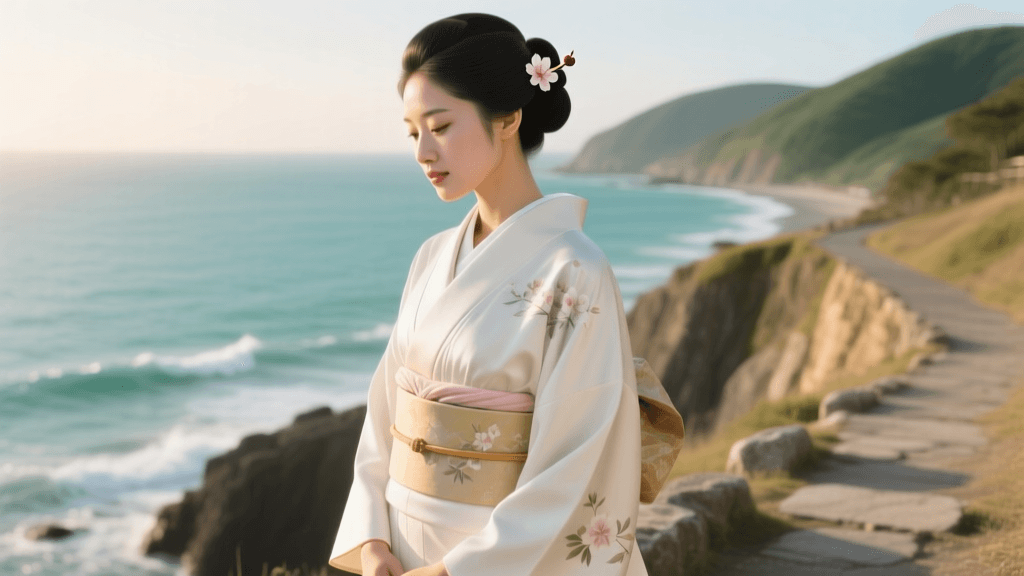
Choosing to host a destination wedding in Japan is a decision steeped in romance, history, and unparalleled aesthetic beauty. Whether you are exchanging vows beneath the ancient cedar trees of a Kyoto shrine, celebrating in a traditional machiya townhouse, or hosting a seaside reception in Okinawa, incorporating traditional Japanese garments elevates the experience from a simple ceremony to a profound cultural immersion. For international brides and grooms, wearing a traditional bridal kimono is not merely a fashion choice; it is an embrace of centuries-old artistry, textile mastery, and deep symbolic meaning.
According to the Japan National Tourism Organization (JNTO), there has been a significant surge in international couples seeking authentic, culturally rich wedding experiences in Japan. However, navigating the logistics of traditional Japanese bridal wear—known collectively as shiro-muku, uchikake, and iro-tomesode—requires meticulous planning. From understanding the complex layering of silk to coordinating the precise timing of professional dressing (kitsuke), this comprehensive guide will help you plan a flawless destination wedding kimono experience.
Choosing Your Bridal Kimono: Shiromuki, Uchikake, and Irotomesode
The Japanese bridal wardrobe is highly structured, with specific garments designated for different phases of the wedding day. Understanding the distinctions between these garments is crucial for planning your itinerary, budget, and venue transitions.
1. Shiromuki (The Pure White Kimono)
The Shiromuki is the most formal and traditional bridal kimono, worn exclusively for the wedding ceremony itself, typically a Shinto ritual. Woven entirely in pure white silk, it symbolizes the bride's purity and her willingness to be 'dyed' in the colors of her new family. It is often paired with a wataboshi (a white, dome-shaped cap) or a tsunokakushi (a white hood meant to hide the 'horns' of jealousy and ego, symbolizing the bride's commitment to becoming a gentle and obedient wife).
2. Uchikake (The Colorful Brocade Overcoat)
Following the ceremony, the bride traditionally changes into an Uchikake for the reception and celebratory banquets. The Uchikake is a heavily padded, luxurious brocade overcoat worn open over a base kimono. It is renowned for its vibrant colors and intricate motifs. Common designs include cranes (symbolizing longevity and fidelity), pine trees (endurance), and cherry blossoms (the fleeting beauty of life). The hem is heavily padded with cotton or silk wadding (fukura) to allow the garment to trail elegantly on the floor.
3. Irotomesode (The Colored Formal Kimono)
For a more modern destination wedding, or for the bride's secondary after-party, the Irotomesode is an excellent choice. It features a single-colored base (often pastel or deep jewel tones) with elaborate patterns restricted to the lower half of the garment. Adorned with one to five family crests (kamon), it strikes a balance between supreme formality and contemporary elegance, making it easier to move and dance in during evening receptions.
| Garment | Primary Use | Average Weight | Rental Cost (USD) | Key Accessories |
|---|---|---|---|---|
| Shiromuki | Shinto Ceremony | 15 - 20 kg | $400 - $800 | Wataboshi, Kaiken (short sword) |
| Uchikake | Reception / Banquet | 12 - 18 kg | $500 - $1,200 | Bunkin Takashimada (wig), Hakoseko |
| Irotomesode | After-Party / Guests | 8 - 12 kg | $250 - $600 | Fukuro Obi, Zori sandals |
Renting vs. Buying: Financial and Logistical Realities
When planning a destination wedding, the decision to rent or buy your kimono is heavily influenced by logistics. Authentic, high-quality bridal kimonos, particularly those featuring Nishijin-ori (Kyoto's prestigious brocade weaving technique) or hand-painted Yuzen dyeing, are monumental investments. Purchasing a new, premium Uchikake can easily exceed $10,000 to $20,000 USD. Furthermore, buying requires you to arrange international shipping, navigate customs duties, and, most importantly, hire a certified kitsuke-shi (kimono dresser) at your destination.
For 95% of destination brides, renting is the most practical and cost-effective choice. Reputable bridal salons in Tokyo, Kyoto, and Osaka offer comprehensive packages ranging from $400 to $1,500 USD. As noted in Japan Guide's overview of weddings in Japan, modern bridal packages almost always include the garment rental, professional dressing, hair styling, makeup, and the necessary undergarments. Renting eliminates the stress of transport and ensures you have access to a professional dresser who understands the specific architectural requirements of the venue.
'The kimono is not merely worn; it is constructed upon the body. A master dresser does not just clothe the bride; they sculpt a silhouette that honors centuries of aesthetic tradition.' — Traditional Kitsuke Proverb
The Art of Kitsuke: Your Wedding Day Dressing Timeline
One of the most common mistakes international couples make is underestimating the time required to dress in a traditional kimono. The process, known as kitsuke, is a meticulous art form that involves multiple layers, strategic padding, and precise knot-tying. You must allocate a minimum of 2.5 to 3 hours for hair, makeup, and dressing before the ceremony begins.
Sample Wedding Morning Timeline
- 07:00 AM - Skin and Hair Preparation: The bride arrives at the salon. Hair is prepped for the bunkin takashimada (traditional bridal wig), and makeup is applied. Tip: Wear a button-down shirt to avoid disturbing your hair and makeup when changing.
- 08:00 AM - Base Undergarments: The dresser applies the hadajuban (thin under-kimono) and koshimaki (wrap skirt). This is followed by strategic padding using small towels tied around the waist, hips, and chest to create the ideal cylindrical silhouette, which prevents the kimono from wrinkling and ensures the obi sits perfectly flat.
- 08:45 AM - The Base Kimono and Datejime: The primary silk layer is wrapped and secured with datejime (stiff under-sashes) and koshihimo (thin tying cords). The collar is carefully adjusted to show exactly the right amount of the nape of the neck, a focal point of Japanese beauty.
- 09:30 AM - The Obi Knot: The fukuro obi (a heavy, brocade sash) is tied. For brides, this is often tied in the fukura-suzume (puffed sparrow) or bunko (butterfly) style. The obi alone can weigh up to 5 kg and is secured with a rigid obi-ita board to maintain its shape.
- 10:15 AM - Final Accessories: The dresser attaches the obi-age (sash scarf), obi-jime (decorative cord), and places the hakoseko (decorative pouch) and kaiken (ceremonial short sword) into the obi fold. The bride steps into her zori sandals, and the transformation is complete.
Navigating Venues and Travel in Traditional Attire
Wearing a 20-kilogram garment fundamentally changes how you move, sit, and travel. If your ceremony involves traditional Shinto wedding ceremonies at historic shrines, you must prepare for the physical environment. Many ancient shrines, such as Kamigamo in Kyoto or Meiji Jingu in Tokyo, feature long approaches paved with uneven gravel (sando) and steep wooden stairs.
Logistical Action Items for Venue Planning:
- Transportation: A bride in a full Uchikake cannot sit normally in a standard sedan without crushing the obi knot and wrinkling the silk. You must rent a specialized bridal van with elevated, backless seating, or arrange for a jinrikisha (rickshaw) for short, scenic distances.
- Shrine Accessibility: Contact the shrine in advance to request a wheelchair or a covered palanquin if the gravel path is exceptionally long. It is also customary for the bride to have an attendant (often a bridesmaid or family member) to help lift the heavy hem of the Uchikake when climbing stairs.
- Weather Considerations: Japan's summers (June-August) are intensely hot and humid. If marrying in summer, opt for a lightweight, breathable ro or sha (woven gauze) summer kimono, and utilize cooling packs hidden within the undergarments. For winter weddings, thermal heattech underlayers and specialized silk shawls (dochu-gake) are essential.
Expert Tips for the Modern Destination Bride
To ensure your kimono experience is as comfortable and photogenic as possible, keep these insider tips in mind:
- Bring Your Own Tabi: While rental shops provide the split-toe tabi socks, bringing your own brand-new, perfectly fitted white tabi is a matter of both hygiene and comfort. A poorly fitted tabi will cause blisters when walking in wooden or vinyl zori sandals.
- Eat Before You Dress: Once the datejime and obi are tightly bound around your ribs and stomach, eating a full meal becomes physically impossible, and drinking large amounts of water can cause severe discomfort. Consume a high-protein, easily digestible breakfast before arriving at the salon, and hydrate via a straw throughout the day.
- Master the Posture: The kimono forces a specific posture. Keep your back straight, shoulders relaxed and pulled slightly back, and your chin tucked. When walking, take small, sliding steps, keeping your toes pointed slightly inward. This not only prevents the kimono from riding up but also creates the elegant, gliding silhouette captured in classic Japanese woodblock prints.
- Book Early: High-end bridal salons in Kyoto and Tokyo book out 8 to 12 months in advance, especially during the peak autumn foliage and spring cherry blossom seasons. Secure your garment reservations as soon as your venue is confirmed.
Embracing the traditional kimono for your destination wedding is a profound way to honor Japanese heritage. By understanding the nuances of the garments, respecting the intricate dressing process, and planning meticulously for your venue's physical demands, you ensure that your wedding day is not only visually breathtaking but also a deeply comfortable and memorable cultural journey.