Authentic Peruvian Alpaca Ponchos: 2026 Buyer's Guide
The Legacy of Andean Textile Arts
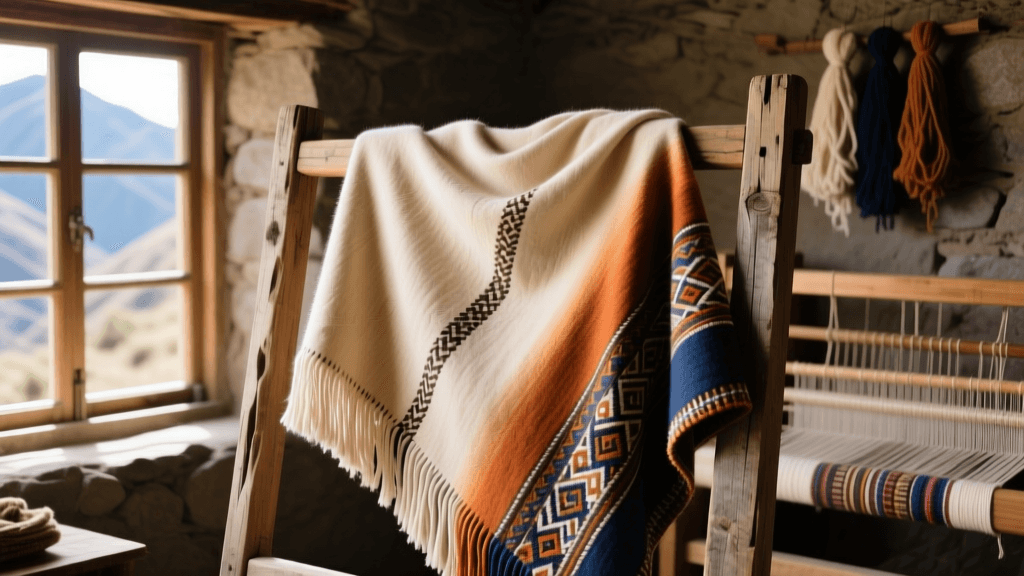
The traditional Peruvian poncho is far more than a simple garment designed to ward off the biting chill of the Andean highlands; it is a profound expression of indigenous identity, cosmology, and ancestral memory. As we navigate the global fashion landscape in 2026, the appreciation for authentic Latin American traditional garments has evolved from a niche interest into a robust movement centered on sustainability, heritage preservation, and ethical consumption. However, this surging demand has also led to an influx of mass-produced, synthetic imitations flooding the markets of Cusco, Lima, and international boutiques. For the discerning collector, cultural enthusiast, or conscious consumer, understanding the intricate textile arts of Peru is essential. This comprehensive 2026 buyer’s guide will walk you through the history, fiber grading, weaving techniques, and authentication methods necessary to acquire a genuine Peruvian alpaca poncho.
Iconography and the Language of the Pallay
Before evaluating the physical fiber, one must understand the visual language woven into the garment. Traditional Andean textiles utilize a system of motifs known as pallay. These are not merely decorative patterns; they are a form of pre-Columbian storytelling and agricultural record-keeping. In authentic, hand-woven ponchos from regions like Puno and Cusco, you will frequently encounter the chakana (the Andean cross), which represents the three tiers of the cosmos: the Hanan Pacha (upper world of the gods), the Kay Pacha (the earthly realm), and the Uku Pacha (the underworld).
Other common motifs include the condor (representing air and vision), the puma (representing strength and the earthly plane), and the serpent (representing water and the subconscious). In 2026, genuine artisan cooperatives continue to use these motifs to signify the specific village or lineage of the weaver, making each poncho a geographically and culturally traceable artifact. Mass-produced tourist garments often scramble these symbols or replace them with generic, non-traditional geometric shapes that lack cultural resonance.
The Science of Camelid Fibers: Grading Alpaca in 2026
One of the most pervasive myths in the textile market is the term "Baby Alpaca." Many buyers mistakenly believe this refers to the fleece sheared from an infant alpaca. In reality, "Baby Alpaca" is a commercial grading term that refers to the fineness of the fiber, typically measured in microns (µm), regardless of the animal's age. The Alpaca Owners Association and international textile boards strictly categorize alpaca fleece based on these microscopic measurements. Understanding these grades is critical when evaluating the price and quality of a poncho in today's market.
| Fiber Grade | Micron Count | Characteristics & Drape | 2026 Avg. Market Price (USD) |
|---|---|---|---|
| Royal Alpaca | < 18.0 µm | Ultra-rare, cashmere-like softness, luxury drape, highly prized for high-end fashion. | $450 - $900+ |
| Baby Alpaca | 18.1 - 21.0 µm | Exceptionally soft, hypoallergenic, lacks the prickly guard hairs of standard wool. | $250 - $450 |
| Superfine Alpaca | 21.1 - 25.5 µm | Soft, warm, excellent for heavy outerwear and traditional ponchos. Durable. | $120 - $250 |
| Adult / Standard | > 25.5 µm | Coarser, can feel prickly against sensitive skin. Often blended with synthetics or sheep wool. | $40 - $100 |
When shopping for a traditional poncho, Superfine or Baby Alpaca are the most desirable grades. Royal Alpaca is exceptionally rare and usually reserved for lightweight, luxury garments rather than heavy, structured ponchos. If a vendor offers a heavy, thick poncho claiming it is "Royal Alpaca" for under $150, you are almost certainly looking at a synthetic blend or mislabeled sheep's wool.
Traditional Weaving and the Alchemy of Natural Dyes
The creation of an authentic Peruvian poncho is a labor-intensive process that bridges the gap between mathematics, chemistry, and art. Indigenous weavers primarily use two types of looms: the telar de cintura (backstrap loom) and the telar de pedal (treadle loom). The backstrap loom, which has been used since pre-Inca times, relies on the weaver's body weight to maintain tension on the warp threads. This method allows for the creation of intricate, double-faced textiles that are incredibly dense and durable.
Equally important to the weaving technique is the dyeing process. While synthetic aniline dyes are common in cheap souvenirs, master weavers in 2026 continue to champion the use of natural, botanical dyes, a practice heavily promoted by cultural preservation initiatives highlighted by PromPeru. The alchemy of natural dyeing requires deep ecological knowledge:
- Cochineal (Red/Crimson): Harvested from the Dactylopius coccus insect that lives on prickly pear cacti. By altering the pH with lime juice or alum, weavers can extract a spectrum of colors from bright scarlet to deep plum.
- Indigo and Tara (Blue/Black): Indigo plants provide rich blues, while the pods of the Tara tree, combined with iron-rich mud, are used to achieve deep, colorfast blacks and grays.
- Chilca and Q'olle (Green/Yellow): The leaves of the Chilca bush yield vibrant, earthy greens, while the flowers of the Q'olle tree provide brilliant, sun-fast yellows.
A genuine, naturally dyed, hand-woven poncho can take anywhere from three to six months to complete. The colors of natural dyes are rarely perfectly uniform; they possess a beautiful, organic variegation that synthetic dyes cannot replicate. This slight irregularity is a hallmark of authenticity.
How to Authenticate a Genuine Alpaca Poncho
In 2026, synthetic manufacturing techniques have become incredibly advanced, allowing acrylic blends to mimic the look and initial feel of alpaca. To ensure you are purchasing an authentic heritage garment, employ these three field tests:
1. The Tactile and Temperature Test
Genuine alpaca fiber has a unique thermal property: it feels distinctly cool to the touch when you first hold it, unlike acrylic or polyester, which quickly absorb and reflect your body heat. Furthermore, alpaca has a substantial, heavy drape. Pick up the poncho; if it feels unusually lightweight, airy, or "squeaky" when rubbed between your fingers, it is likely a synthetic blend.
2. The Burn Test
This is the most definitive test, though it requires permission from the vendor. Ask to snip a single, tiny thread from an inconspicuous area (like the inside hem) and hold a lighter to it.
Real Alpaca: Will burn slowly, smell exactly like burning human hair, and leave behind a fine, crumbly ash that turns to dust when pinched.
Synthetic/Acrylic: Will melt, smell like burning plastic or chemicals, and form a hard, black bead that cannot be crushed.
3. The Price and Provenance Reality Check
Economic realities dictate that raw Baby Alpaca fiber is expensive. Factoring in the months of labor required to spin, dye, and weave the garment by hand, a true artisan poncho cannot be sold for $45 in a Lima market. In 2026, expect to pay a minimum of $150 for a genuine, hand-woven Superfine alpaca poncho, with prices scaling up to $600 or more for complex, naturally dyed masterworks. Always ask for the name of the weaver or the cooperative; genuine artisans are proud to sign or attach a tag to their work.
Ethical Sourcing and Supporting Indigenous Artisans
The most meaningful way to acquire a Peruvian poncho is to purchase directly from women's weaving cooperatives in the Sacred Valley, Puno, or Chinchero. These cooperatives ensure that the profits remain within the indigenous communities, funding local education, healthcare, and the transmission of ancestral weaving techniques to the next generation. When buying from international boutiques or online platforms in 2026, look for Fair Trade certifications and transparent supply chains that explicitly name the artisan groups. Avoid purchasing from large, generic souvenir chains that exploit indigenous designs without compensating the original creators.
Caring for Your Heritage Garment
An authentic alpaca poncho is an investment piece that, with proper care, can last for generations. Alpaca fiber is naturally water-resistant, hypoallergenic, and lacks the lanolin found in sheep's wool, meaning it does not attract dust mites or require frequent washing.
- Washing: Never machine wash or dry clean your poncho. Hand wash it in cold water using a gentle, pH-neutral detergent or baby shampoo.
- Drying: Do not wring or twist the garment, as this will distort the weave. Gently press the water out, roll it in a clean, dry towel to absorb excess moisture, and lay it flat on a drying rack away from direct sunlight.
- Storage: Store your poncho folded in a breathable cotton bag with natural cedar blocks or dried lavender to deter moths. Avoid plastic bags, which can trap moisture and cause mildew.
Conclusion
Purchasing an authentic Peruvian alpaca poncho in 2026 is an act of cultural preservation. By understanding the intricate grading of camelid fibers, recognizing the profound symbolism of the pallay, and knowing how to distinguish natural artistry from synthetic mass-production, you ensure that your garment is not just a piece of clothing, but a wearable testament to the enduring legacy of Latin American textile arts.