2026 Guide to Indigenous Textiles in NYC & LA Garment Districts
The Evolution of American Fashion Hubs in 2026
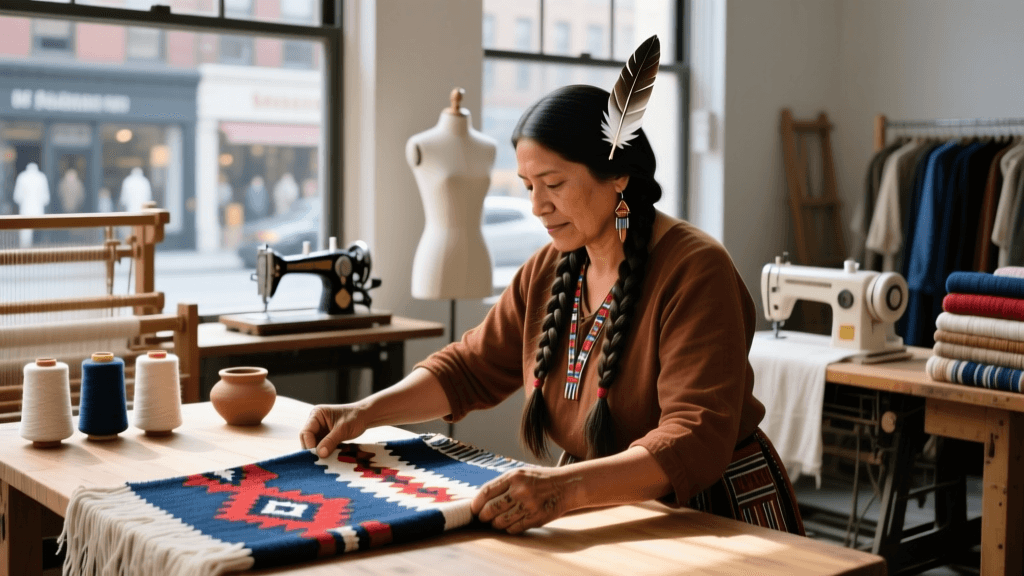
The American fashion landscape in 2026 is undergoing a profound transformation, driven by a demand for authenticity, ethical manufacturing, and deep cultural respect. For decades, the New York City and Los Angeles garment districts have served as the beating heart of American apparel production. However, the 2026 sourcing environment looks vastly different from the past. Today, these historic hubs are not just centers for mass production; they have become vital crossroads for Indigenous designers, traditional textile makers, and heritage brands seeking to integrate Native American and Latin American Indigenous craftsmanship into contemporary fashion.
As buyers, designers, and brand founders navigate the complexities of the 2026 fashion market, understanding how to ethically source Indigenous textiles within these urban hubs is paramount. This guide provides an in-depth, actionable roadmap for navigating the NYC and LA garment districts, ensuring that your brand supports authentic Native artisans while meeting modern commercial demands.
Sourcing in the NYC Garment District: Heritage Meets High Fashion
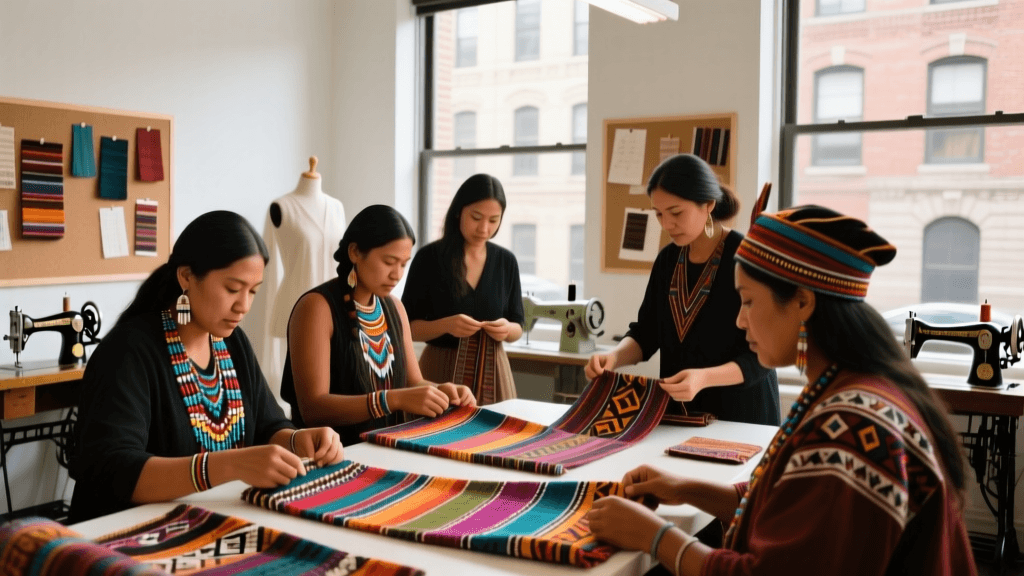
The New York City Garment District, traditionally bounded by 34th and 42nd Streets between Sixth and Ninth Avenues, remains the epicenter of American high fashion. In 2026, the district has seen a massive shift toward micro-manufacturing and sustainable incubator spaces. For brands looking to incorporate Indigenous North American textiles—such as hand-loomed Navajo Churro wool, Haudenosaunee beadwork, or Plains-inspired quillwork—NYC offers unparalleled access to high-end sample rooms and ethical cut-and-sew operations that specialize in heritage materials.
One of the most significant developments in 2026 is the rise of collaborative showrooms on 38th and 39th Streets that specifically bridge the gap between reservation-based artisans and urban fashion houses. These showrooms act as ethical intermediaries, ensuring that Native weavers and dyers receive equitable profit-sharing. When sourcing in NYC, buyers should look for the newly implemented 'Heritage Maker' certification plaques on building directories, a 2025 initiative backed by the Council of Fashion Designers of America to highlight studios that prioritize Indigenous collaborations and transparent supply chains.
Key NYC Sourcing Strategies for 2026
- Sample Room Partnerships: Many Indigenous designers utilize NYC sample rooms that have invested in specialized machinery capable of handling heavy, hand-spun yarns without breaking the fibers. Expect to pay a premium for these specialized services, with sample development costs averaging 25% higher than standard synthetic runs.
- Wild Rice Husk & Botanical Dyes: Several boutique dye houses in the Chelsea-adjacent edges of the district now offer commercial batches of traditional botanical dyes, including wild rice husk and goldenrod, catering to the 2026 consumer demand for hyper-natural color palettes.
- Minimum Order Quantities (MOQs): Due to the labor-intensive nature of authentic Indigenous textiles, NYC-based ethical showrooms typically enforce MOQs of 50 to 100 units per style, allowing artisans the time required to produce goods without compromising cultural integrity.
The LA Fashion District: Southwest and Latin American Textile Crossroads
While NYC focuses on high-end sample development and luxury collaborations, the Los Angeles Fashion District operates as the premier wholesale and import hub for the Americas. Spanning over 100 blocks downtown, the LA district in 2026 is the undisputed gateway for Latin American and Southwest Indigenous textiles. From the vibrant, cochineal-dyed wool of Zapotec weavers in Oaxaca to the intricate backstrap-loomed huipiles of Maya artisans in Guatemala, LA's importers provide North American brands with access to centuries-old Mesoamerican textile traditions.
The intersection of 9th Street and Los Angeles Street remains the epicenter for textile wholesale. However, the 2026 market is heavily regulated to prevent the importation of counterfeit 'tribal-style' goods. The LA Fashion District association has partnered with customs and Indigenous rights organizations to crack down on mass-produced knockoffs, ensuring that showrooms displaying authentic Indigenous goods are properly vetted. Buyers visiting the California Market Center (CMC) will find dedicated floors for ethically sourced Latin American textiles, where importers work directly with Indigenous cooperatives rather than exploitative middlemen.
Navigating the LA Wholesale Market
- Direct-to-Cooperative Importers: Seek out showrooms that explicitly name the Indigenous cooperatives they partner with. In 2026, transparency is not just a buzzword; it is a market requirement. Showrooms that cannot provide the name and region of the weaving cooperative should be avoided.
- Southwest Wool Blends: For brands focusing on the American Southwest, LA's jobbers offer incredible access to Pendleton-style wools and authentic Navajo-spun yarns. The 2026 pricing for authentic, reservation-spun Churro wool yarn has stabilized at approximately $85 to $120 per pound at wholesale, reflecting the true cost of ethical animal husbandry and traditional processing.
- Logistics and Shipping: The LA district excels in rapid fulfillment. Unlike the long lead times associated with direct reservation sourcing, LA-based importers of Latin American textiles typically hold domestic inventory, reducing lead times from 12 weeks to just 14 days.
2026 Sourcing Comparison: NYC vs. LA Districts
Choosing between the East and West coast hubs depends entirely on your brand's scale, target market, and specific textile needs. Below is a comprehensive comparison of the two districts for Indigenous and heritage sourcing in 2026.
| Metric | NYC Garment District | LA Fashion District |
|---|---|---|
| Primary Specialty | High-end sample making, luxury Native American collaborations, specialized cut-and-sew. | Wholesale Latin American imports, Southwest wool jobbers, large-scale ethical distribution. |
| Average MOQ | 50 - 150 units (Focus on small-batch luxury) | 300 - 500+ units (Focus on wholesale volume) |
| Lead Time | 8 - 14 weeks (Includes artisan production time) | 2 - 4 weeks (Relies on pre-imported domestic stock) |
| Cost per Yard (Heritage Wool) | $95 - $160 (Premium luxury pricing) | $45 - $85 (Wholesale cooperative pricing) |
| Best For | Emerging luxury designers, bespoke brands, CFDA incubator participants. | Contemporary ready-to-wear, home goods brands, high-volume ethical retailers. |
Ensuring Authenticity: The Legal and Ethical Landscape
The most critical aspect of sourcing Indigenous textiles in 2026 is ensuring strict compliance with cultural protection laws. The bedrock of this legal framework in the United States is the Indian Arts and Crafts Act of 1990. Enforced by the Indian Arts and Crafts Board within the Department of the Interior, this truth-in-advertising law makes it illegal to offer or display for sale any art or craft product in a manner that falsely suggests it is Indian-produced, an Indian product, or the product of a particular Indian or Indian Tribe.
In 2026, enforcement has expanded into the digital and wholesale realms. Brands sourcing from the NYC or LA garment districts must conduct rigorous due diligence. If a showroom in LA claims to sell 'authentic Native turquoise and silver beadwork' or 'genuine Oaxacan Zapotec rugs,' the buyer must request documentation of the artisan's tribal enrollment or the cooperative's official recognition. Failing to do so not only exposes your brand to severe federal penalties but also perpetuates the economic marginalization of Indigenous communities.
Ethical sourcing goes beyond mere legal compliance. It requires an understanding of Cultural Intellectual Property (CIP). Certain patterns, weaving techniques, and ceremonial motifs are not meant for commercial commodification. In 2026, leading fashion houses employ Indigenous cultural liaisons to review textile selections, ensuring that the motifs being adapted for commercial wear are appropriate for public sale and that the originating communities are compensated through royalty structures or community investment funds.
Actionable Steps for Buyers and Designers
To successfully integrate Indigenous textiles into your 2026 collections via the American garment districts, follow these practical steps:
- Verify Before You Buy: Always ask for the artisan's or cooperative's credentials. Utilize the Indian Arts and Crafts Board's resources to verify the authenticity of the goods and the sellers operating within the districts.
- Budget for True Cost: Authentic, hand-loomed, and naturally dyed textiles cannot compete on price with fast-fashion synthetics. Adjust your retail margins to accommodate the 2026 wholesale costs of heritage materials, educating your end-consumer on the value of the craftsmanship.
- Build Long-Term Relationships: The best sourcing in both NYC and LA is done through relationship-building. Visit the showrooms, attend the heritage textile trade days, and commit to multi-season contracts that provide financial stability for the Indigenous cooperatives you work with.
- Credit the Source: In your 2026 marketing and garment tagging, explicitly name the Indigenous communities, cooperatives, and specific artisans who contributed to the textile. Move away from vague terms like 'tribal-inspired' and embrace radical transparency.
Conclusion
The NYC and LA garment districts in 2026 are no longer just concrete jungles of mass production; they are evolving into respectful conduits for the oldest textile traditions in the Americas. By navigating these hubs with a commitment to authenticity, legal compliance, and ethical partnerships, fashion brands can celebrate the rich heritage of Indigenous North and Latin American artisans. Whether you are sourcing luxury Navajo wool blends in a Manhattan showroom or importing vibrant Zapotec textiles in downtown Los Angeles, the key to success lies in honoring the hands that weave the fabric of American history.