LDS Temple Garments 2026: Sacred Symbolism & Indigenous Context
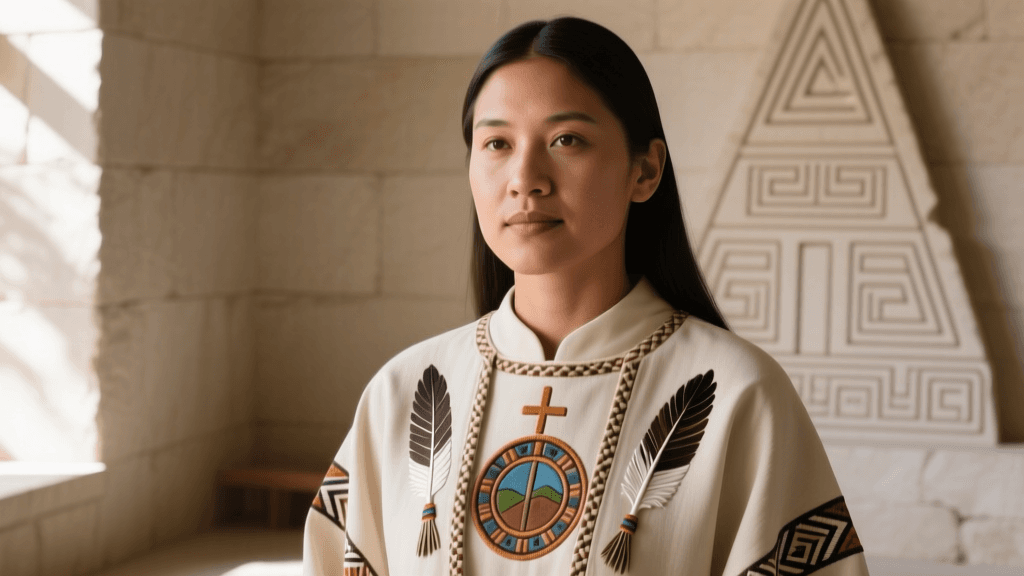
Within the rich tapestry of religious and traditional clothing across the Americas, few garments carry as much deeply personal, spiritual weight as the temple garments worn by endowed members of The Church of Jesus Christ of Latter-day Saints. Often misunderstood by those outside the faith, these sacred vestments are far more than mere undergarments; they are profound symbols of faith, covenants, and spiritual protection. As we move through 2026, the intersection of these sacred garments with the diverse cultural identities of the Americas—particularly among Indigenous Latter-day Saints—offers a fascinating study in how ancient religious commitments adapt to modern climates, textiles, and cultural expressions.
The Theological Foundation of Sacred Vestments
To understand the cultural significance of the temple garment, one must first look to its theological roots. The practice of wearing sacred clothing is not unique to Latter-day Saints; it echoes ancient Abrahamic traditions. In the Book of Exodus, specific garments were mandated for the priests of the ancient Israelite temple, designed to signify purity, consecration, and a separation from the profane world. Similarly, the LDS temple garment serves as a physical reminder of the covenants made during the temple endowment ceremony.
According to the General Handbook of The Church of Jesus Christ of Latter-day Saints, the garment represents a commitment to live a righteous life and to honor the covenants made with God. It is worn day and night, serving as a constant, tactile reminder of the wearer's spiritual promises. This continuous physical connection to the divine is a cornerstone of Latter-day Saint identity in the Americas and globally.
Decoding the Symbolism: Marks and Covenants
While the specific details of the temple ceremony are considered sacred and are not discussed casually by faithful members, the general symbolism of the garment's marks is well-documented in authorized church literature and historical archives, such as the Encyclopedia of Mormonism. The garment features specific woven or embroidered marks that serve as mnemonic devices for spiritual principles.
- The Compass: Symbolizes the importance of keeping one's life on the correct spiritual course and avoiding the paths that lead away from divine truth.
- The Square: Represents exactness, honor, and integrity in all dealings with others, reminding the wearer to build their life on a sure foundation.
- The Navel Mark: Often interpreted as a reminder of the need for continuous spiritual nourishment and the eternal nature of the soul.
- The Knee Mark: Symbolizes the importance of prayer, humility, and the willingness to bow before God in reverence.
These marks transform a simple piece of clothing into a wearable sanctuary, allowing the wearer to carry the sanctity of the temple into their daily lives, whether they are navigating the bustling streets of New York City or the rural landscapes of the Navajo Nation.
Indigenous Intersections: Sacred Covenants and Cultural Identity
One of the most compelling aspects of the temple garment in the Americas is how it interacts with Indigenous identities. From the Diné (Navajo) in the Southwestern United States to the Maya in Mesoamerica and the Quechua in the Andes, Indigenous Latter-day Saints face unique cultural and environmental contexts when integrating the garment into their daily lives and traditional dress.
Harmonizing Traditional Regalia and Sacred Modesty
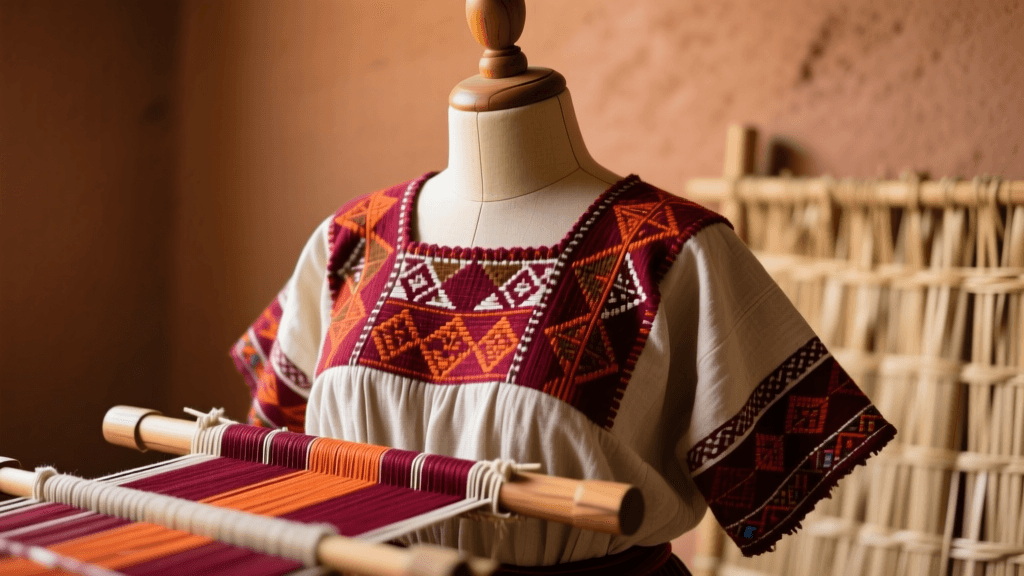
The temple garment dictates a standard of modesty, requiring coverage of the shoulders, midriff, and upper thighs. For Indigenous members who participate in cultural ceremonies, powwows, or traditional community gatherings, this requirement necessitates a thoughtful blending of ancestral pride and religious devotion. A Diné man might wear his sacred garment beneath a traditional velvet shirt and turquoise bolo tie, viewing both as expressions of his identity—one ancestral, one eternal. Similarly, Maya women in Guatemala often wear the huipil, a traditional embroidered tunic. The modesty requirements of the garment align beautifully with the conservative, respectful nature of traditional Indigenous dress, allowing women to honor their cultural textile heritage while maintaining their sacred covenants.
Climate Challenges in the Americas
The geographical diversity of the Americas presents distinct environmental challenges for wearing an additional layer of clothing. In the humid, tropical lowlands of the Petén in Guatemala or the Amazonian basin, wearing traditional heavy cotton garments year-round is physically taxing. Conversely, in the high-altitude regions of the Andes or the freezing winters of the North American plains, thermal regulation is paramount. Recognizing these diverse needs, the Church's distribution network has continually evolved its textile offerings to support a global, diverse membership.
2026 Fabric Innovations: Adapting to Global Climates
In 2026, the textile technology behind LDS temple garments has reached new heights of comfort and functionality. The Church's Distribution Services now offers a highly specialized range of fabrics designed to meet the specific climatic and lifestyle needs of members across the Americas. The goal is to ensure that the physical burden of wearing the garment never becomes a barrier to spiritual commitment.
| Fabric Type | Best Climate / Use Case | Key Features | 2026 Est. Price (USD) |
|---|---|---|---|
| Traditional Cotton | Temperate climates, everyday wear | Classic feel, durable, breathable natural fiber | $8.50 - $10.00 |
| Modal Blend | Variable climates, office wear | Exceptionally soft, stretchable, resists shrinking | $11.00 - $13.00 |
| Ultra-Light Mesh | Tropical, high-humidity (e.g., Mesoamerica, Florida) | Maximum airflow, rapid moisture evaporation, lightweight | $12.50 - $14.50 |
| Athletic Dri-Fit | Active lifestyles, sports, manual labor | Moisture-wicking, anti-microbial treatment, high stretch | $13.00 - $15.00 |
| Thermal Insulated | High-altitude, extreme cold (e.g., Andes, Northern US) | Fleece-lined interior, heat-retaining, wind-resistant | $14.00 - $16.50 |
These 2026 innovations reflect a deep understanding of the physical realities of the wearer. For an Indigenous farmer working in the humid fields of Central America, the Ultra-Light Mesh is not just a convenience; it is a necessity that allows them to maintain their covenants without suffering from heat exhaustion. The availability of maternity cuts, athletic sleeves, and youth-specific sizing further demonstrates an inclusive approach to religious dress.
Practical Guide: Acquiring and Caring for Garments in 2026
For endowed members, acquiring temple garments is a straightforward process managed exclusively through authorized channels to maintain the sacred nature of the clothing. In 2026, the primary method of acquisition is through the Church Distribution Services online portal or via local distribution centers located near temples and meetinghouses worldwide.
Washing and Maintenance
Caring for the garment is treated with respect, reflecting its sacred purpose. Members are advised to wash the garments separately from other clothing when possible, using mild detergents to preserve the integrity of the modern synthetic blends and the embroidered marks. The 2026 Modal and Dri-Fit blends require cold water washing and low-heat tumble drying to prevent degradation of the moisture-wicking fibers.
Respectful Disposal
When a garment becomes worn, torn, or unwearable, it is not simply thrown into the trash. The established protocol requires members to carefully cut out the sacred marks, which are then destroyed or disposed of privately and respectfully. The remaining fabric, devoid of its sacred symbols, can be discarded or repurposed as regular cloth. This practice ensures that the symbols of the covenants are never treated with disrespect or exposed to public view.
Conclusion
The LDS temple garment is a profound artifact of faith, weaving together ancient theological concepts with the daily lived experiences of millions across the Americas. As we observe the cultural landscape in 2026, the garment stands as a testament to the enduring power of religious covenants. For Indigenous Latter-day Saints, it represents a unique synthesis of ancestral heritage and eternal promises, proving that sacred clothing can adapt to the diverse climates, cultures, and communities of the modern world while retaining its profound spiritual core.