NYC vs LA Garment Districts 2026: Sourcing Indigenous Textiles
The Evolution of American Fashion Hubs in 2026
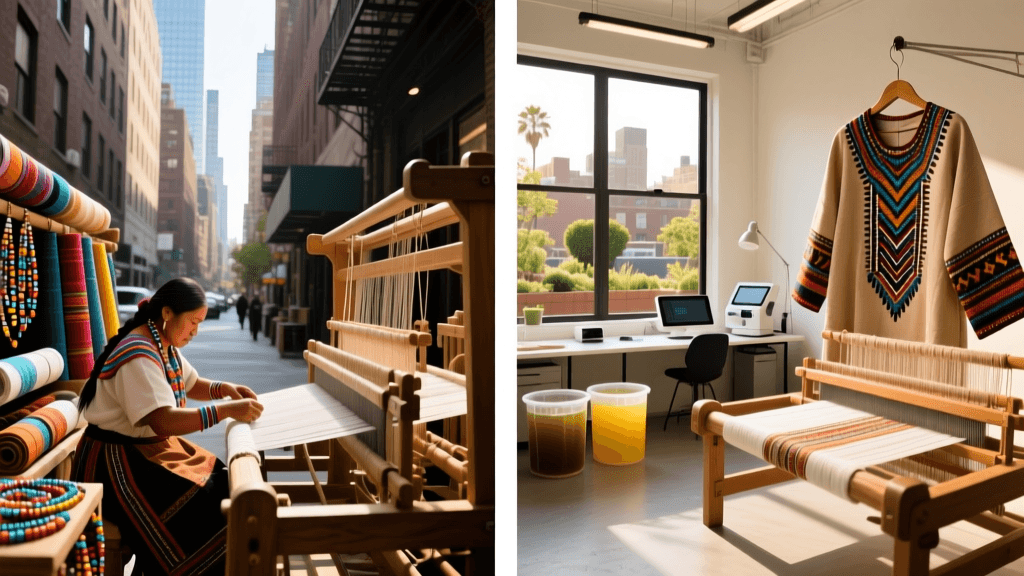
The intersection of American fashion hubs and traditional Indigenous garment creation has undergone a significant transformation. As the demand for authentic, ethically sourced materials for powwow regalia, traditional ribbon shirts, and contemporary Indigenous fashion continues to grow, artisans and designers are re-evaluating how they navigate the nation's premier textile markets. In 2026, both the New York City Garment District and the Los Angeles Fashion District offer distinct advantages for sourcing heritage materials, yet they cater to vastly different design philosophies and cultural traditions. Understanding the nuances of these two major hubs is essential for any creator dedicated to preserving and elevating Indigenous textile arts.
New York City Garment District: Haute Couture and Powwow Regalia
The New York City Garment District, historically anchored between 34th and 42nd Streets in Midtown Manhattan, remains a global epicenter for high-end fashion manufacturing and bespoke textile sourcing. In 2026, the district has successfully balanced its rich heritage with modern sustainability initiatives, making it an invaluable resource for Indigenous designers and traditional artisans. For creators focusing on powwow regalia and ceremonial garments, the district offers unparalleled access to specialized, high-quality materials. Stores like Mood Fabrics on West 37th Street carry extensive inventories of premium silks, cotton broadcloths, and fine wools that are absolutely essential for traditional ribbon shirt and ribbon skirt appliqué. The precision required for intricate ribbon work demands fabrics with a tight weave and minimal fraying, and NYC's premium textile houses consistently deliver this exacting quality.
Furthermore, the NYC Garment District is a premier destination for sourcing the specialized synthetic and natural materials required for contemporary dance regalia. Spandex House, a long-standing staple in the district, provides the specialized four-way stretch fabrics necessary for the dynamic, high-impact movements of jingle dress and fancy shawl dancers. When it comes to beadwork, while many artisans order directly from Indigenous-owned suppliers, NYC's trim and embellishment stores offer bulk access to foundational materials like artificial sinew, heavy-duty backing leathers, and specialized beading needles. For those working with traditional hides and buckskin, the leather suppliers clustered around the district and the nearby Lower East Side provide ethically tanned leathers, crucial for moccasin making and traditional leather garment construction. According to Save the Garment Center, the 2026 push to preserve local manufacturing has also led to a resurgence in small-batch, ethical cutting and sewing rooms that are increasingly collaborating with Indigenous fashion brands to produce ready-to-wear collections that respect traditional motifs and construction methods.
Los Angeles Fashion District: Mesoamerican Weaves and Southwestern Wool
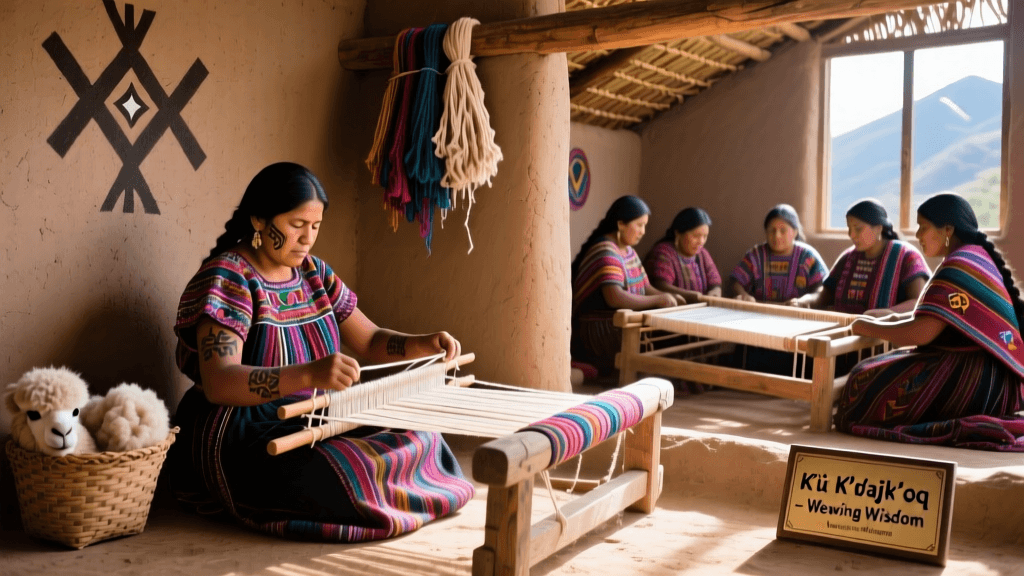
Conversely, the Los Angeles Fashion District, sprawling across nearly 100 blocks in Downtown LA, offers a vastly different sourcing experience that is deeply intertwined with Latin American and Southwestern Indigenous textile traditions. In 2026, LA remains the undisputed hub for importing and distributing Mesoamerican and Andean textiles, making it a critical destination for designers exploring the intersection of Indigenous heritage and contemporary streetwear or resort wear. The California Market Mart and the surrounding wholesale showrooms are home to numerous importers specializing in authentic Oaxacan cottons, naturally dyed yarns, and heavy-weight blanket wools reminiscent of traditional Navajo-Churro weavings.
For artisans and designers seeking vibrant, culturally significant textiles, the Santee Alley and the adjacent wholesale corridors provide access to heavily embroidered fabrics, rebozo-style fringed materials, and woven serape textiles. However, navigating the LA Fashion District in 2026 requires a discerning eye for authenticity. While the district is a treasure trove of raw materials, it is also saturated with mass-produced, counterfeit tribal prints. Savvy Indigenous designers use LA primarily to source base materials—such as heavy-duty denim for contemporary Indigenous workwear, bulk cottons for huipil-inspired garments, and specialized hardware for leathercraft—while strictly avoiding the appropriation-heavy novelty prints. The official LA Fashion District association has recently implemented stricter vendor guidelines to help buyers identify legitimate importers of authentic South American and Mesoamerican artisanal textiles versus factories producing unauthorized cultural knock-offs. Additionally, LA's extensive network of cut-and-sew manufacturers is highly adept at handling heavy textiles and denim, making it the ideal hub for producing durable, everyday garments inspired by Indigenous workwear traditions.
Head-to-Head Comparison: NYC vs. LA Sourcing
| Feature | NYC Garment District | LA Fashion District |
|---|---|---|
| Primary Heritage Focus | Plains/Woodlands regalia, ribbon work, haute couture | Mesoamerican weaves, Southwestern wool, streetwear |
| Best For Regalia Supplies | Four-way stretch, premium broadcloth, specialized trims | Heavy blanket wools, natural dyes, embroidered cottons |
| Minimum Order Quantities | Low MOQs; retail-friendly for independent artisans | High MOQs in showrooms; low MOQs in Santee Alley |
| Price Point | Premium to Luxury | Wholesale to Mid-Range |
| Transit & Accessibility | Highly walkable, excellent subway access | Sprawling, requires rideshare or Metro, limited parking |
Ethical Sourcing and Indigenous Intellectual Property
Sourcing materials for Indigenous garments carries a profound ethical responsibility. The line between cultural appreciation and appropriation is heavily policed by Indigenous communities and legal frameworks alike. The Indian Arts and Crafts Act makes it illegal to offer or display for sale any art or craft product in a manner that falsely suggests it is Indian-produced, an Indian product, or the product of a particular Indian tribe. While this act primarily protects finished goods, the ethical ethos extends deeply into the sourcing of raw materials. In 2026, leading Indigenous fashion councils strongly advise designers to avoid purchasing pre-printed fabrics featuring sacred geometries, tribal names, or restricted ceremonial motifs from non-Indigenous wholesalers in either NYC or LA.
Instead, the focus should be on sourcing high-quality, blank base materials—such as premium wools, silks, and leathers—and applying traditional techniques like beadwork, quillwork, or ribbon appliqué themselves, or collaborating directly with Indigenous artisans. When purchasing textiles that originate from Indigenous communities globally, such as Andean alpaca weaves or Mayan brocades, buyers must ensure they are purchasing from certified fair-trade importers who provide direct economic benefits to the weaving cooperatives. Both NYC and LA host specialized showrooms that provide transparent supply chain documentation, a feature that has become standard industry practice in 2026 to ensure ethical compliance and community support.
Actionable Logistics for the 2026 Sourcing Trip
Planning a successful sourcing trip in 2026 requires strategic logistics and an understanding of local market rhythms. In New York City, the Garment District is best navigated on foot, with Tuesday through Thursday being the optimal days for wholesale inquiries and showroom visits. Many high-end fabric houses now require digital appointments for wholesale accounts, though retail floors remain accessible for independent artisans purchasing smaller yardages. Shipping from NYC to the rest of the Americas is expedited via major Northeast freight corridors, making it ideal for designers based on the East Coast or in Canada who require rapid turnaround times for bespoke commissions.
In Los Angeles, the sheer scale of the Fashion District necessitates the use of rideshares or the Metro system, as parking is notoriously difficult and expensive. The Santee Alley is open seven days a week and caters heavily to retail and small-batch buyers. While digital payments have become ubiquitous in 2026, carrying cash can still provide better negotiation leverage in smaller, family-owned import shops. LA's proximity to major Pacific shipping ports means that imported textiles from Central and South America often arrive here first, giving West Coast designers a seasonal advantage in accessing the newest harvests of natural fibers and artisanal weaves before they reach the broader North American market.