2026 Guide: Indigenous Textile Sourcing in NYC & LA
The Evolution of American Fashion Hubs in 2026
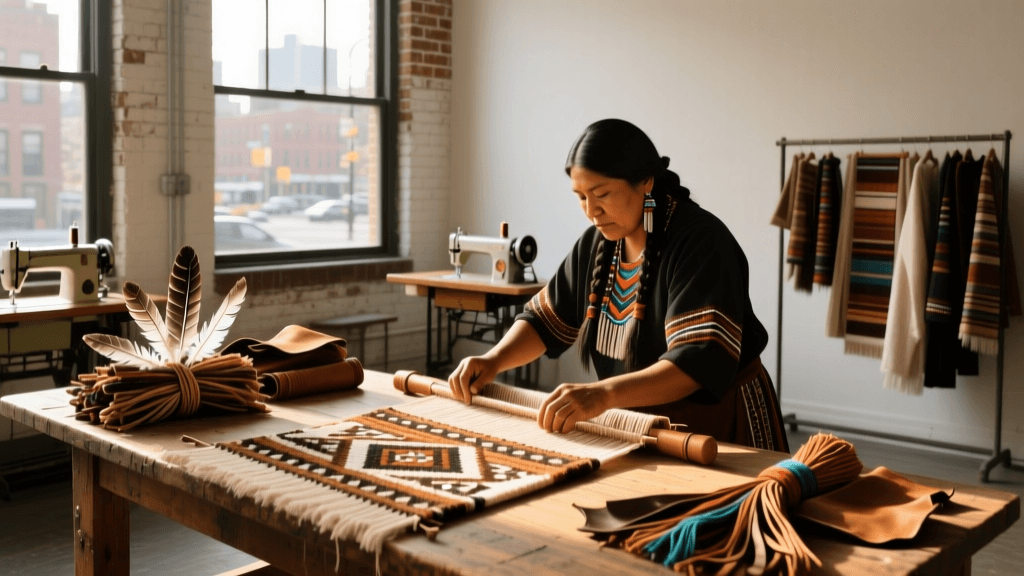
The intersection of traditional Indigenous garment making and modern American fashion hubs has reached a pivotal moment in 2026. As Native American, First Nations, and Latin American Indigenous designers continue to reclaim their narratives within the broader fashion industry, the demand for authentic, high-quality, and culturally significant textiles has surged. The New York City Garment District and the Los Angeles Fashion District remain the twin epicenters of North American textile sourcing. However, navigating these sprawling urban markets requires specialized knowledge, particularly for artisans seeking materials for traditional regalia, ribbon shirts, powwow dance outfits, and contemporary Indigenous streetwear.
In 2026, both districts have undergone significant transformations. Driven by stringent new sustainability mandates and a post-pandemic restructuring of commercial real estate, the modern garment district is leaner, greener, and more specialized. For Indigenous designers and traditional garment makers, this means that finding the right broadcloth, calico, glass beads, and sustainable wools requires a strategic approach. This comprehensive guide explores how to navigate the NYC and LA garment districts in 2026 to source materials that honor traditional craftsmanship while meeting the demands of modern design.
New York City Garment District: Broadcloth, Beads, and Regalia Bases
Located in Midtown Manhattan, roughly between 34th and 42nd Streets, the NYC Garment District has historically been the beating heart of American fashion manufacturing. According to the Save the Garment Center initiative, the district has recently pivoted toward preserving specialized, small-batch manufacturing and sustainable textile incubators. For Indigenous artisans, NYC remains the premier destination for heavy wools, specialized beadwork supplies, and high-end trims used in traditional and ceremonial garments.
Sourcing Melton Wool and Stroud Cloth Equivalents
Traditional Navajo (Diné) biil dresses, Plains-style ribbon skirts, and Métis capotes rely heavily on dense, high-quality wools like Melton and historic Stroud cloth. While authentic 19th-century Stroud cloth is a rare antique, modern equivalents and premium Melton wools can be sourced from legacy fabric houses on West 38th and West 39th Streets. In 2026, top-tier jobbers in this corridor offer eco-dyed, heavyweight wools (20oz to 24oz per yard) that provide the necessary drape and durability for traditional winter garments and powwow shawls. Buyers should look for showrooms specializing in outerwear and theatrical textiles, as they are most likely to stock the vivid, colorfast reds, blacks, and royal blues essential to Indigenous design palettes.
The Beadwork and Trim Corridors
Beadwork is a foundational element of North American Indigenous regalia. While many artisans order directly from international manufacturers, NYC’s garment district houses several specialized trim and bead distributors that cater to the theater and haute couture industries. These shops carry premium Japanese glass seed beads (Miyuki and Toho), Czech fire-polished beads, and synthetic sinew that are crucial for intricate floral and geometric beadwork. Sourcing in person allows artisans to test the color consistency and hole sizes of the beads, ensuring they are compatible with traditional loom and peyote stitch techniques.
Los Angeles Fashion District: Calico, Ribbon, and Sustainable Cottons
Spanning over 100 blocks in Downtown Los Angeles, the LA Fashion District is a sprawling, vibrant maze of showrooms, jobbers, and open-air markets. It is the undisputed capital of casual wear, denim, and imported cottons. For Indigenous designers focusing on ribbon shirts, Cherokee tear dresses, jingle dance regalia, and everyday traditional wear, LA offers an unparalleled selection of lightweight cottons, calicos, and satin ribbons.
Calico and Floral Prints for Ribbon Shirts
The Native American ribbon shirt, a staple of pan-Indigenous formal and ceremonial wear, relies on striking, contrasting fabrics and high-quality satin ribbons. The LA Fashion District, particularly along Maple Avenue and 9th Street, is packed with importers carrying thousands of variations of calico and small-scale floral prints. In 2026, the market has seen a massive influx of organic and sustainably farmed cottons from Latin America, appealing to eco-conscious Indigenous designers. When sourcing for ribbon shirts, artisans should seek out 100% cotton poplins or broadcloths with a crisp hand, ensuring the fabric holds the sharp pleats and geometric appliqué work required for the garment's structure.
Satin Ribbons and Jingle Dress Materials
The creation of traditional ribbon skirts and appliqué jackets requires vast quantities of colorfast satin ribbon. LA’s trim wholesalers operate on a volume basis, making it cost-effective for designers producing capsule collections or outfitting entire dance troupes. Additionally, the district's metallic fabric importers are the go-to source for the specialized, lightweight metallic fabrics and rolled jingles (or the raw materials to craft them) used in Ojibwe jingle dresses. The 2026 LA Textile Show, held bi-annually at the California Market Center, has also begun featuring dedicated showcases for Indigenous-owned textile mills and sustainable dye houses, making it a must-attend event for serious buyers.
2026 Sourcing Comparison: NYC vs. LA
| Feature | NYC Garment District | LA Fashion District |
|---|---|---|
| Primary Focus | Heavy wools, haute couture trims, specialized beads, theatrical fabrics. | Cottons, calicos, denim, satin ribbons, sustainable casual wear textiles. |
| Best For | Winter regalia, beadwork supplies, Métis capotes, high-end contemporary Indigenous fashion. | Ribbon shirts, jingle dresses, everyday traditional wear, large-batch ribbon sourcing. |
| 2026 MOQ Trends | Higher MOQs (50-100 yards) for premium wools; cuttable jobbers available at a premium. | Low MOQs (10-20 yards) common; open-air markets allow single-roll purchases. |
| Transit & Logistics | Walkable but dense; shipping via local couriers is highly efficient. | Sprawling; requires a vehicle or cart rentals; shipping hubs are immediately adjacent. |
Ethical Sourcing and Avoiding Cultural Appropriation
As Indigenous aesthetics continue to influence global fashion trends, the risk of encountering appropriated, mass-produced "Native-inspired" prints in major garment districts remains high. In 2026, ethical sourcing is not just a moral imperative; it is a legal and cultural necessity. Indigenous designers and allies must be vigilant about avoiding counterfeit textiles that mimic sacred patterns or plagiarize the work of specific Native artists.
The Indian Arts and Crafts Board provides stringent guidelines regarding the marketing and sale of Native American arts and crafts. While the Indian Arts and Crafts Act primarily governs finished goods, the ethical principles extend to textile sourcing. When purchasing prints, verify the origin of the design. Many LA and NYC showrooms now carry collections designed by verified Indigenous artists who license their work to major mills. Look for hangtags and digital watermarks that certify the textile is part of an authorized Indigenous collaboration. Furthermore, prioritize purchasing raw materials (solid broadcloths, plain ribbons, un-dyed wools) to create your own traditional appliqué and beadwork, thereby ensuring the final garment is a product of authentic cultural expression rather than appropriated manufacturing.
Actionable Tips for Your 2026 Sourcing Trip
- Time Your Visit Around Market Weeks: Both NYC and LA host seasonal market weeks. While these events draw massive crowds, they also prompt showrooms to release new inventory and offer competitive pricing on sample cuts. In 2026, the spring and fall textile shows are the optimal times to secure sustainable cottons and eco-dyed wools.
- Bring Physical Swatches and Color Cards: Lighting in dense urban showrooms can distort colors. When sourcing specific shades of red or yellow crucial to traditional clan colors or specific tribal designs, always bring physical reference swatches and view fabrics in natural daylight near the showroom windows.
- Negotiate Sample Cuts: Many traditional garment makers do not require the 100-yard minimums demanded by fast-fashion brands. Build relationships with jobbers and ask for "sample cuts" or "memos." In 2026, many NYC showrooms have dedicated sample-cut departments that cater to independent and bespoke designers.
- Verify Sustainability Certifications: With the rise of greenwashing, always ask for physical certificates of authenticity for organic cottons or recycled wools. Look for GOTS (Global Organic Textile Standard) or Oeko-Tex certifications, which are heavily prioritized by modern Indigenous fashion collectives.
- Utilize District Logistics Services: Both districts offer localized, same-day courier services that can transport your heavy rolls of Melton wool or boxes of ribbon directly to your hotel or local studio, saving you the physical strain of navigating crowded sidewalks and public transit with bulk textiles.
Conclusion
The NYC and LA garment districts remain indispensable resources for Indigenous designers and traditional garment makers in 2026. By understanding the unique strengths of each hub—from the heavyweight wools and beadwork supplies of Manhattan to the vibrant calicos and ribbons of Downtown Los Angeles—artisans can source the highest quality materials for their craft. As the fashion industry continues to evolve toward sustainability and ethical production, Indigenous makers are uniquely positioned to lead the charge, blending ancestral knowledge with modern, responsible sourcing practices to ensure their traditional garments endure for generations to come.