Peking Opera Costumes: Sourcing Xingtou For Festivals
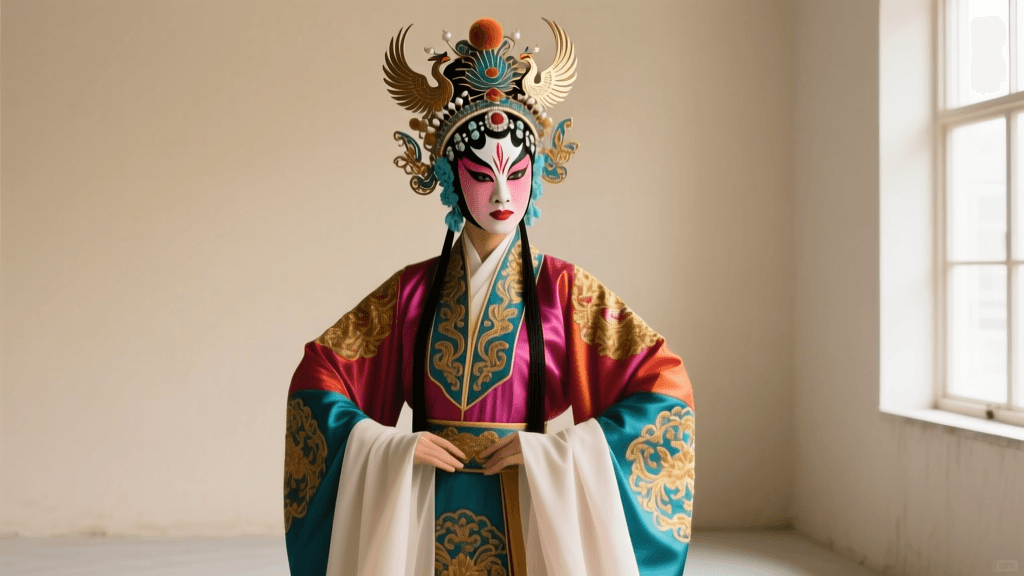
The Magic of Xingtou: From Stage to Street Festivals
When attending a Lunar New Year parade, a Mid-Autumn cultural gala, or a traditional temple fair, the vibrant, sweeping garments of Chinese performers immediately command attention. These are not merely clothes; they are Xingtou (行头), the highly stylized and symbolic costumes of Peking Opera (Jingju). Originally designed to be visible to audiences sitting far from the stage in dimly lit teahouses, Xingtou has transcended the theater to become a staple of Asian cultural festivals worldwide.
According to UNESCO's Intangible Cultural Heritage registry, Peking Opera is a comprehensive art form where costume, makeup, and movement are inextricably linked. The Xingtou wardrobe does not aim for historical accuracy; rather, it operates on a strict system of visual codes that communicate a character's social status, personality, and moral alignment. For modern festival organizers, cultural troupes, and performance artists, understanding these codes is essential for sourcing the right garments, managing budgets, and ensuring authentic representation during public celebrations.
Decoding the Wardrobe: Key Garments for Festival Performances
The Xingtou wardrobe is vast, but it can be distilled into a few primary categories. When commissioning or renting costumes for a festival, you must match the garment to the specific role and the practical demands of the event.
1. Mang (Python Robe)
The Mang is the highest-ranking ceremonial robe, worn by emperors, generals, and high officials. Despite the name, it features intricate embroidery of dragons (with four claws, distinguishing it from the five-clawed imperial long). For festival parades, the Mang provides a massive visual footprint. The robe is cut wide and straight, featuring a water-resistant silk or satin base heavily embroidered with gold and silver couching. It is typically paired with a jade belt and thick platform boots to elevate the performer's stature.
2. Kao (Armor)
Worn by martial generals, the Kao is a masterpiece of structural costume design. It consists of a front and back panel, shoulder pads, and sometimes four triangular flags attached to the back, known as kaoqi. The armor is heavily padded and decorated with velvet appliques, metal studs, and tiger or dragon motifs. For outdoor festivals, the Kao is highly dramatic but requires a performer with significant core strength to manage the weight and wind resistance of the flags.
3. Zhezi (Informal Robe)
The Zhezi is a versatile, informal robe with a slanted collar. It is worn by scholars, merchants, and everyday characters. Because it is lighter and less restrictive than the Mang or Kao, the Zhezi is highly recommended for festival street dances or interactive cultural booths where performers need mobility to engage with the crowd.
4. Yunjian (Cloud Shoulder)
Primarily worn by female roles (Dan), the Yunjian is an ornate, cape-like accessory that drapes over the shoulders. It is heavily fringed and embroidered with floral or avian motifs. It is an excellent, cost-effective addition to a festival wardrobe, as it can instantly elevate a simple silk dress into a formal, aristocratic ensemble.
Color Symbolism in Festival Contexts
When sourcing Xingtou for cultural festivals, color choice is paramount. The traditional palette carries deep cultural weight:
- Red: Symbolizes loyalty, heroism, and festive joy. Red Mang robes are the most popular choice for Lunar New Year lion dances and opening ceremonies.
- Yellow: Represents imperial power and the sacred. Often reserved for lead performers portraying deities in temple fair parades.
- Black: Denotes integrity, boldness, and martial prowess. Frequently used by martial arts troupes and drum ensembles.
- White: On the traditional stage, white often signifies treachery or mourning. In modern festival settings, pure white is usually avoided for joyous events unless heavily stylized with silver embroidery to denote celestial or ethereal themes.
Sourcing Authentic Xingtou: A Buyer’s Guide
Sourcing genuine Xingtou requires navigating the distinction between stage-grade theatrical wear and mass-produced novelty costumes. Authentic opera garments are primarily crafted in Suzhou (famous for Su Xiu embroidery) and Beijing (specifically around the Liulichang cultural district).
For professional festival troupes, machine-embroidered garments made from high-grade polyester-silk blends offer the best balance of durability, visual impact, and cost. However, for heritage exhibitions, VIP galas, or lead performers, hand-embroidered pure silk garments utilizing traditional panjin (gold thread couching) are unmatched in their luminous quality under stage and parade lighting.
'The art of Xingtou is not merely in the stitching, but in the movement it dictates. A true opera robe is incomplete until it is animated by the performer's breath and gesture.' — Traditional Suzhou Theatrical Tailoring Proverb
Festival Sourcing Guide: Xingtou Garments
The following table provides actionable data for festival directors and costume buyers to plan their budgets and timelines effectively.
| Garment Type | Material & Craftsmanship | Average Cost (USD) | Lead Time | Best Festival Use Case |
|---|---|---|---|---|
| Mang (Python Robe) | Machine-embroidered poly-silk blend | $180 - $350 | 3 - 5 Weeks | Lunar New Year parades, grand openings |
| Mang (Python Robe) | Hand-embroidered pure silk (Su Xiu) | $1,800 - $4,500 | 3 - 6 Months | Heritage exhibitions, lead stage roles |
| Kao (Armor with Flags) | Velvet applique, metal studs, canvas base | $450 - $900 | 6 - 8 Weeks | Martial arts troupes, temple fair guards |
| Zhezi (Informal Robe) | Lightweight satin, minimal embroidery | $80 - $150 | 2 - 3 Weeks | Street performers, interactive booths |
| Yunjian (Cloud Shoulder) | Silk base with beading and fringe | $120 - $250 | 4 Weeks | Dance troupes, female ensemble casting |
Measurements, Fitting, and the Art of Water Sleeves
Unlike Western tailoring, which relies on precise body contouring, traditional Xingtou is designed with a 'one-size-fits-most' philosophy. The garments are cut wide and straight, relying on inner padding, sashes, and belts to shape the performer's silhouette. However, specific measurements are still critical when commissioning custom pieces.
Key Measurements Required:
- Shoulder to Hem: Measure from the base of the neck to the ankle bone. Standard Mang robes are typically 130cm to 140cm long, but platform boots must be factored in.
- Sleeve Length (Base): Measure from the shoulder seam to the wrist. The seam is intentionally dropped to allow for expansive arm movements.
- Water Sleeves (Shuixiu): These are the white silk extensions attached to the cuffs. For traditional stage performances, water sleeves add 18 to 24 inches beyond the wrist. Actionable Advice: For outdoor street festivals, request modified 10-inch water sleeves. Standard stage sleeves will drag on the pavement, collect dirt, and pose a tripping hazard in crowded parade routes.
Securing the garment is an art form in itself. Performers must be trained in tying the Kua (a wide, stiffened silk belt) to cinch the waist and create the heroic, broad-shouldered silhouette required for martial and noble roles.
Outdoor Adaptations: Managing Wind and Elements
Stage costumes are designed for controlled indoor environments. When adapting Xingtou for outdoor Asian cultural festivals, practical modifications are necessary. The flags on the back of a Kao (armor) act like sails in the wind. Festival armorers often insert flexible wire frames into the flagpoles or add lead weights to the bottom corners of the robe to prevent the wind from blowing the garment over the performer's head. Furthermore, the thick platform boots (houzai) used on stage should be swapped for flat, rubber-soled theatrical boots for parades to ensure safety on uneven pavement.
Preservation: Caring for Silk and Velvet on the Road
Festival tours are grueling on delicate textiles. Xingtou garments, especially those featuring metallic thread couching, should never be dry-cleaned using standard chemical processes, as the solvents will strip the gold and silver foil. Instead, spot clean with a damp microfiber cloth and mild silk detergent. After a festival performance, garments must be aired out completely to remove sweat before being folded. Always fold the garments with acid-free tissue paper between the layers to prevent the metallic threads from snagging the silk base. Store them in breathable canvas garment bags, never plastic, which traps moisture and promotes mildew.
Conclusion
Integrating authentic Peking Opera costumes into modern cultural festivals bridges the gap between ancient theatrical traditions and contemporary community celebrations. By understanding the symbolic language of the Xingtou, sourcing from reputable artisans, and adapting the garments for outdoor practicality, festival organizers can create breathtaking, culturally resonant experiences. As noted in Britannica's comprehensive guide to Peking Opera, the visual splendor of the costume is the audience's first point of contact with the narrative, making it an indispensable investment for any serious cultural performance.