Peking Opera Costumes: Guide to Traditional Xingtou
The Soul of Jingju: Understanding Xingtou
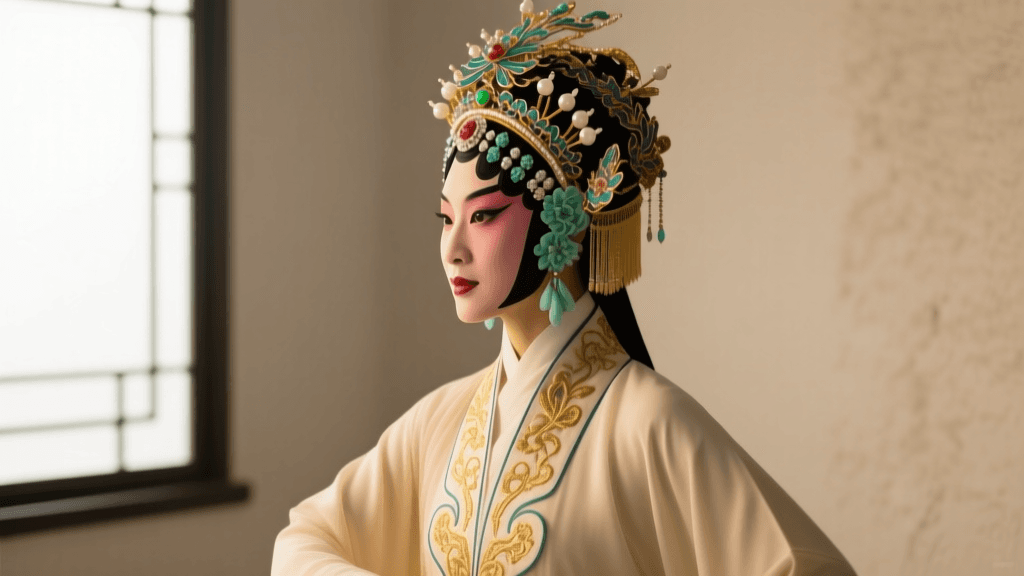
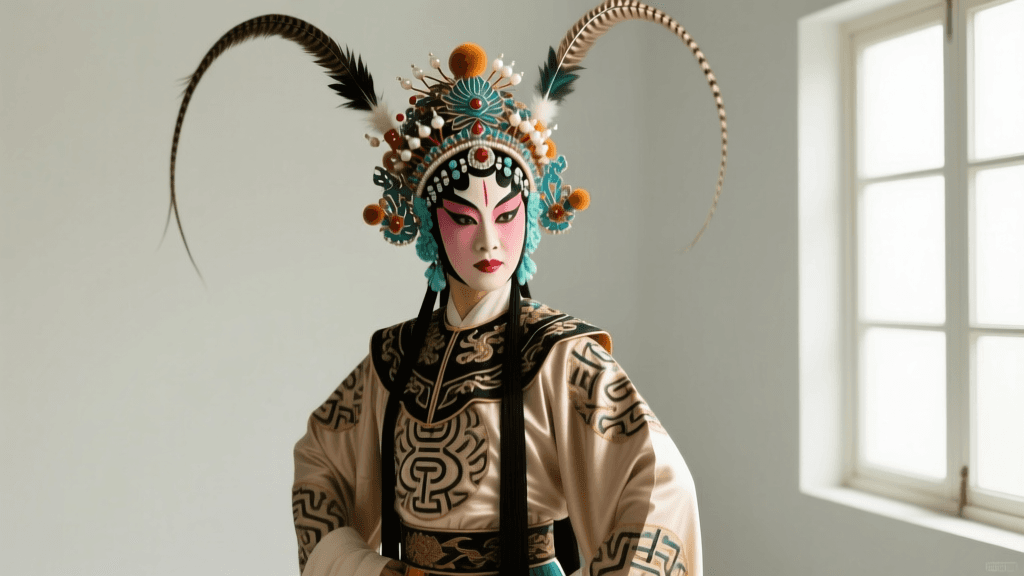
Peking Opera, or Jingju, is a spectacular synthesis of music, vocal performance, mime, dance, and acrobatics that has captivated audiences for centuries. Recognized by UNESCO as an Intangible Cultural Heritage of Humanity, its visual impact relies heavily on Xingtou (行头), the collective term for the elaborate opera costumes and wardrobe. Unlike historical Hanfu, which aimed for dynastic accuracy, Xingtou is a theatrical abstraction designed to convey character, status, and emotion from the back row of a grand theater or across a vibrant festival parade.
For modern performers, cultural festival organizers, and traditional garment enthusiasts, understanding the mechanics, sourcing, and wearability of Xingtou is essential. This guide breaks down the core categories of Peking Opera costumes, the meticulous craftsmanship involved, and provides actionable advice for commissioning or purchasing these garments for performance and festival use.
The Four Pillars of the Peking Opera Wardrobe
According to Britannica's comprehensive overview of Peking Opera, the costumes are strictly codified by color and style to instantly communicate a character's identity to the audience. The wardrobe is broadly divided into four main categories:
1. Mang (蟒) - The Python Robe
Reserved for emperors, high-ranking officials, and nobility, the Mang is a sweeping, round-collared robe adorned with python or dragon motifs. The color dictates the rank: bright yellow is exclusively for the emperor, while red, purple, and black denote high ministers and generals. The robe features shuixiu (water sleeves) and is worn with a jade belt.
2. Kao (靠) - The Warrior Armor
The Kao is the most visually complex and physically demanding costume, worn by generals and martial characters. It consists of a front and back panel, shoulder guards, and heavily embroidered leg flaps. The most striking feature is the kaoqi, a set of four triangular flags attached to the back, which amplify the actor's movements during acrobatic combat sequences. A variation, the ruankao (soft armor), omits the flags for characters engaging in close-quarters stealth or rapid tumbling.
3. Xuezi (褶子) - The Informal Robe
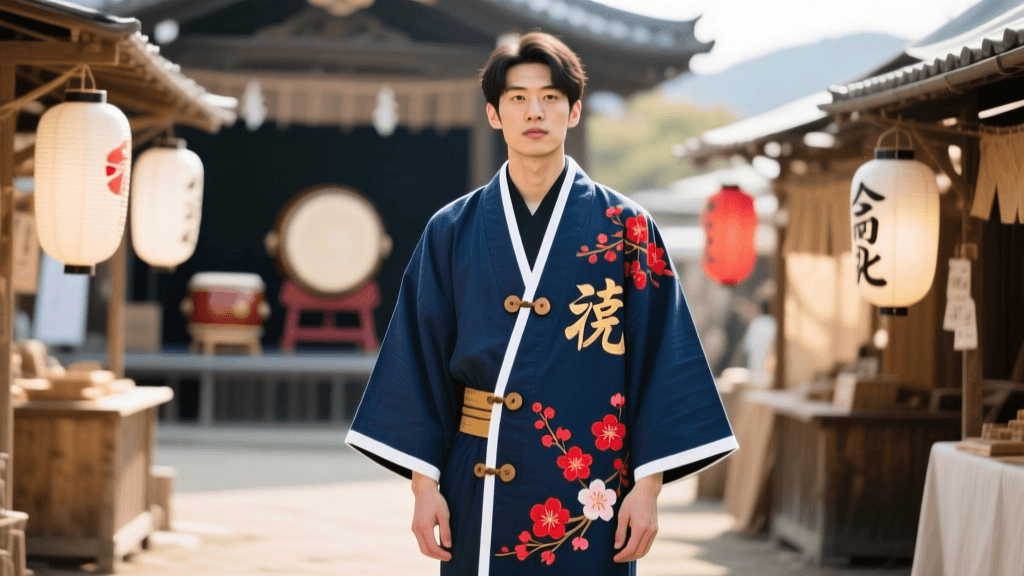
The Xuezi is the most versatile garment in the Xingtou wardrobe. It is a cross-collared, wide-sleeved robe worn by scholars, commoners, and officials in informal settings. A black Xuezi with minimal embroidery often represents a poor scholar or a character in mourning, while brightly colored, heavily floral-embroidered versions denote wealthy, romantic leads.
4. Pei (帔) - The Formal Loungewear
Worn by noble men and women in domestic or court settings, the Pei is a knee-length, center-buttoned jacket with wide sleeves. It is often color-coordinated between husbands and wives on stage to signify marital harmony. The embroidery typically features cranes, peonies, or lotus flowers, symbolizing longevity and purity.
Xingtou Garment Comparison Chart
When selecting a costume for a festival or performance, it is crucial to understand the physical demands and logistical requirements of each garment type.
| Garment Type | Target Role / Status | Average Weight | Movement Restriction | Approx. Festival Cost (USD) |
|---|---|---|---|---|
| Mang | Emperors, High Officials | 3 - 5 kg | Moderate (requires sweeping, gliding steps) | $250 - $600 |
| Kao | Generals, Martial Warriors | 8 - 15 kg (with flags) | High (requires intense core strength) | $400 - $1,200+ |
| Xuezi | Scholars, Commoners | 1 - 2 kg | Low (allows for running, kneeling, weeping) | $120 - $300 |
| Pei | Nobility, Married Couples | 2 - 3 kg | Low to Moderate | $180 - $450 |
The Craftsmanship: Suzhou Embroidery and Gold Couching
Authentic Xingtou is a masterpiece of textile art. Traditional garments are crafted using Su Xiu (Suzhou embroidery), renowned for its fine silk threads and split-stitch techniques that create a smooth, painted effect. For royal and martial garments, artisans employ panjin (gold couching), a technique where gold-wrapped threads are laid flat on the silk and stitched down with fine silk floss. This creates a raised, three-dimensional texture that catches the stage lights brilliantly.
"The costume does not merely dress the actor; it dictates the actor's soul, posture, and movement. To wear the Kao is to carry the weight of an army on your shoulders." — Traditional Jingju Wardrobe Master
For modern festival use, machine-embroidered poly-satin is frequently used to reduce costs and improve durability against weather and sweat, though it lacks the luminous depth of hand-embroidered silk.
Practical Guide: Sourcing and Commissioning Xingtou
Whether you are outfitting a cultural parade, a university theater production, or a heritage festival, procuring the right Xingtou requires precise planning. Here is an actionable guide to commissioning and purchasing these garments.
1. Essential Measurements
Opera costumes are not tailored to fit the body tightly; they are designed to drape and flow. However, specific structural measurements are non-negotiable:
- Shoulder Width: Crucial for the Kao armor to ensure the shoulder guards do not droop or restrict arm elevation.
- Sleeve Length (to wrist): Determines the attachment point for the shuixiu (water sleeves).
- Chest and Waist Circumference: Measured over the thickest undergarments (padding is often used to create a commanding stage presence).
- Inseam and Foot Length: Required for houdi (thick-soled boots), which can add 2 to 4 inches of height and require precise balancing.
2. Timing and Lead Times
- Bespoke Hand-Embroidered Silk: 4 to 6 months. Master embroiderers in Suzhou or Beijing require extensive time to complete the gold couching and complex motifs.
- Performance-Grade Machine Embroidery: 3 to 5 weeks. Sourced from specialized theatrical tailors in Beijing or Shanghai.
- Off-the-Rack Festival Polyester: 1 to 2 weeks. Available from online heritage apparel vendors, though sizing and motif accuracy may vary.
3. Cost Breakdown
- Museum/Heirloom Quality (Silk, Hand-Embroidered): $3,000 to $8,000+ per set. Ideal for cultural institutions and lead theatrical roles.
- Professional Stage Grade (Silk/Satin Blend, Mixed Embroidery): $800 to $2,000. The standard for touring opera troupes.
- Festival/Parade Grade (Polyester, Machine-Embroidered): $150 to $400. Best for large festival groups, dancers, and photography.
Dressing the Part: Undergarments and Accessories
The visual impact of Xingtou is incomplete without its supporting elements. The shuixiu (water sleeves) are extensions of white silk or habotai attached to the cuffs of the Mang, Xuezi, and Pei. For beginners and festival performers, a sleeve length of 18 to 24 inches is recommended to prevent tripping. Professional opera actors utilize sleeves up to 36 inches long, requiring years of wrist and forearm conditioning to execute the tou (flick), yang (raise), and shuai (throw) techniques that convey weeping, anger, or joy.
Footwear is equally critical. Male officials and warriors wear houdi (thick-soled boots) with white uppers and black velvet soles. The soles are made of compressed cotton and paper, layered to create a rigid, elevated platform. When purchasing, ensure the boot's ankle is heavily padded to prevent sprains during the stylized, heel-to-toe walking gait required in Jingju.
Caring for Heritage Garments
Xingtou garments are rarely washed in water, as this destroys the structural integrity of the embroidery and the stiffening agents used in the collars and cuffs. Instead, professional wardrobe masters use a combination of airing, spot-cleaning with specialized solvents, and gentle brushing. After a festival or performance, the garments must be hung on wide, padded wooden hangers in a climate-controlled environment to prevent the metallic threads from tarnishing and the silk from dry-rotting. For festival-grade polyester garments, a gentle cold-water hand wash is permissible, but they must be air-dried flat to maintain the shape of the shoulder pads.
Conclusion
Peking Opera costumes are far more than mere clothing; they are wearable architecture and kinetic art. By understanding the distinct roles of the Mang, Kao, Xuezi, and Pei, and by carefully considering the practicalities of measurements, materials, and movement, performers and festival organizers can honor the rich legacy of Jingju. Whether draped in hand-couched silk or vibrant festival poly-satin, the Xingtou continues to bring the vibrant mythology and history of traditional Chinese culture to life on the global stage.