Peking Opera Costumes: Buying and Wearing Jingju Attire
The Visual Language of Jingju Stage Wardrobes
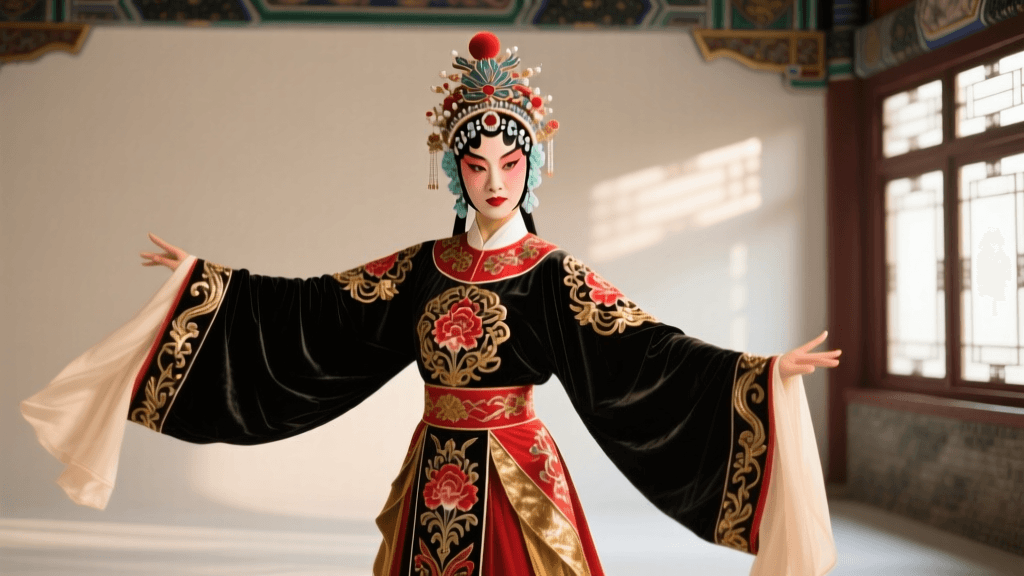
Peking Opera, known in Chinese as Jingju, is a cornerstone of traditional Chinese cultural heritage. Recognized globally for its vibrant aesthetics, stylized movements, and intricate vocal techniques, the art form relies heavily on its visual storytelling. As noted by UNESCO, which inscribed Peking Opera on the Representative List of the Intangible Cultural Heritage of Humanity, the performance is a synthesis of music, dance, and martial arts, where costumes serve as an immediate visual code for the audience. The garments, collectively referred to as xingtou (stage wardrobe), are not merely historical reproductions; they are highly stylized, exaggerated theatrical tools designed to communicate a character's social status, personality, and moral alignment from the moment they step onto the stage.
For amateur performers, cultural festival organizers, and theater enthusiasts, acquiring and wearing authentic Peking Opera costumes requires a deep understanding of traditional craftsmanship, precise sizing, and stage practicality. According to Britannica, the role types in Peking Opera—Sheng (male), Dan (female), Jing (painted face), and Chou (clown)—each dictate specific wardrobe rules that have been codified over centuries. This guide provides actionable advice on navigating the world of Jingju attire, from understanding the four main garment categories to taking precise measurements for custom orders.
The Four Pillars of the Peking Opera Wardrobe
The traditional Peking Opera wardrobe is broadly classified into four main categories, each serving a distinct narrative purpose. Understanding these categories is essential before commissioning or renting a costume for a festival or stage performance.
1. Mang (The Python Robe)
The Mang is the most formal and prestigious garment in the Jingju wardrobe, reserved for emperors, high-ranking officials, and nobility. It features a round collar, wide sleeves, and is heavily embroidered with python motifs (which have four claws, distinguishing them from the five-clawed imperial dragons). The Mang is typically worn with a jade belt and features shuixiu (water sleeves) that extend up to 60 centimeters beyond the hands, allowing for expressive, fluid movements during emotional arias.
2. Kao (The Armor)
Worn by military generals and warriors, the Kao is a highly stylized, ornate suit of armor. Unlike historical battlefield armor, the stage Kao is made of richly embroidered silk and satin, adorned with metallic threads, sequins, and mirrors to catch the stage lights. A defining feature of the Kao is the kaoqi, a set of four triangular flags attached to the back, which exaggerate the wearer's silhouette and require immense core strength and specialized training to manipulate during martial arts sequences.
3. Pei (The Informal Robe)
The Pei is a versatile, center-opening robe worn by scholars, officials, and noblewomen in casual or domestic settings. It features a cross-collar or center-front closure and is often embroidered with subtle, elegant motifs like cranes, plum blossoms, or bamboo. For the Dan (female) roles, the Pei is often paired with a pleated skirt and an elaborate headdress, providing a graceful silhouette for walking and seated scenes.
4. Xue (The Casual Wear)
The Xue is the simplest and most common garment, worn by lower-ranking officials, scholars in distress, or commoners. It is typically made of plain or lightly patterned silk, featuring a cross-collar and narrow sleeves (without water sleeves). The simplicity of the Xue allows the actor's facial expressions and physical comedy to take center stage, particularly for the Chou (clown) roles.
Actionable Guide: Sizing, Purchasing, and Rentals
Acquiring a Peking Opera costume requires careful planning. Standard Western ready-to-wear sizing does not apply to traditional Chinese theater garments, which are designed to drape loosely over multiple layers of padding and undergarments. Whether you are outfitting a university theater troupe or preparing for a cultural heritage festival, use the following comparison chart to budget and plan your acquisition.
| Garment Type | Target Role | Average Weight | Custom Purchase Cost (USD) | Festival Rental Cost (USD) |
|---|---|---|---|---|
| Mang (Python Robe) | Emperors, High Officials | 3.5 - 5.0 kg | $1,200 - $3,500 | $150 - $250 / day |
| Kao (Armor with Flags) | Military Generals | 8.0 - 12.0 kg | $1,800 - $4,500 | $200 - $350 / day |
| Pei (Informal Robe) | Scholars, Noblewomen | 1.5 - 2.5 kg | $600 - $1,500 | $80 - $150 / day |
| Xue (Casual Wear) | Commoners, Lower Officials | 0.8 - 1.2 kg | $250 - $600 | $40 - $80 / day |
Essential Measurements for Opera Costumes
When ordering from a theatrical tailor in Beijing, Shanghai, or Suzhou, you must provide specific traditional measurements. Do not rely on standard S/M/L charts. Provide the following metrics in centimeters:
- Yi Chang (Garment Length): Measured from the prominent vertebra at the base of the neck down to the floor. For robes like the Mang, the garment must graze the top of the foot to hide the thick-soled boots.
- Xiu Chang (Sleeve Length): Measured from the shoulder seam to the wrist, plus the desired length of the water sleeve. A standard water sleeve adds 40 to 60 cm to the total sleeve measurement.
- Xiong Wei (Chest Circumference): Measured around the fullest part of the chest. Add 10-15 cm to this measurement to account for the shuiyi (water garment) and chest padding worn underneath.
- Yao Wei (Waist Circumference): Crucial for the placement of the jade belt and the tying of the inner sashes, measured at the natural waistline.
Preparing for Festivals and Amateur Performances
Wearing a Peking Opera costume for a cultural festival or amateur performance is a physically demanding endeavor. The Victoria and Albert Museum highlights that the sheer volume and weight of Chinese theatrical textiles require specific physical preparation and layering techniques to ensure the performer remains safe and the garment maintains its structural integrity.
The Art of Layering and Undergarments
Never wear a silk opera costume directly against the skin. The dyes and heavy metallic embroidery can cause irritation, and stage lights will induce heavy sweating. You must wear a shuiyi (water garment), a lightweight, breathable cotton tunic and trousers designed to absorb moisture and protect the outer silk layers. For performers wearing the heavy Kao armor, a quilted cotton shoulder pad is essential to prevent the rigid flag poles and heavy silk from bruising the collarbones.
Footwear: The Thick-Soled Boots
Male roles, particularly Sheng and Jing, require hou (thick-soled boots). These boots feature wooden or compressed paper soles that can add 5 to 10 centimeters in height, elevating the actor's stature and altering their center of gravity. Actionable Tip: Purchase and practice walking in your opera boots at least six weeks before your festival performance. Ankle sprains are the most common injury among amateur opera performers due to the unstable nature of the thick soles during martial stances.
Timing Your Acquisition
Authentic, hand-embroidered Suzhou silk opera costumes are made to order. If you are commissioning a custom Mang or Kao for a major cultural event, you must place your order at least 3 to 4 months in advance. The embroidery alone can take hundreds of hours. For amateur troupes on a budget, renting from established theatrical suppliers in Chinatown districts or university theater departments is highly recommended, but ensure you reserve the garments at least 2 months prior to your event date.
Care, Maintenance, and Storage
Peking Opera costumes are significant financial investments and delicate works of textile art. Proper maintenance ensures they survive for generations.
- Cleaning: Never machine wash or dry clean a fully embroidered Mang or Kao. The metallic threads will tarnish, and the silk will warp. Spot clean only with a damp cloth and mild silk detergent. For deep cleaning, consult a specialist textile conservator.
- Water Sleeve Care: After every use, the shuixiu (water sleeves) must be detached (if designed with snaps) or carefully folded. They should be washed separately in cold water, ironed on a low silk setting while slightly damp, and rolled rather than folded to prevent permanent creases.
- Storage: Store garments flat in acid-free tissue paper inside a climate-controlled cedar chest. Never hang a heavy Kao or Mang on a standard hanger, as the weight of the embroidery will tear the shoulder seams over time. Use padded, wide-shoulder hangers if vertical storage is absolutely necessary, and stuff the sleeves with acid-free paper to maintain their shape.
Conclusion
The wardrobe of Peking Opera is a masterclass in symbolic design and textile engineering. Whether you are a theater director sourcing authentic garments for a stage production, or a cultural organizer planning a vibrant festival exhibition, respecting the traditions of the xingtou is paramount. By understanding the distinct roles of the Mang, Kao, Pei, and Xue, taking precise traditional measurements, and adhering to strict maintenance protocols, you ensure that the magnificent legacy of Jingju continues to captivate audiences worldwide.