Kimono Travel Essentials 2026: What To Pack & Wear
The Renaissance of Personal Kimono Travel in 2026
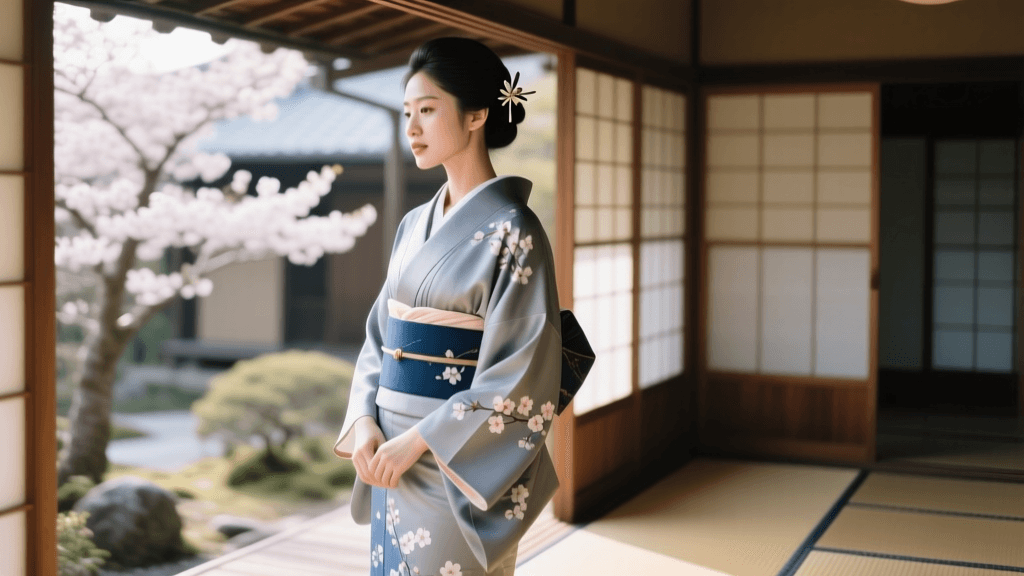
As global travel embraces sustainable and immersive cultural experiences in 2026, the traditional Japanese kimono has transcended its role as a mere rental souvenir. For dedicated enthusiasts of Asian traditions and slow travel, bringing a personal kimono or yukata to Japan is the ultimate way to connect with the country's textile heritage. The modern traveler no longer relies solely on crowded tourist rental shops; instead, they are curating their own wardrobes, blending historical elegance with contemporary travel convenience.
Navigating Japan in a kimono requires a delicate balance of historical respect, practical packing, and an understanding of modern infrastructure. Whether you are wandering through the preserved streets of Kanazawa or attending a summer festival in Tokyo, this comprehensive 2026 guide will ensure your kimono travel experience is seamless, respectful, and unforgettable.
Why Bring Your Own Kimono in 2026?
The post-pandemic tourism boom has fully stabilized into a new era of high-volume travel by 2026. Consequently, popular kimono rental districts in Kyoto and Asakusa often face immense crowds, with wait times for dressing services sometimes exceeding two hours during peak seasons. By bringing your own garment, you reclaim your time and ensure a perfect, personalized fit that mass-market rentals simply cannot provide.
Furthermore, the secondary market for vintage and modern washable kimonos has exploded globally. Travelers are increasingly sourcing high-quality silk komon or breathable polyester yukatas before their trips, allowing them to participate in the sustainable fashion cycle. Wearing your own garment also allows for deeper interactions with locals, who often recognize and appreciate the effort required to properly assemble a personal kimono outfit.
The Ultimate Kimono Packing Checklist
Packing a kimono requires more than just folding the main garment. The beauty of the kimono lies in its layers and accessories. Below is the essential packing list for a complete, travel-ready kimono outfit, optimized for the modern traveler.
| Garment / Accessory | Japanese Term | Function | 2026 Travel Hack |
|---|---|---|---|
| Main Garment | Kimono / Yukata | The primary outer robe. | Pack a wrinkle-resistant polyester blend for easy hotel room ironing. |
| Undergarment | Juban / Hadajuban | Protects the kimono from sweat and provides collar structure. | Use a modern 'beauty collar' (erikore) to keep the neckline crisp without tying. |
| Waist Ties | Koshihimo | Thin cords used to secure the kimono and juban at the waist. | Pack stretchy, velcro-fastened koshihimo to save time and reduce bulk. |
| Obi Sash | Obi (Hanhaba or Nagoya) | The wide belt that secures the outfit. | Pre-tie a hanhaba obi using an obi-ita (belt plate) and pack it flat. |
| Obi Accessories | Obijime & Obiage | Decorative cord and silk scarf that finish the obi knot. | Choose silicone obijime for non-slip security during long walking days. |
| Socks | Tabi | Split-toe socks worn with traditional footwear. | Bring stretch-jersey tabi for comfort on uneven stone paths. |
| Footwear | Zori / Geta | Traditional sandals. | Pack lightweight EVA-foam zori to reduce luggage weight and foot fatigue. |
Packing Techniques for Silk and Cotton
If you are traveling with authentic silk garments, rolling is generally preferred over folding to prevent hard creases. Use acid-free tissue paper between the layers of your silk kimono, and place it in a dedicated, breathable cotton wrapping cloth (tatoushi). For summer travel, a lightweight cotton yukata is highly recommended, as it requires fewer under-layers and can be easily hand-washed in a hotel sink and air-dried overnight.
Top Destinations for Kimono Wandering in 2026
While the iconic Higashiyama district in Kyoto remains a staple, the 2026 travel landscape encourages visitors to explore decentralized, less congested locations that offer equally stunning backdrops for traditional garments.
Kyoto: Beyond the Crowds
Instead of battling the dense pedestrian traffic of Ninenzaka and Sannenzaka, head to the Daigo-ji Temple complex in southern Kyoto. Its sprawling grounds, weeping cherry trees (in spring), and vibrant autumn foliage provide a serene, expansive backdrop for silk kimonos. Another excellent alternative is the Shugakuin Imperial Villa area, where the quiet, tree-lined residential streets offer a sophisticated, understated aesthetic perfect for elegant komon patterns.
Kanazawa: The Little Kyoto
Kanazawa has solidified its reputation as a premier destination for traditional arts. The Higashi Chaya District is beautifully preserved, featuring wooden latticed teahouses. Unlike Kyoto, Kanazawa's tourism board has implemented excellent crowd-flow management, making it much easier to capture unobstructed photographs. Renting a traditional Kanazawa-style umbrella (wagasa) from a local boutique adds an authentic regional touch to your ensemble.
Tokyo: Retro Valleys and Urban Oases
For a blend of nostalgia and nature, Tokyo's Yanaka Ginza offers a retro, mid-century streetscape that pairs beautifully with casual, vintage-patterned kimonos. For a nature escape, the Todoroki Valley in Setagaya provides a lush, forested ravine just a short train ride from the city center. The dappled sunlight filtering through the canopy creates a magical atmosphere for summer yukata photography.
Sourcing Travel-Friendly Kimonos
If you did not bring a garment from home, Japan's secondhand markets in 2026 are treasure troves for high-quality, affordable textiles. Stores like Chicago in Shimokitazawa (Tokyo) or the various Recyclist shops in Kyoto offer vintage silk kimonos for as little as 3,000 to 5,000 yen. These shops categorize garments by size and condition, making it easy to find a travel-friendly piece that you can wear during your trip and take home as a meaningful, sustainable souvenir.
Navigating Modern Transit and Etiquette
Wearing a kimono in modern Japan requires adapting historical garments to contemporary infrastructure. Understanding both the physical mechanics of moving in a kimono and the cultural etiquette surrounding it is paramount.
Mastering the Transit System
Japan's public transportation network is incredibly efficient, but navigating turnstiles in a kimono requires mindfulness. Keep your smartphone's digital IC card (such as Suica or PASMO) ready before approaching the gates to avoid fumbling with long sleeves. When riding escalators, gently gather your sleeves in one hand to prevent them from brushing against the handrails or getting caught. On crowded trains, hold your obi knot slightly to the side to avoid bumping into other passengers, a common courtesy practiced by local kimono wearers.
Respecting Cultural Etiquette
The most critical rule of kimono wearing is the collar orientation: the left side must always overlap the right side. As noted in comprehensive guides on Japanese etiquette and manners, reversing this (right over left) is strictly reserved for dressing the deceased for funerals. Ensuring your collar is correct is the most fundamental sign of respect for the culture.
Additionally, maintain good posture. The kimono is designed to be worn with a straight back and slightly tucked chin, which naturally restricts large, sweeping movements. When sitting, smooth the back of your kimono down first, and sit shallowly on chairs to prevent the obi from becoming crushed or uncomfortable. For a deeper understanding of how traditional garments fit into the broader cultural context, resources detailing traditional Japanese clothing provide excellent foundational knowledge before your trip.
Embracing the Slow Travel Movement
Traveling with a kimono in 2026 is more than a fashion statement; it is an exercise in mindfulness. The process of dressing, the deliberate pace of walking in zori, and the heightened awareness of your surroundings force you to slow down and absorb the nuances of your environment. By carefully packing your essentials, choosing mindful destinations, and respecting the deep-rooted traditions of the garment, your journey through Japan will be a profoundly enriching celebration of Asian heritage.