Hanfu Family Ceremonies 2026: Birth, Wedding & Rites Guide
The 2026 Hanfu Revival: From Streetwear to Sacred Milestones
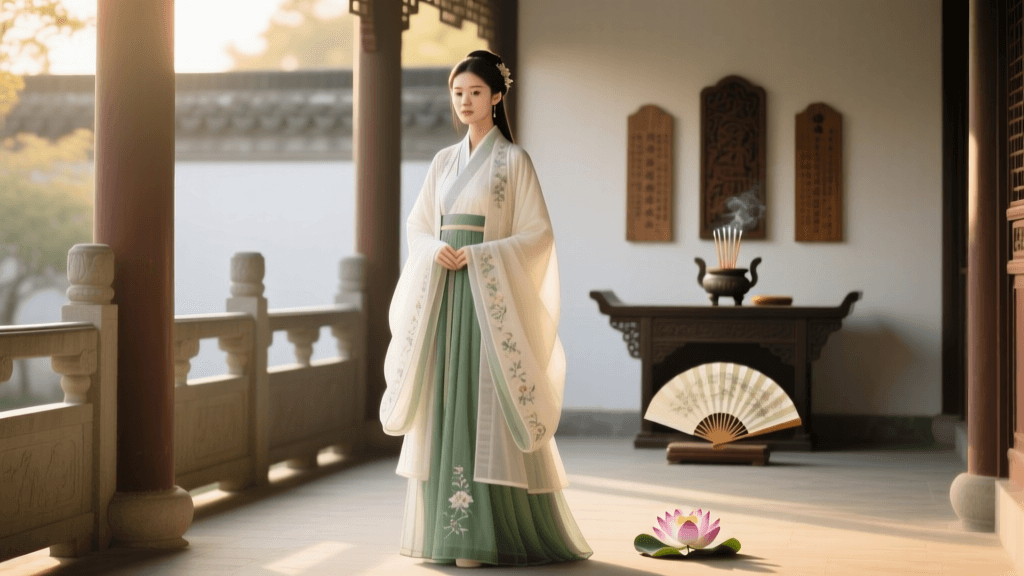
The modern Hanfu movement has evolved far beyond casual streetwear and social media trends. As we navigate 2026, traditional Chinese clothing is experiencing a profound renaissance, deeply integrating into the most sacred family milestones. For the global Chinese diaspora and cultural enthusiasts alike, donning Hanfu is no longer just a fashion statement; it is a profound reclamation of heritage. According to cultural analyses by Smithsonian Magazine, the desire to connect with ancestral roots through tangible textiles has driven a massive surge in bespoke ceremonial garments. This comprehensive guide explores the appropriate styles, modern textile innovations, and strict etiquette required for three major life events: birth ceremonies, traditional weddings, and ancestral rites.
Birth and 'Hundred Days' (Bai Ri) Ceremonies
In Chinese tradition, the first hundred days of a baby's life (Bai Ri) mark a critical milestone of survival and blessing. In 2026, parents are increasingly turning to historically accurate, yet highly sustainable, Hanfu styles to celebrate this occasion, blending ancient symbolism with modern pediatric safety standards.
Infant Attire: Symbolism and Sustainable Textiles
For the infant, the focus is on protective motifs and ultra-soft, hypoallergenic fabrics. The traditional Hutoumao (tiger-head hat) and Hutouxie (tiger-head shoes) remain essential in 2026. The tiger is revered as the king of beasts, capable of warding off evil spirits and protecting the vulnerable child. While historically made from stiff brocades, 2026 iterations utilize organic lotus-fiber blends and bamboo-silk. These eco-friendly textiles offer natural temperature regulation and antibacterial properties, crucial for a baby's sensitive skin. Infants are typically wrapped in a Baozi (traditional swaddle) featuring embroidered motifs of peonies for wealth and lotuses for purity, dyed using non-toxic, plant-based indigo and madder root.
Parental Attire: Song Dynasty Elegance
Parents hosting the Bai Ri banquet require attire that is elegant yet practical for holding and caring for the infant. The Song Dynasty Beizi (a long, parallel-collar overcoat) is the gold standard for 2026 parental attire. Its straight, unrestrictive silhouette allows for ease of movement, while the delicate, narrow sleeves prevent accidental brushing against the baby's face. Mothers often pair a pastel-toned Beizi with a pleated Baidi Qun (hundred-pleat skirt), while fathers may opt for a simplified Lanshan (scholar's robe) in muted earth tones, projecting an aura of scholarly warmth and familial stability.
Traditional Weddings (Hun Li): The Ming Dynasty Standard
When it comes to Hanfu weddings, the Ming Dynasty aesthetic remains the undisputed sovereign of 2026 bridal fashion. The Ming era established strict sumptuary laws that elevated wedding garments to levels of breathtaking opulence, a standard brilliantly documented by The Metropolitan Museum of Art. Modern couples are investing heavily in bespoke Ming-style ensembles that honor these historical silhouettes while incorporating 2026 tailoring technology.
The Bride: Fengguan Xiapei and Mamianqun
The pinnacle of the bridal ensemble is the Fengguan Xiapei (Phoenix Coronet and Cloud Scarf). In 2026, ethical craftsmanship has revolutionized the Fengguan. The traditional use of kingfisher feathers (diancui) has been entirely replaced by masterful dyeing techniques on ethically sourced goose feathers, combined with 3D-printed lightweight resin frameworks that mimic the intricate gold filigree of antiquity without the crushing weight. The coronet is paired with a richly embroidered Xiapei (stole) draped over the shoulders, featuring dragons and phoenixes woven with recycled gold leaf threads.
Below the waist, the bride wears the iconic Mamianqun (horse-face skirt). The 2026 market has seen the introduction of 'smart-silk' weaves that resist wrinkling and maintain the skirt's structural pleats even after hours of sitting and kneeling during the tea ceremony. The skirt's flat front and back panels are heavily embroidered with auspicious symbols like the pomegranate (for fertility) and the mandarin duck (for lifelong fidelity).
The Groom: Yuanlingpao and Wusha Mao
The groom's attire is equally commanding, centered around the Yuanlingpao (round-collar robe). Typically dyed in deep crimson or auspicious navy, the robe features a胸前 (chest) and 背后 (back) rank badge (Buzi) adapted for wedding use, often depicting a Qilin or a pair of cranes to symbolize longevity and nobility. The groom's headwear, the Wusha Mao (black gauze cap) or the more festive red silk scholar's cap, is meticulously fitted using AI-assisted cranial scanning apps, a 2026 bespoke tailoring innovation that ensures perfect comfort during the lengthy ceremonial bows.
Ancestral Rites (Ji Zu): Solemnity and Respect
Ancestral worship, particularly during the Qingming (Tomb-Sweeping) and Zhongyuan (Ghost) festivals, demands an entirely different sartorial approach. As highlighted by cultural correspondents at BBC Travel, the Hanfu community places immense emphasis on the solemnity of ritual dress. Flashy colors, excessive embroidery, and ostentatious accessories are strictly forbidden during Ji Zu.
Appropriate Styles and Colors
The most historically and spiritually appropriate garment for ancestral rites is the Shenyi (deep garment), a one-piece robe that wraps the body in modesty and respect. The Shenyi is constructed from exactly twelve fabric panels, symbolizing the twelve months of the year and the cyclical nature of life and death. The collar is round to represent heaven, while the hem is square to represent the earth, embodying the Confucian ideal of cosmic harmony.
In 2026, the preferred textiles for Ji Zu are unbleached hemp-cotton blends and raw silk. The color palette is strictly restrained: deep navy, charcoal, stark white, or undyed natural beige. Embroidery, if present at all, is limited to tone-on-tone threading along the hems, featuring subtle motifs like the pine tree (endurance) or the plum blossom (resilience in hardship).
Etiquette and Posture
Wearing Hanfu for ancestral rites also requires strict adherence to traditional etiquette. The Zuoyi (hand-folding salute) must be performed correctly. For auspicious events, men place their left hand over their right, and women place their right over their left. However, during solemn mourning or certain strict ancestral observances, this is reversed for men (right over left) to signify the somber nature of the yin energy associated with the departed. Posture must remain upright, and the wide sleeves of the Shenyi should be kept neatly folded or held together when bowing before the ancestral tablets.
2026 Sourcing, Budgeting, and Tailoring
Acquiring ceremonial Hanfu in 2026 is a highly structured process, with the market divided between heritage ateliers in Suzhou and Hangzhou, and modern global rental services. Bespoke tailoring requires significant lead times due to the hand-embroidery and custom loom weaving involved. Below is a comparative breakdown of what families should expect when budgeting for these milestones in 2026.
| Ceremony Type | Primary Garment Style | 2026 Bespoke Cost (USD) | Tailoring Lead Time |
|---|---|---|---|
| Birth (Bai Ri) | Song Beizi & Lotus-Blend Wraps | $150 - $450 | 3 - 5 Weeks |
| Wedding (Hun Li) | Ming Fengguan Xiapei & Mamianqun | $1,800 - $5,500 | 4 - 8 Months |
| Ancestral (Ji Zu) | Shenyi & Hemp-Cotton Blends | $250 - $700 | 4 - 6 Weeks |
For families living outside of Asia, 2026 has brought remarkable advancements in remote tailoring. Reputable ateliers now utilize standardized smartphone LiDAR scanning to capture precise body measurements, ensuring that the drape of a Mamianqun or the shoulder fit of a Yuanlingpao is flawless upon international delivery. When commissioning these pieces, it is vital to communicate the specific ceremonial intent to the tailor, as the placement of seams, the direction of pleats, and the choice of lining colors carry deep historical and spiritual weight.
Conclusion
Dressing in Hanfu for family ceremonies is a profound act of cultural continuity. Whether wrapping a newborn in protective lotus silk, exchanging vows beneath the weight of a Ming dynasty phoenix coronet, or bowing in quiet hemp robes before ancestral altars, the garments we choose anchor our modern lives to the deep, enduring currents of Asian tradition. By understanding the historical context and embracing the sustainable innovations of 2026, families can honor their heritage with both authenticity and grace.