Kimono Travel Essentials 2026: Packing Guide & Where to Wear
The Evolution of Kimono Travel in 2026
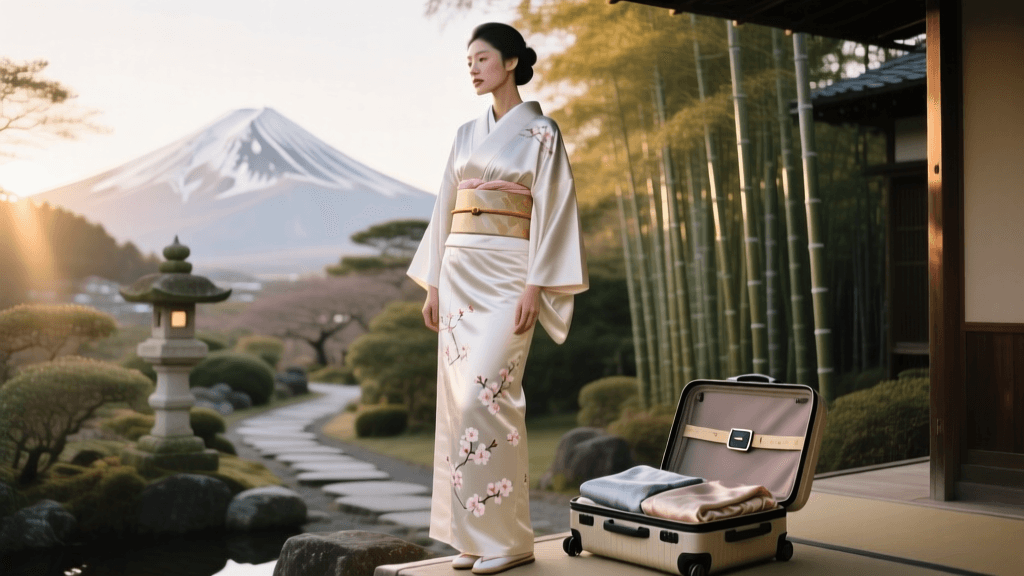
Traveling to Japan in 2026 offers an unprecedented opportunity to immerse yourself in living textile history. While the post-pandemic travel boom saw millions flocking to rental shops for quick, polyester kimono experiences, the 2026 travel landscape has shifted dramatically toward 'slow travel' and deep cultural appreciation. Today's discerning travelers and textile enthusiasts are increasingly curating their own travel wardrobes, bringing personal vintage silk garments or investing in high-end, modern washable silks to wear while exploring the country. However, traveling with traditional Japanese garments requires meticulous planning. From navigating the delicate nature of vintage silk to understanding the nuances of modern transit etiquette, preparing a kimono travel wardrobe is an art form in itself. This comprehensive guide will walk you through exactly what to pack, how to protect your textiles, and the most breathtaking locations to wear your kimono in 2026.
Curating Your 2026 Kimono Travel Wardrobe
When selecting garments for a multi-city Japanese itinerary, versatility and comfort are paramount. The traditional hierarchy of kimono formality dictates what you should pack. For daytime sightseeing, cafe hopping, and temple visits, the komon (everyday kimono with repeating patterns) is your most reliable choice. In 2026, there has been a massive resurgence in the popularity of arau-shiruku (washable silk) among international travelers. These modern textiles offer the luxurious drape and breathability of traditional silk but can withstand the rigors of travel, unexpected rain showers, and the humidity of the Japanese summer.
If you are traveling during the warmer months, packing at least one high-quality yukata (cotton summer kimono) is essential. Unlike formal silk, yukata can be tightly rolled, easily washed in a hotel sink, and dries overnight in a climate-controlled room. For evening dining or attending a traditional theater performance, consider packing a single tsukesage or houmongi (semi-formal to formal visiting wear), though be mindful that these require more rigorous care and professional cleaning upon your return home.
Undergarments and Climate Control
Japan's climate in 2026 continues to see intensely humid summers and crisp, dry winters. The foundation of your kimono is just as important as the outer garment. Pack at least two juban (under-kimonos). For summer, opt for ro or sha (woven gauze) fabrics that allow maximum airflow. For winter, a lined cotton or silk juban provides essential insulation. Do not forget the susoyoke (half-slip) and hadajuban (undershirt), which protect your valuable outer silk garments from skin oils and perspiration, significantly reducing the need for dry cleaning while on the road.
Essential Accessories: The Complete Packing Checklist
A kimono cannot be worn without its intricate network of accessories. Forgetting a single component can render your entire outfit unwearable. Below is the essential packing checklist tailored for a two-week trip to Japan, balancing authenticity with travel practicality.
| Item | Quantity | Material Recommendation for Travel | Packing Method |
|---|---|---|---|
| Komon / Yukata | 2 to 3 | Washable silk, linen, or high-grade cotton | Rolled with acid-free tissue |
| Nagoya Obi | 2 | Silk brocade or woven linen (pre-folded) | Flat in a dedicated obi sleeve |
| Obijime (Cord) | 3 | Braided silk or synthetic blend | Coiled in a small zip pouch |
| Obiage (Sash) | 3 | Silk crepe (chirimen) | Rolled tightly inside the obi |
| Tabi Socks | 4 pairs | Cotton stretch blend with reinforced soles | Flat-packed in shoe compartment |
| Zori Sandals | 1 pair | Vinyl or woven rush with adjustable hanao | Stuffed with tissue, placed in a dust bag |
| Koshihimo (Tying sashes) | 4 | Elastic or soft cotton (avoid stiff silk) | Rolled and tucked into gaps |
| Datejime (Wide ties) | 2 | Elastic velcro-closure (magic datejime) | Flat against the suitcase wall |
Mastering the Art of Packing Silk
The most common mistake travelers make is applying standard Western folding techniques to Japanese garments. The traditional hon-datami folding method creates sharp, rectangular creases that are beautiful for storage in a cedar drawer but disastrous for travel, as these creases will set into hard wrinkles when compressed in a suitcase. According to guidelines from The Metropolitan Museum of Art's textile conservation department, silk proteins are highly susceptible to permanent damage and fiber breakage when subjected to prolonged pressure along sharp fold lines.
The Rolling Technique for Travel
Instead of folding, utilize the rolling method. Lay your kimono face down on a clean surface. Place sheets of acid-free tissue paper across the back of the garment to prevent dye transfer and provide a buffer. Gently roll the kimono from the hem up to the collar, keeping the roll loose enough to prevent stress on the seams but tight enough to save space. Place the rolled garments in breathable cotton drawstring bags. Never use plastic dry-cleaning bags, as they trap moisture and can cause mildew or yellowing, especially in Japan's humid climate.
For your obi, use a dedicated, elongated obi bag. If you must pack it in a standard suitcase, lay it flat at the very top of your luggage or fold it only once along its natural, pre-existing seam, padding the fold with a soft t-shirt to prevent a hard crease.
Where to Wear Your Kimono in 2026: Scenic and Cultural Hotspots
Wearing a kimono in Japan is a deeply rewarding experience, but choosing the right location enhances both your comfort and your photography. In 2026, several major heritage sites have updated their pedestrian infrastructure, making them more accessible for traditional footwear, while others are undergoing necessary seismic retrofitting.
Kyoto: Beyond the Crowds
While the Higashiyama district remains iconic, the narrow streets leading to Kiyomizu-dera are currently navigating extensive 2026 urban renewal and scaffolding projects. For a more serene and photogenic experience, head to Shoren-in Monzeki. This 13th-century temple offers sprawling moss gardens, massive camphor trees, and wide, paved pathways that are gentle on zori sandals. Another exceptional choice is the Daigo-ji temple complex in the southern part of the city, which offers expansive grounds, fewer crowds, and a deeply spiritual atmosphere perfect for a semi-formal komon.
Kanazawa: The Samurai and Geisha Districts
Kanazawa is arguably the best city in Japan for kimono travel in 2026. The city has heavily invested in preserving its Edo-period aesthetics. Stroll through the Higashi Chaya district, where the wooden teahouses provide a stunning backdrop. Afterward, walk the stone-paved paths of the Nagamachi Samurai District. The earthen walls and private gardens here are meticulously maintained, and the relatively flat terrain makes navigating in tabi and zori a breeze. For nature lovers, the adjacent Kenroku-en garden offers seasonal beauty, from winter snow-hanging ropes (yukitsuri) to vibrant autumn maples.
Tokyo: The Yanaka Cultural Heritage Walk
Tokyo is often viewed as a hyper-modern metropolis, but the Yanaka neighborhood retains a distinct shitamachi (old town) charm. In 2026, the local tourism board has finalized the 'Yanaka Cultural Heritage Walk,' a curated route that connects Nezu Shrine with its iconic vermilion torii gates, through traditional craft shops, and ending at the historic Yanaka Cemetery, which is famous for its cherry blossoms and tranquil walking paths. This area is flat, highly pedestrian-friendly, and offers a deeply authentic backdrop for your travel wardrobe.
Navigating Transit and Etiquette
Wearing a kimono while utilizing Japan's world-class public transit requires specific physical adjustments. When boarding the Shinkansen (bullet train), the plush, contoured seats can crush a bulky obi. Before sitting, gently lift the back of your obi and rest it on the top edge of the seat back, or use a small, portable cushion to bridge the gap between your lower back and the seat, preventing the obi from being compressed and losing its shape.
When navigating stairs or steep temple inclines, practice the ochitsuki technique: gently hold the front panels of your kimono together at the thigh with one hand to prevent the hem from dragging or opening inappropriately. For comprehensive details on public behavior and temple etiquette, Japan Guide's comprehensive kimono etiquette resource remains an indispensable digital companion for modern travelers.
Finally, always carry a lightweight, foldable tote bag. Traditional kimono lack pockets, and you will need a secure place to store your smartphone, transit IC card, and handkerchief. By respecting the garments and the culture they represent, your 2026 kimono travel experience will be a profound journey into the heart of Japanese aesthetic tradition.
Final Thoughts on Sustainable Travel
As you prepare for your journey, remember that bringing your own kimono or purchasing vintage pieces from local Japanese thrift markets (such as the famous flea markets at Toji Temple or Yasukuni Shrine) supports sustainable fashion practices. The global appreciation for Japanese textiles continues to grow, and by traveling thoughtfully, you contribute to the preservation of these incredible artisanal traditions. For up-to-date event schedules, local festival dates, and regional weather advisories that may affect your wardrobe choices, always consult the Kyoto City Official Travel Guide and regional tourism boards just before your departure. Safe travels, and may your silk drape beautifully across the landscapes of Japan.