Silk Kimono Travel Guide 2026: Packing & Transport Tips
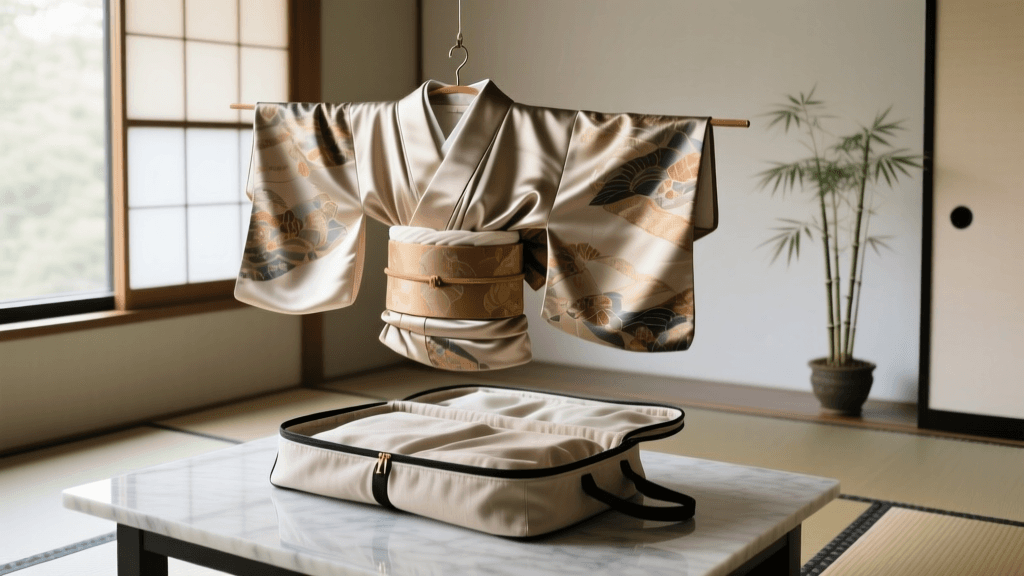
Traveling With Silk: The 2026 Kimono Transport Revolution
As cultural tourism and international heritage events surge in 2026, more enthusiasts are traveling with their own traditional Japanese garments. Whether you are attending a tea ceremony in Kyoto, participating in a global kimono dressing competition, or simply exploring Japan with your personal collection, transporting delicate silk kimono requires meticulous planning. The intricate weaves of chirimen (silk crepe) and rinzu (satin damask) are highly susceptible to humidity, friction, and deep creasing.
Unlike standard Western formalwear, a kimono is not designed to be hung on a hanger for extended periods, nor can it be casually stuffed into a suitcase. In this comprehensive 2026 guide, we explore the modern intersection of traditional tatoushi packing methods and cutting-edge travel gear, ensuring your garments arrive in pristine, wearable condition.
Essential 2026 Packing Gear for Kimono
The foundation of safe kimono transport lies in selecting the right materials. Modern textile preservation has advanced significantly, giving travelers better options than ever before to protect their investments.
- Acid-Free Tatoushi (Storage Paper): Traditional tatoushi is specially sized, breathable paper used to wrap folded kimono. For 2026 travel, always opt for acid-free, archival-quality paper to prevent yellowing and moisture trapping.
- Climate-Regulating Garment Bags: The latest 2026 smart-fabric travel bags feature micro-perforated membranes that allow silk to breathe while blocking external humidity. Avoid plastic dry-cleaning bags, which trap moisture and promote mold growth.
- Silica Gel & Humidity Indicator Cards: Place 2-3 small packets of desiccant silica gel and a color-changing humidity indicator card inside your storage wrap. This is crucial when traveling between drastically different climates, such as flying from a dry winter region to humid tropical destinations.
- Obi Boards and Accessory Pouches: Keep your obi-ita (obi boards), obijime (cords), and kanzashi (hair ornaments) in separate, rigid compartments to prevent them from snagging or indenting the silk fabric during transit.
The Hon-Datami Folding Method for Travel
The standard folding method for kimono is known as hon-datami. This technique aligns the seams perfectly, ensuring that the garment folds into a compact, uniform rectangle (typically measuring about 33cm x 25cm x 5cm). Proper folding distributes the weight of the fabric evenly, preventing stress on the delicate silk threads.
Step-by-Step Travel Folding
- Lay the kimono face down on a clean, dry surface covered with a fresh sheet of tatoushi paper.
- Fold the front panels inward along the natural seam lines.
- Fold the sleeves back, ensuring they do not overlap the main body seams to avoid creating permanent creases.
- Fold the garment in half lengthwise, then fold the bottom hem up to meet the collar.
- Crucial 2026 Travel Tip: Place small, unbleached cotton pads or rolled acid-free tissue paper along the major fold lines. This creates a gentle curve rather than a hard crease, making wrinkle release much easier once you arrive at your destination.
Never use vacuum compression bags for silk kimono. The intense pressure crushes the delicate fibers, flattens the textured weave of chirimen, and ruins the natural drape of the garment.
While the main kimono should be folded, your fukuro obi (formal brocade sash) should be loosely rolled rather than folded. Folding an obi can crack the metallic threads and stiff brocade fibers. Use a dedicated silk-blend obi roll or wrap it loosely around a padded cardboard tube.
In-Transit Strategies: Carry-On vs. Luggage Forwarding
When navigating airports and transit hubs in 2026, you must decide how to physically move your garments. The golden rule of kimono travel is to never check your silk garments in the cargo hold. The extreme temperature fluctuations and potential for lost luggage pose unacceptable risks.
Airline Carry-On Dimensions
Most major international airlines in 2026 permit a standard garment bag as a carry-on or personal item. Opt for a tri-fold kimono garment bag that fits within the standard 55cm x 40cm x 20cm carry-on limits. If flying with a rigid, traditional tansu (wooden storage box), it will need to be checked, so ensure it is locked, padded, and clearly marked as fragile.
Japan's Takuhaibin (Luggage Forwarding) Service
If your destination is within Japan, utilize Takuhaibin (luggage forwarding) services like Yamato Transport. According to the Japan National Tourism Organization, this service is a game-changer for cultural travelers. You can ship your heavy luggage and rigid kimono cases directly from the airport to your ryokan or hotel, allowing you to navigate crowded trains unencumbered. As of early 2026, standard forwarding fees range from 2,200 to 2,800 JPY per piece, a small price to pay for the safety and convenience of avoiding the rush-hour crush with delicate textiles.
On-the-Go Wrinkle Release & Emergency Care
Even with perfect packing, some minor creasing is inevitable. How you handle these wrinkles on the go can mean the difference between a flawless presentation and a ruined garment.
The Hotel Bathroom Steam Technique
The safest, most accessible method for releasing light wrinkles is the bathroom steam technique. Hang the folded kimono on a wide, padded hanger in the bathroom while you take a hot shower. Keep the garment at least two meters away from the direct water spray. The ambient steam will gently relax the silk fibers. Afterward, move the kimono to a well-ventilated, air-conditioned room to dry completely before dressing.
Portable Ionic Steamers
For stubborn creases, 2026 portable ionic steamers are highly effective. Unlike traditional hot irons, which can scorch silk and leave shiny marks, modern handheld ionic steamers use micro-mist and negative ions to relax fibers without direct contact. Always use the lowest heat setting and maintain a distance of at least 5 centimeters from the fabric.
Managing Water Spots and Stains
Silk is notoriously vulnerable to water spots. If you are caught in a sudden rain shower while wearing your kimono, do not rub the fabric. According to textile conservation guidelines from the Victoria and Albert Museum, rubbing wet silk causes fiber distortion and permanent water rings. Instead, gently blot the moisture with a dry, clean microfiber cloth and allow it to air dry naturally. For oil-based stains from dining out, carry a small stick of traditional beni-shio (red salt) or a specialized dry-cleaning sponge designed for delicate textiles to lift the oil before it sets.
2026 Kimono Packing Comparison Chart
Choosing the right packing methodology depends on your specific garment and travel itinerary. Refer to the table below to optimize your packing strategy.
| Packing Method | Best For | Wrinkle Risk | 2026 Gear Recommendation |
|---|---|---|---|
| Hon-Datami Folding | Main Kimono Garments | Low (if padded) | Acid-Free Tatoushi Paper & Tissue Rolls |
| Loose Rolling | Fukuro & Nagoya Obi | Very Low | Silk-Blend Obi Rolls & Padded Tubes |
| Hanging Garment Bag | Short Transit / Car Travel | Medium (shoulder stretching) | Breathable Cotton Canvas Tri-Fold Bag |
| Vacuum Compression | NEVER USE ON SILK | Severe Fiber Damage | N/A |
Final Thoughts on Kimono Preservation
Traveling with a silk kimono in 2026 is a rewarding endeavor that bridges the gap between historical preservation and modern mobility. By respecting the traditional hon-datami folding techniques and leveraging modern climate-control gear and luggage forwarding services, you can protect your garments from the rigors of international travel. Always remember that silk is a living, breathing fiber; treating it with patience and care ensures that your traditional garments will continue to tell their cultural stories for generations to come. For further reading on the long-term preservation of historical textiles, consult the extensive resources provided by the Metropolitan Museum of Art's Textile Conservation Department.