Kimono Travel Guide 2026: Packing & On-The-Go Care
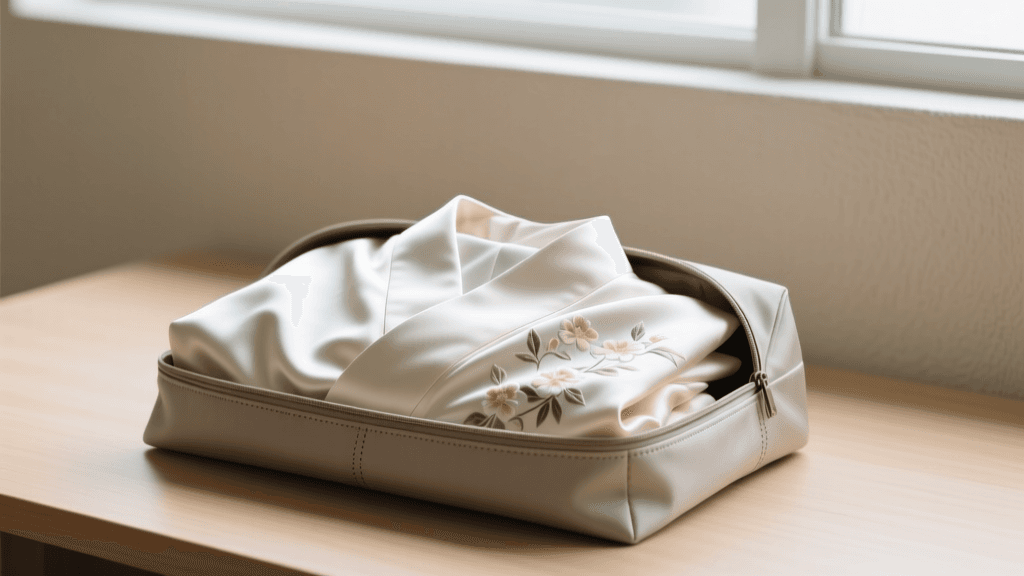
The Renaissance of Kimono Travel in 2026
As global cultural tourism reaches new heights in 2026, an increasing number of international travelers and local enthusiasts are choosing to pack and wear traditional Japanese garments during their journeys. Whether you are attending a summer matsuri in Kyoto, participating in a tea ceremony in Kanazawa, or simply enjoying a scenic train ride through the Japanese Alps, traveling with a kimono requires meticulous planning. Unlike modern Western clothing, traditional garments like the kimono, obi, and accompanying accessories demand specialized folding techniques, climate-conscious transport, and careful on-the-go maintenance to preserve their structural integrity and delicate textiles.
According to the Japan National Tourism Organization (JNTO), cultural immersion travel has seen a massive surge, with many visitors seeking authentic sartorial experiences. However, transporting vintage silk or even modern synthetic kimono across time zones and varying climates presents unique challenges. This comprehensive 2026 guide will walk you through the essential strategies for packing, transporting, and maintaining your kimono wardrobe while on the move.
Selecting the Right Kimono for Your Itinerary
Before you begin packing, it is crucial to curate a travel-friendly kimono wardrobe. While vintage silk is breathtaking, it is highly susceptible to water spots, perspiration stains, and severe creasing. For travel in 2026, many enthusiasts opt for a strategic mix of traditional and modern fabrics.
| Fabric Type | Travel Pros | Travel Cons | Best Use Case |
|---|---|---|---|
| 100% Silk (Hon-shibo / Chirimen) | Unmatched drape, breathability, and formal elegance. | Extremely prone to wrinkling; water spots ruin the finish; requires professional dry cleaning. | Formal evening events, indoor tea ceremonies, controlled climate venues. |
| Polyester (Washable Silk-look) | Highly wrinkle-resistant, machine washable, immune to water spots. | Less breathable in high humidity; lacks the luxurious acoustic rustle of silk. | Outdoor festivals, summer travel, rainy season (tsuyu) excursions. |
| Cotton / Yukata | Lightweight, easy to fold, breathable, casual. | Wrinkles easily but can be ironed safely; strictly informal. | Onsen resort stays, summer fireworks festivals, casual sightseeing. |
| Linen / Hemp (Asa) | Exceptionally cool in high heat, natural texture. | Wrinkles instantly upon sitting; requires embracing the 'lived-in' aesthetic. | Mid-summer casual outings, coastal town visits. |
Essential Packing Gear for Garment Transport
The days of stuffing delicate garments into plastic dry-cleaning bags are over. Modern textile preservation relies on breathable, acid-free materials to prevent dye transfer and fiber degradation during transit.
The Modern Tatoshi and Archival Tissue
Traditionally, kimonos are stored in a paper wrapper called a tatoshi. For travel, you should invest in reusable, non-woven fabric tatoshi wraps or use acid-free archival tissue paper. Textile conservation experts at the Victoria and Albert Museum (V&A) emphasize that silk is a protein fiber that can yellow or become brittle if exposed to acidic materials or trapped moisture. When folding your kimono, layer acid-free tissue paper between the folds to prevent sharp creases and protect delicate metallic threads (surihaku) from friction.
Breathable Garment Bags and Hard-Shell Luggage
For carry-on transport, use a high-quality, breathable cotton or canvas garment bag. Avoid vinyl or plastic covers, which can off-gas chemicals and trap humidity, leading to mildew in the confined space of an airplane overhead bin. If you are checking your luggage, place your tissue-wrapped, folded kimono inside a rigid hard-shell suitcase to protect it from being crushed by heavier items.
Mastering the Tatou: Folding for Transit
The tatou (traditional folding method) is designed to align the seams of the kimono, distributing stress evenly and preventing permanent creases down the center of the garment. Here is a streamlined approach for packing:
- Step 1: Lay the kimono flat on a clean, dry surface, face down. Ensure the collar and sleeves are perfectly aligned.
- Step 2: Fold the left side of the body panel over to the right, aligning the center back seam.
- Step 3: Fold the sleeves back so they do not overlap the body panels, creating a long, narrow rectangle.
- Step 4: Fold the bottom hem up to just below the collar, then fold in half or thirds depending on your luggage dimensions.
- Step 5: Wrap the folded garment in your acid-free tissue or fabric tatoshi, securing it with a soft cotton tie. Never use rubber bands or tight clips, which will permanently dent the silk.
Navigating Airport Security and Cabin Climate
Air travel in 2026 involves strict security protocols and highly controlled cabin environments. Airplane cabins are notoriously dry, with humidity levels often dropping below 15%. While this dry air is generally safe from a mold perspective, it can cause silk fibers to become static-prone and brittle.
Security Screening: If you are carrying a vintage or highly valuable silk kimono in your carry-on, you have the right to request a hand inspection at airport security to avoid the garment being pulled through the X-ray conveyor belt rollers or handled with unwashed hands. Keep your kimono in its protective tatoshi and politely explain to the TSA or international equivalent agents that it is a fragile cultural artifact.
In-Flight Care: Keep your garment bag in the overhead bin rather than under the seat in front of you, where it is more likely to be kicked or exposed to spilled beverages. If you are traveling with a silk haori (jacket), consider wearing it on the plane; it serves as an excellent, elegant layer against the aggressive air conditioning.
On-the-Go Wrinkle Release and Hotel Care
Even with perfect folding, some creasing is inevitable upon arrival. Unpack your kimono immediately upon reaching your accommodation and hang it on a wide, padded hanger to allow gravity to pull out minor wrinkles.
The Bathroom Steam Technique
For stubborn creases, avoid using standard hotel irons, which often have mineral buildup that can spit dirty water onto pristine silk. Instead, utilize the bathroom steam method. Hang the kimono on a padded hanger in the bathroom, ensuring it is safely away from any direct water splashes. Run a hot shower for 10 to 15 minutes, allowing the room to fill with steam. The ambient moisture will relax the silk fibers, allowing the wrinkles to fall out naturally. Afterward, move the kimono to the dry bedroom area to let the moisture evaporate completely before wearing.
Portable Travel Steamers
If you prefer a more hands-on approach, pack a dual-voltage portable micro-steamer. The latest 2026 models are incredibly compact and feature specialized attachments for delicate fabrics. Always use distilled water in your travel steamer to prevent calcium deposits from staining your garment. Hold the steamer at least four inches away from the silk and keep the steamer head moving continuously to avoid water spotting.
Pro Tip: Never apply commercial wrinkle-release sprays directly to vintage silk or garments with metallic leafing. The alcohols and surfactants in these sprays can dissolve the adhesive holding the gold leaf or cause water rings on natural dyes.
Transporting Delicate Accessories
A kimono is incomplete without its intricate accessories, which require their own packing strategies.
- Obi (Sashes): Fold the obi loosely in thirds and roll it gently from one end to the other. Store it in a separate cotton bag to prevent the stiff brocade from snagging on the kimono's delicate crepe silk.
- Obijime and Obidome (Cords and Clasps): Coil the silk cords loosely and secure them with a twist tie covered in soft felt. Place obidome (decorative clasps) in a hard-shell jewelry case to prevent the enamel or carved coral from chipping.
- Zori and Geta (Footwear): Traditional footwear can be bulky and carry outdoor dirt. Pack them in dedicated drawstring shoe bags and place them at the bottom of your hard-shell suitcase, soles facing outward, to maximize space and keep your textiles clean.
- Koshihimo (Tying Sashes): These long, thin cotton or silk ties can easily become tangled. Roll each one individually and store them together in a small mesh laundry bag for easy access during dressing.
Final Thoughts for the 2026 Traveler
Traveling with a kimono is a labor of love that connects you deeply to Asian textile traditions. By selecting the right fabrics for your itinerary, utilizing archival packing materials, mastering the tatou fold, and employing gentle on-the-go steaming techniques, you can ensure your garments arrive at your destination in pristine condition. As you step out into the vibrant streets of Tokyo or the serene temples of Nara, the confidence of wearing a beautifully maintained, wrinkle-free kimono will elevate your entire travel experience.