2026 Hanfu Travel Guide: Packing Mamianqun & Xi'an Photo Spots
The 2026 Hanfu Travel Renaissance
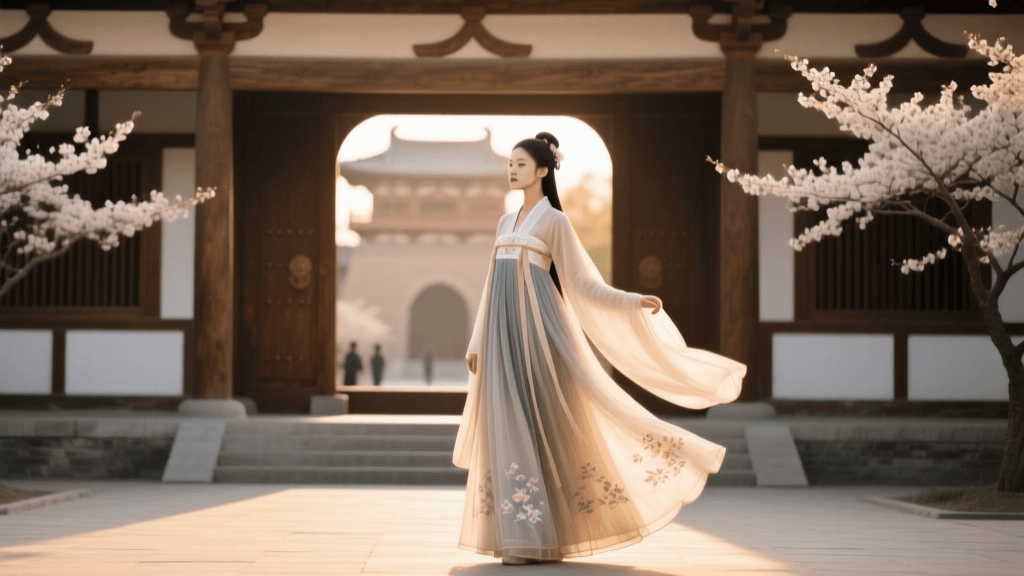
In 2026, wearing Hanfu while traveling across China's historical cities has evolved from a niche hobby into a mainstream cultural movement. The integration of augmented reality (AR) historical overlays at heritage sites and the expansion of high-speed rail networks have made traditional garment tourism more accessible than ever. According to cultural trend analyses featured on China Daily's culture section, domestic tourism centered around traditional dress has surged, with cities like Xi'an, Luoyang, and Hangzhou leading the charge in Hanfu-friendly infrastructure.
However, traveling with traditional Chinese clothing presents unique logistical challenges. Unlike modern fast fashion, Hanfu garments—particularly the intricate Ming Dynasty Mamianqun (horse-face skirt) and delicate Song Dynasty silk Beizi (outer jackets)—require meticulous packing and care. This comprehensive 2026 guide will walk you through the exact methods for packing your Hanfu, maintaining fabrics on the go, and capturing breathtaking photographs in Xi'an's most iconic locations.
Mastering the Mamianqun: Packing Pleats Without Panic
The Mamianqun is the crown jewel of many Hanfu travel wardrobes. Characterized by its flat front and back panels with intricately knife-pleated sides, this skirt is notoriously difficult to pack. If folded incorrectly, the pleats will shift, resulting in a chaotic, wrinkled mess that requires hours of steaming to fix.
The Accordion Fold and Roll Method
To preserve the structural integrity of your Mamianqun during transit, follow this specialized packing technique:
- Step 1: Align the Panels. Lay the skirt completely flat on a clean, large surface. Ensure the flat front and back panels are perfectly aligned, and the side pleats are stacked neatly in their original factory-pressed direction.
- Step 2: The Core Roll. Place a rigid cardboard tube (or a specialized 2026 inflatable garment roller) at the top waistband. Gently roll the skirt downward, keeping the tension even. This prevents hard creases from forming across the pleats.
- Step 3: Secure and Bag. Once rolled, secure the skirt with soft silk ribbons—never use tight elastic bands, which will leave permanent indentations on the fabric. Slide the rolled skirt into a breathable cotton drawstring bag.
- Step 4: Strategic Placement. Place the bag in the center of your suitcase, surrounded by softer items like undergarments or modern casual wear to act as a shock absorber.
Essential 2026 Packing Gear
Investing in the right travel gear is non-negotiable for Hanfu enthusiasts. This year, lightweight, battery-operated travel steamers with ceramic plates are the gold standard. Look for models that offer dual-voltage capabilities and a minimum of 15 minutes of continuous steam output. Additionally, silk-lined compression packing cubes are highly recommended for heavier winter Aoqun (padded jackets and skirts), as they reduce volume by 30% without crushing the internal batting.
Fabric Care Matrix: What to Bring and How to Pack
Not all Hanfu are created equal when it comes to travel. The fabric composition dictates how you should pack, wear, and maintain the garment on the road. Below is a breakdown of common Hanfu fabrics and their travel viability in 2026.
| Fabric Type | Wrinkle Resistance | Best Packing Method | Travel Suitability |
|---|---|---|---|
| Mulberry Silk | Low | Hang in a rigid garment bag; steam upon arrival. | Best for luxury hotel stays; avoid for rugged itineraries. |
| Polyester Blends | High | Roll tightly or use compression cubes. | Excellent for multi-city train hops and outdoor shoots. |
| Cotton-Linen | Medium | Fold flat with tissue paper between layers. | Great for spring/autumn; embraces a natural, rustic drape. |
| Jacquard Brocade | Medium-High | Roll around a tube to prevent snapping the woven threads. | Ideal for formal evening photography and cold weather. |
Xi’an 2026: The Ultimate Hanfu Photography Itinerary
Xi'an, the ancient capital of thirteen dynasties, remains the undisputed mecca for Hanfu photography. As detailed in the comprehensive regional guides on TravelChinaGuide's Xi'an hub, the city has heavily invested in pedestrian zones and lighting infrastructure specifically designed to accommodate traditional dress photography. Here are the top three locations to schedule in your 2026 itinerary.
1. Datang Everbright City (Night Shoots)
When the sun sets, Datang Everbright City transforms into a dazzling replica of the Tang Dynasty's Chang'an. In 2026, the pedestrian streets are illuminated by smart-lantern arrays that adjust their color temperature to complement the warm tones of traditional silk garments. Pro Tip: Wear a Tang-style Qixiong Ruqun (chest-high skirt) with a vibrant Pibo (silk shawl). The wide, sweeping sleeves catch the ambient light beautifully. Arrive by 6:30 PM to secure a spot near the central water features before the evening crowds peak.
2. The Ancient City Wall (Golden Hour)
Renting a bicycle and riding atop the 13.7-kilometer Xi'an City Wall during golden hour is a rite of passage. The contrast of your flowing Hanfu against the ancient grey bricks and the modern city skyline in the distance creates a stunning visual narrative. Logistics: Bicycles on the wall have traditional-style wicker baskets in 2026, perfect for storing your touch-up makeup, hairpins, and a portable steamer. Opt for a Ming Dynasty round-collar robe (Yuanlingpao) which allows for easier movement and cycling.
3. Daming Palace National Heritage Park
For a more serene, editorial-style photoshoot, Daming Palace offers vast, open plazas and reconstructed Tang Dynasty gatehouses. The sheer scale of the architecture requires garments with significant volume. A heavily embroidered Mamianqun paired with a structured Ao (jacket) provides the regal silhouette necessary to stand against the massive architectural backdrop. The park's new 2026 AR viewing stations also allow you to see digital reconstructions of the original palaces superimposed over the ruins, adding a layer of historical context to your travel vlogs.
Accessories and Hairpieces: Traveling Light
Traditional metal hairpins and heavy jade accessories can easily push your luggage over weight limits and trigger security scanners at high-speed rail stations. The 2026 solution is advanced EVA foam and 3D-printed resin accessories. These materials mimic the intricate filigree of traditional gold and silver work but weigh a fraction of the original. Pack your hairpieces in a hard-shell sunglasses case to prevent the delicate prongs from snapping inside your suitcase.
Practical Logistics: Trains, Taxis, and Transit
Navigating China's transit system in Hanfu requires some practical foresight. When boarding Fuxing high-speed trains, be mindful of your skirt length. Standard Mamianqun hems often brush the floor, which can be hazardous on escalators and train gaps. Use a decorative waist belt or a hidden skirt clip to temporarily hike the hem when navigating stations.
Furthermore, always adhere to the strict rule of traditional garment etiquette: ensure your collar is crossed correctly, with the left side over the right (known as jiaoling youren). Crossing right over left is historically reserved for the deceased and is considered highly inauspicious. Many modern Hanfu rental shops and boutique hotels in Xi'an now offer complimentary dressing assistance to ensure tourists get this crucial cultural detail right.
Final Thoughts
Traveling with Hanfu in 2026 is a deeply rewarding experience that bridges the gap between ancient artistry and modern exploration. By mastering the packing techniques for pleated skirts, choosing the right fabrics for your itinerary, and timing your visits to Xi'an's premier photography spots, you can ensure a seamless and visually spectacular journey. Embrace the elegance of the Silk Road's legacy, and let your garments tell a story that spans millennia.