Japanese Natural Dye Plants: Sustainable Methods for 2026
The Renaissance of Kusaki-zome in 2026
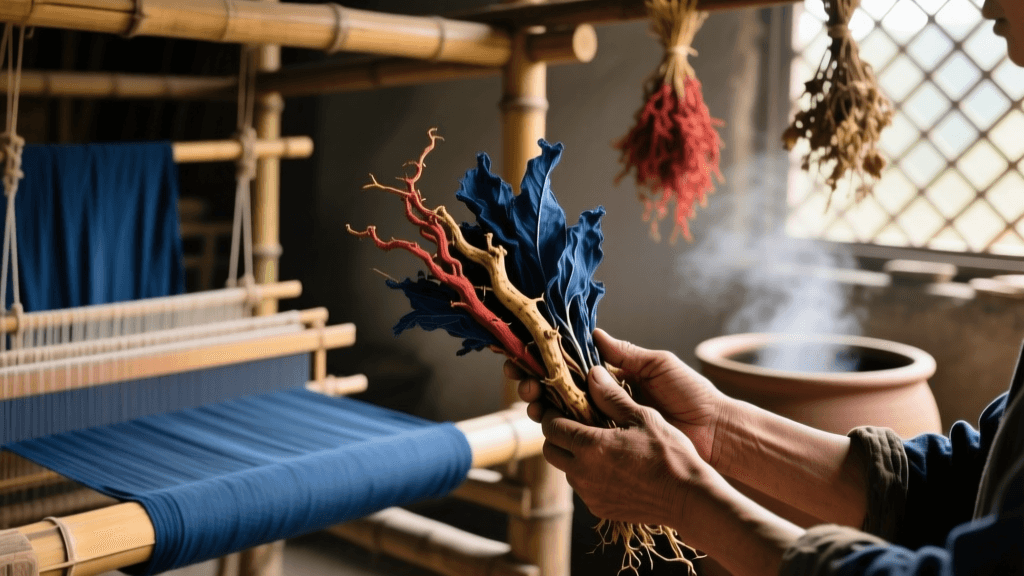
As the global fashion and textile industries face increasing scrutiny over environmental degradation, the ancient Japanese art of kusaki-zome (plant and tree dyeing) is experiencing a massive resurgence. In 2026, the shift away from synthetic, petroleum-based dyes is no longer just a niche preference; it is a vital component of the circular fashion economy. According to the United Nations Environment Programme (UNEP), the textile dyeing process is historically one of the largest polluters of water globally. In response, modern artisans and sustainable fashion houses are turning back to Japanese natural dye plants, utilizing eco-friendly cultivation and zero-waste extraction methods that honor both the environment and centuries of cultural heritage.
This comprehensive guide explores the most prominent Japanese natural dye plants, their sustainable cultivation practices in 2026, and actionable, eco-friendly methods for incorporating these stunning, biodegradable pigments into modern textile arts.
Core Japanese Natural Dye Plants
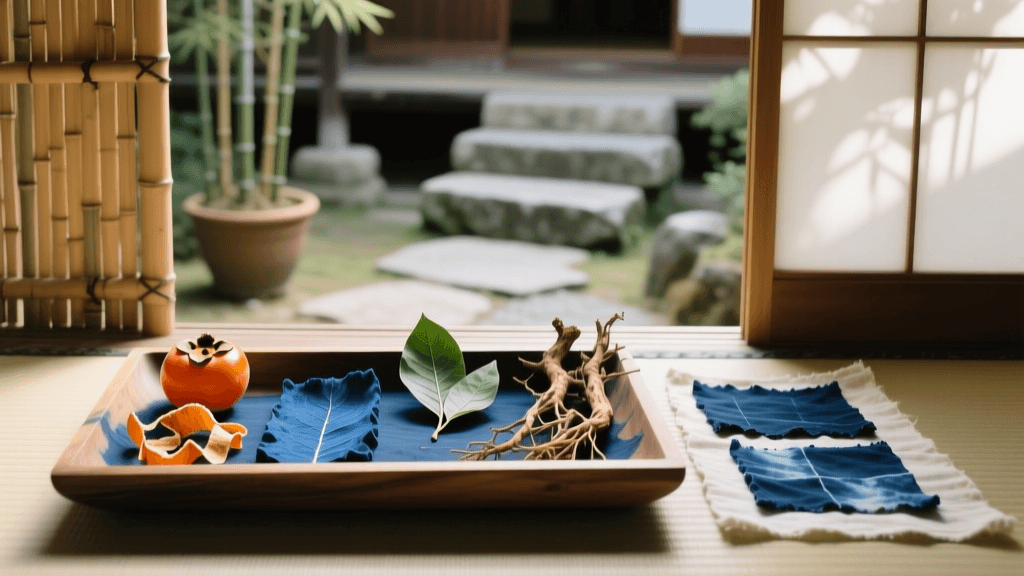
Japan's diverse climate and rich botanical history have yielded a spectrum of natural dyes. While dozens of plants are used in traditional practices, three stand out for their ecological benefits, colorfastness, and cultural significance.
1. Ai (Japanese Indigo - Polygonum tinctorium)
Unlike tropical indigo species, Japanese indigo (Polygonum tinctorium) thrives in temperate climates. The traditional method of creating sukumo (fermented indigo leaves) involves a meticulous 90-day composting process. In 2026, regenerative farming initiatives in Tokushima Prefecture have optimized this process, using cover crops and zero-tillage methods to restore soil microbiomes. The resulting indigo vat is entirely biodegradable. Furthermore, indigo-dyed textiles offer natural UV protection and insect-repellent properties, reducing the need for chemical fabric treatments later in the garment's lifecycle.
2. Kakishibu (Persimmon Tannin)
Kakishibu is a unique, tannin-rich liquid extracted from unripe, astringent persimmons. Unlike pigment-based dyes that require a mordant to bind to fibers, kakishibu acts as both a dye and a natural resin. When exposed to sunlight and air, the tannins polymerize, creating a waterproof, stain-resistant, and incredibly durable finish on natural fibers like cotton, hemp, and linen. Modern eco-designers in 2026 are utilizing kakishibu not just for its warm, earthy brown hues, but as a sustainable alternative to synthetic DWR (Durable Water Repellent) coatings, which are known to release harmful PFAS into the environment.
3. Akane (Japanese Madder - Rubia argyi)
Yielding a spectrum of colors from soft peach to deep crimson, akane roots contain the organic compound alizarin. Historically reserved for nobility and samurai class garments, madder is now celebrated for its soil-regenerating properties. The deep taproots of the madder plant help break up compacted soil, making it an excellent rotational crop in sustainable Japanese agriculture. Harvesting the roots for dyeing actually promotes new, vigorous growth in the following seasons, embodying a truly renewable resource model.
Eco-Friendly Mordanting: Moving Beyond Heavy Metals
Historically, some natural dyeing processes relied on heavy metal mordants like chrome or tin to ensure colorfastness. However, these metals are highly toxic to aquatic ecosystems. In 2026, the kusaki-zome community has almost entirely transitioned to bio-mordants and naturally occurring mineral salts that are safe for greywater systems.
| Mordant Type | Natural Source | Color Shift Effect | Eco-Impact & Disposal |
|---|---|---|---|
| Alum (Potassium Aluminum Sulfate) | Mined mineral salts | Brightens and clarifies colors | Low toxicity; safe for garden irrigation in diluted amounts |
| Iron (Ferrous Sulfate) | Rusted iron nails soaked in water/vinegar | Saddens, darkens, and adds grey/brown undertones | Zero-waste; upcycled household materials; safe for soil |
| Soy Milk (Protein Binder) | Organic, non-GMO soybeans | Acts as a substantive binder for cellulose fibers | 100% biodegradable; enriches compost systems |
| Ash Lye (Potassium Carbonate) | Hardwood ash boiled in rainwater | Shifts yellows to deeper golds; aids in indigo vat reduction | Upcycled waste product; alkaline but easily neutralized |
Water Recycling and Zero-Waste Studio Practices
A major criticism of traditional dyeing is its high water consumption. However, contemporary Japanese dye studios in 2026 have pioneered closed-loop water systems. By utilizing sequential dyeing—where a strong indigo vat is followed by a lighter exhaust vat, and finally used as a nutrient-rich irrigation source for the very plants that produced the dye—artisans are achieving near-zero water waste. Organizations like Japan Traditional Crafts actively promote these sustainable studio practices, ensuring that ancient techniques evolve to meet modern ecological standards without losing their cultural soul.
Step-by-Step Eco-Dyeing Guide: Kakishibu Sun-Curing
For beginners and seasoned textile artists alike, kakishibu is the most accessible and forgiving natural dye. It requires no heat, no complex chemical reductions, and no heavy metal mordants. Here is a practical, actionable guide to dyeing a 500g hemp tote bag using kakishibu in 2026.
Materials and Sourcing
- Fabric: 500g raw hemp or organic cotton (scoured and pre-washed).
- Dye Extract: 1 Liter of pure, aged kakishibu liquid. (Current 2026 pricing for artisanal, cold-pressed extract is approximately $45 USD per liter from specialty sustainable textile suppliers).
- Equipment: Large stainless steel or plastic tub, natural bristle brush, protective gloves (tannins will stain skin temporarily).
The Dyeing Process
- Preparation (Scouring): Boil the hemp bag in water with a pH-neutral eco-detergent for 60 minutes to remove natural waxes and oils. Rinse thoroughly and leave damp.
- First Application: Dilute the kakishibu with water at a 1:1 ratio. Submerge the damp bag in the tub for 20 minutes, agitating gently to ensure even penetration.
- Initial Oxidation: Remove the bag and hang it outdoors in direct sunlight. The UV rays and oxygen will immediately begin the polymerization process, shifting the color from pale yellow-green to a warm amber.
- Layering (Building Depth): Once dry, repeat the dipping and sun-curing process. For a deep, rich walnut brown, 4 to 6 layers are typically required over the course of two days.
- Final Curing: After the final coat, allow the textile to cure in a dry, shaded, well-ventilated area for two weeks. This resting period allows the tannins to fully cross-link with the cellulose fibers, locking in the waterproofing properties.
Pro-Tip for 2026: To create striking, modern geometric patterns, use a natural soy wax resist (similar to batik) before applying the kakishibu. The tannin will not penetrate the wax, leaving crisp, un-dyed lines against the rich brown background.
Sourcing and Supporting Regenerative Agriculture
The sustainability of natural dyes relies entirely on the agricultural practices used to grow them. When sourcing sukumo (indigo), akane (madder), or kakishibu (persimmon tannin), it is crucial to verify the farming methods. The Food and Agriculture Organization (FAO) emphasizes the importance of regenerative agriculture in maintaining biodiversity and soil health. In 2026, look for certifications or direct-trade relationships with farms in Japan that practice crop rotation, avoid synthetic pesticides, and utilize natural composting.
Supporting these farmers ensures that the revival of kusaki-zome directly benefits rural Japanese communities and preserves the ecological balance of the landscapes where these historic plants are grown. By choosing ethically sourced, naturally dyed textiles, consumers and creators alike participate in a global movement that values longevity, environmental stewardship, and the profound beauty of nature's palette.
Conclusion
Japanese natural dye plants represent a harmonious intersection of cultural heritage and cutting-edge environmental sustainability. As we navigate the ecological challenges of 2026, the principles of kusaki-zome—patience, respect for natural resources, and zero-waste methodology—offer a vital blueprint for the future of global textiles. Whether you are fermenting your own indigo vat or sun-curing persimmon tannins in your backyard, engaging with these eco-friendly methods connects you to a living tradition that is actively healing the planet, one garment at a time.