2026 Guide to Chinese Natural Dye Plants & Eco-Dyeing
The Renaissance of Chinese Botanical Dyes in 2026
As the global fashion industry faces stricter environmental regulations in 2026, the revival of traditional Chinese botanical dyeing—known as cao mu ran—has moved from a niche artisanal practice to a cornerstone of sustainable textile production. Synthetic dyes, which historically account for nearly 20% of global water pollution, are being rapidly phased out by eco-conscious brands. In their place, ancient Chinese plant dyes offer a regenerative, biodegradable, and culturally rich alternative. According to the Ellen MacArthur Foundation, the shift toward circular fashion in 2026 heavily relies on eliminating toxic effluent, making botanical dyes more relevant than ever.
This comprehensive guide explores the most prominent Chinese natural dye plants, their 2026 market viability, and a precise, eco-friendly methodology for achieving vibrant, colorfast results on natural fibers.
Top Traditional Chinese Dye Plants for Sustainable Fashion
1. Chinese Indigo (Polygonum tinctorium)
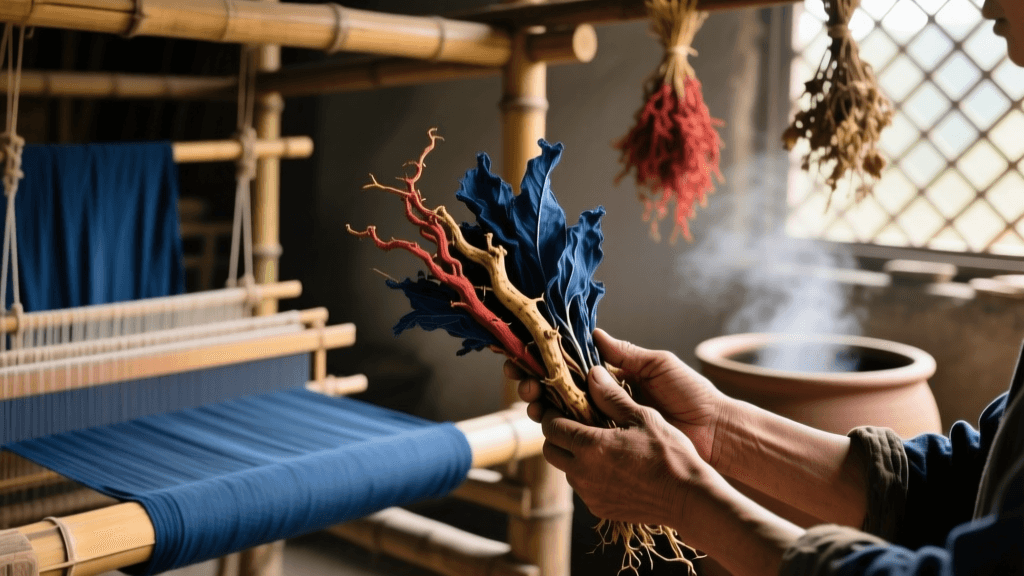
While Indigofera tinctoria is common globally, traditional Chinese indigo relies on Polygonum tinctorium (also known as Japanese knotweed or Persicaria tinctoria). Cultivated extensively in the mountainous regions of Guizhou and Yunnan, this plant yields the iconic deep blues seen in Miao and Dong minority textiles. In 2026, advances in cold-water extraction and bio-fermentation have made creating an indigo vat significantly less reliant on harsh chemical reducing agents like sodium hydrosulfite. Instead, modern eco-dyers use organic fructose and calcium hydroxide (slaked lime) to reduce the indigo, maintaining a fully non-toxic dye bath.
2. Chinese Madder (Rubia cordifolia)
Known in traditional Chinese medicine as Qian Cao, Rubia cordifolia is a climbing plant whose roots produce a stunning spectrum of reds, terracottas, and soft pinks. The primary colorant, alizarin, requires a metallic mordant to bind to cellulose and protein fibers. In 2026, sustainable dyers favor aluminum acetate or bio-alum derived from recycled water treatment processes over traditional mined potash alum, reducing the ecological footprint of the mordanting phase.
3. Pagoda Tree (Sophora japonica)
The unopened flower buds of the Pagoda tree, known as Huai Mi, are one of the most historically significant yellow dyes in China, dating back to the Zhou Dynasty. Rich in rutin, these buds yield brilliant, sun-resistant yellows and olive greens (when modified with iron). The 2026 harvest season saw a surge in ethically wild-harvested Pagoda buds, providing vital supplemental income to rural farming cooperatives in northern China.
4. Lotus Root (Nelumbo nucifera)
Utilizing the agricultural waste of the lotus plant, specifically the rhizomes and seed pods, dyers can extract beautiful earthy browns, greys, and muted purples. Lotus dyeing perfectly exemplifies the 2026 zero-waste agricultural model, as the plant is already cultivated extensively for food and traditional medicine, making the dye material a virtually free byproduct.
2026 Sourcing and Performance Data Chart
Understanding the yield, cost, and fastness of these plants is crucial for designers and hobbyists planning their 2026 textile projects. Below is a comparative analysis of the top Chinese dye plants based on current 2026 wholesale and artisanal market data.
| Plant Name | Botanical Name | Target Color | Recommended Mordant | 2026 Avg Price (USD/kg) | Lightfastness |
|---|---|---|---|---|---|
| Chinese Indigo | Polygonum tinctorium | Deep Blue / Navy | None (Vat Dye) | $42.00 (Dried Leaf) | Excellent |
| Chinese Madder | Rubia cordifolia | Red / Terracotta | Bio-Alum (15% WOF) | $28.50 (Dried Root) | Very Good |
| Pagoda Tree Buds | Sophora japonica | Bright Yellow / Olive | Bio-Alum or Iron | $55.00 (Dried Buds) | Good to Very Good |
| Lotus Rhizome | Nelumbo nucifera | Earthy Brown / Grey | Iron (2% WOF) | $12.00 (Dried Slices) | Moderate |
Note: WOF stands for Weight of Fiber. Prices reflect 2026 direct-from-cooperative sourcing via verified fair-trade textile platforms.
Step-by-Step Eco-Friendly Dyeing Process
Achieving professional, colorfast results with Chinese botanical dyes requires precision. The following methodology utilizes modern 2026 eco-friendly practices, replacing harsh synthetic detergents and heavy metal mordants with biodegradable alternatives.
Step 1: Scouring the Fiber
Natural fibers (cotton, linen, silk, wool) contain natural waxes, pectins, and oils that repel water-based dyes. Instead of using synthetic soda ash, prepare a scouring bath using bio-enzyme pectinase and a mild, pH-neutral plant-based soap. Heat the water to 60°C (140°F) for cellulose fibers, or 50°C (122°F) for protein fibers like silk. Simmer for 45 minutes, then rinse thoroughly in lukewarm water.
Step 2: Eco-Mordanting
Mordants act as the chemical bridge between the fiber and the dye molecule. For Madder and Pagoda Tree, use a 15% WOF solution of aluminum potassium sulfate (alum). To make the process more sustainable, add 5% WOF of cream of tartar (potassium bitartrate), which buffers the acidity and keeps protein fibers soft. Dissolve the mordant in hot water, add the damp, scoured fibers, and hold at 80°C (176°F) for one hour. Allow the fibers to cool in the bath overnight for maximum penetration.
Step 3: Dye Bath Extraction
For extraction dyes like Madder and Pagoda buds, place the plant material in a stainless steel pot. Use a ratio of 100% WOF for Madder roots (meaning equal weight of dye to fiber) and 50% WOF for Pagoda buds. Cover with soft, filtered water (hard water minerals can dull yellow and red dyes). Bring to a gentle simmer—never a rolling boil, as boiling extracts brown tannins that muddy the color. Simmer for 60 minutes, then strain the liquid through a fine mesh cloth.
Step 4: The Dyeing Phase
Introduce the mordanted, damp fibers into the warm dye bath. For Madder, maintain a temperature of 70°C (158°F) for 45 minutes. For Pagoda Tree, 80°C (176°F) is ideal. Stir gently and continuously for the first 10 minutes to prevent uneven splotching. Turn off the heat and let the fibers steep until the bath reaches room temperature. Rinse in cool water with a splash of white vinegar to set the pH, then air dry out of direct sunlight.
Building a 2026 Travel Wardrobe with Plant-Dyed Garments
Integrating plant-dyed garments into a modern travel wardrobe offers both aesthetic and functional benefits. The Victoria and Albert Museum notes that historical botanical dyes often possess natural antimicrobial and UV-resistant properties. For instance, indigo-dyed linen is naturally moth-repellent and highly breathable, making it ideal for humid Asian climates. When curating a 2026 travel capsule wardrobe, prioritize layered pieces dyed with Pagoda tree yellows and Lotus root browns, as these earthy tones effortlessly mix and match while hiding travel dust and minor stains better than synthetic pastels.
Troubleshooting Common Botanical Dyeing Issues
- Uneven Dyeing: Usually caused by inadequate scouring or overcrowding the dye pot. Ensure the fiber has ample room to move freely in the liquid.
- Muddy Colors: Boiling the dye material extracts harsh tannins. Always keep extraction temperatures at a gentle simmer. Additionally, avoid using cast iron pots for yellow dyes, as the iron will instantly shift the color to olive green.
- Poor Wash Fastness: If the dye bleeds heavily during the first wash, the mordanting phase was likely rushed. Always allow fibers to cool completely in the mordant bath before rinsing.
Sustainability and the Circular Fashion Economy
The adoption of Chinese natural dyes in 2026 is not merely an aesthetic choice; it is a critical component of the circular fashion economy. Synthetic dyeing processes consume trillions of liters of water annually and release microplastics and heavy metals into waterways. In contrast, the spent plant material from a cao mu ran dye bath is 100% compostable, returning vital nitrogen and carbon to the soil. Furthermore, organizations like Textile Exchange are increasingly recognizing regenerative botanical dye farming as a key metric in their 2026 sustainability certifications, rewarding brands that source from farms practicing crop rotation and soil regeneration.
By embracing the ancient wisdom of Chinese plant dyes, modern designers and consumers are forging a path toward a fashion industry that honors cultural heritage, supports rural agricultural communities, and fiercely protects the planet's fragile ecosystems. Whether you are dyeing a simple silk scarf with Lotus root or producing a commercial run of indigo-dyed denim, the roots of true sustainability lie in the earth.