Authentic Kimono & Yukata Guide 2026: Styling & Care
The Global Renaissance of Japanese Traditional Garments in 2026
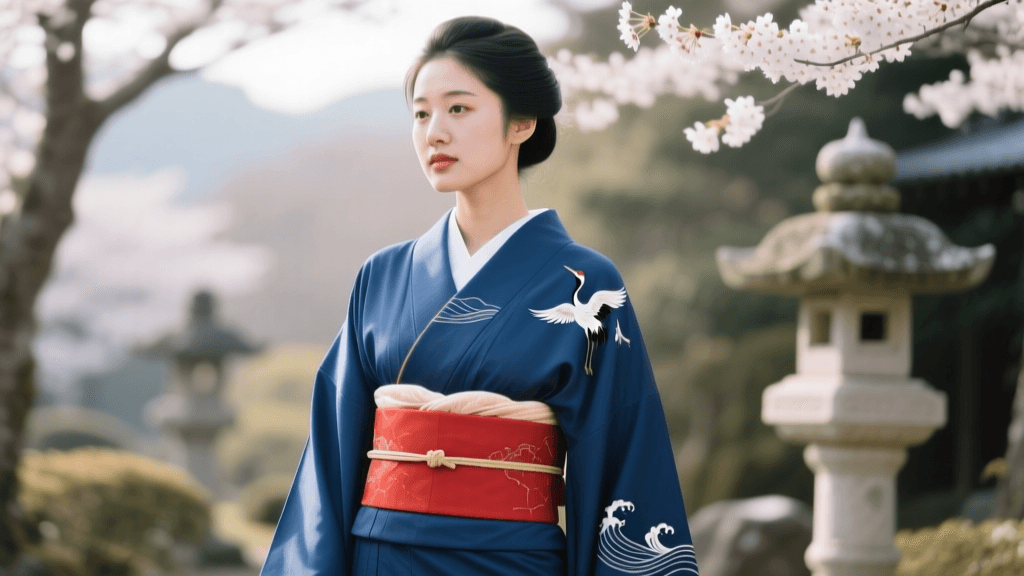
As we navigate the fashion landscape of 2026, the global appreciation for traditional Japanese garments—collectively known as wafuku—has evolved from niche cultural interest to a cornerstone of sustainable, heritage-focused wardrobes. The modern wearer is no longer confined to viewing these garments strictly through a historical lens; instead, international fashion enthusiasts are integrating authentic kimonos and yukatas into contemporary life, blending centuries-old textile arts with modern styling sensibilities. At The Garment Atlas, we recognize that embracing these garments requires more than just an eye for aesthetics; it demands a deep understanding of construction, precise sizing, and meticulous care.
This comprehensive 2026 guide will walk you through the essential differences between kimono and yukata, provide actionable sizing metrics for international bodies, explore modern styling techniques, and outline the authoritative care protocols necessary to preserve these textile masterpieces for generations.
Decoding the Wardrobe: Kimono vs. Yukata
While the untrained eye might group all T-shaped, straight-lined robes under the single umbrella of 'kimono,' the reality of Japanese traditional dress is highly nuanced. The distinction primarily lies in the fabric, formality, and the accompanying undergarments.
The Kimono: Formality and Silk Heritage
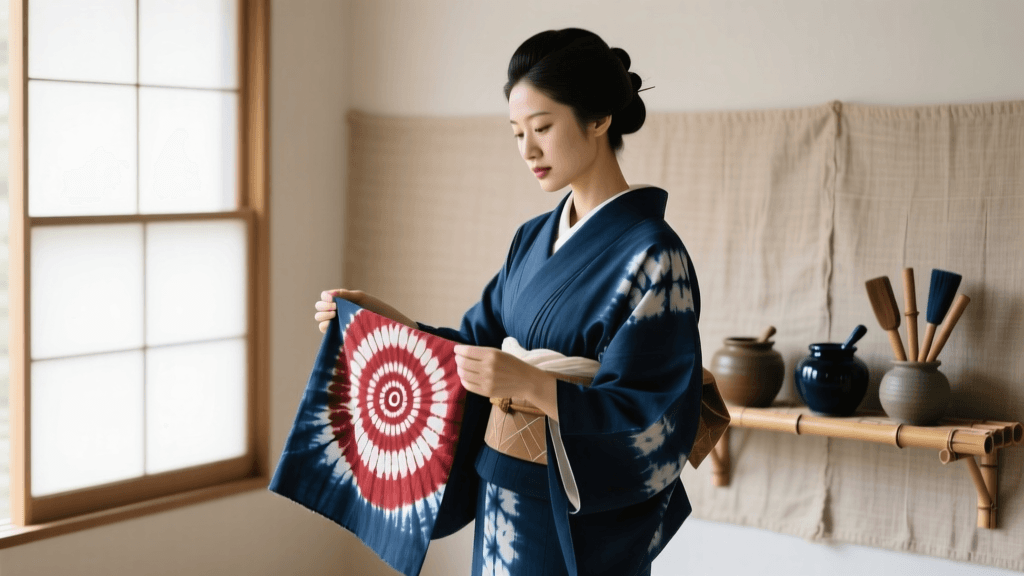
The word 'kimono' literally translates to 'thing to wear' (ki = wear, mono = thing). However, in contemporary contexts, it refers specifically to formal or semi-formal garments constructed from silk, fine wool, or high-grade synthetic blends designed to mimic silk's drape. A traditional kimono requires a layered foundation, starting with the hadajuban (a thin under-robe) and the nagajuban (a full-length under-kimono that protects the outer silk from body oils and sweat). According to The Metropolitan Museum of Art's Heilbrunn Timeline of Art History, the kimono's T-shaped structure was perfected during the Edo period, establishing a silhouette that prioritizes the flat, two-dimensional canvas of the textile over the three-dimensional contours of the human body.
The Yukata: Summer Cotton and Accessibility
The yukata is the kimono's casual, warm-weather counterpart. Historically worn as a bathrobe by the nobility, it evolved into the standard summer festival garment for all classes. In 2026, yukatas are predominantly made from breathable cotton, cotton-hemp blends, or advanced moisture-wicking sustainable fabrics. Unlike the kimono, the yukata is worn directly over basic modern undergarments or a simple hadajuban, making it highly accessible for beginners and international wearers.
Precision Sizing: The 2026 International Fitting Standards
One of the most significant hurdles for global wearers is sizing. Traditional Japanese garments were historically tailored to the individual using a bolt of fabric called a tanmono. Today, while bespoke tailoring remains the gold standard, the secondary market and modern retail rely on standardized sizing. In 2026, the most critical measurements are the mitake (back length) and the yuki (sleeve length, measured from the center back of the neck to the wrist).
For a proper fit, the kimono's hem should rest precisely at the wearer's ankle bone, allowing for the ohashori (the waist tuck that adjusts the length). Below is the standardized 2026 sizing chart utilized by major international wafuku retailers.
| Size Category | Wearer Height | Mitake (Back Length) | Yuki (Sleeve Length) | Best Fit Profile |
|---|---|---|---|---|
| Small (S) | 145 - 155 cm | 150 - 158 cm | 60 - 63 cm | Petite frames, younger teens |
| Medium (M) | 155 - 165 cm | 158 - 165 cm | 63 - 66 cm | Average female height, standard fit |
| Large (L) | 165 - 175 cm | 165 - 172 cm | 66 - 69 cm | Taller frames, modern elongated cuts |
| Extra Large (LL) | 175+ cm | 172+ cm | 69+ cm | Custom or specialized tall vendors |
Note: For male garments (kimono and yukata), the hem should fall closer to the top of the foot, and the ohashori tuck is generally not utilized in the same manner as women's kitsuke (dressing).
Contemporary Styling: Bridging Heritage and Modern Streetwear
The year 2026 has seen a massive surge in 'neo-wafuku' styling, where traditional silhouettes are adapted for urban environments. You do not need to commit to a full, formal kitsuke to appreciate these garments in daily life.
The Haori Jacket Integration
The haori is a hip- or thigh-length jacket worn over a kimono. In modern streetwear, the haori has found a second life as an open-front statement coat. Worn over a simple turtleneck, tailored trousers, or even a minimalist midi dress, a vintage silk haori adds instant structural elegance and a pop of intricate textile art to an outfit. Because the haori does not require an obi belt and is left open at the front, it is the most approachable entry point for international styling.
Obi Alternatives and Modern Knots
Traditional formal obi sashes can be incredibly expensive and difficult to tie. In 2026, many global wearers opt for the hanhaba obi (half-width obi), which is casual, easier to manipulate, and pairs perfectly with yukatas and everyday wool kimonos. Furthermore, modern accessories like obijime (decorative cords) are being swapped for braided leather belts or silk scarves in avant-garde styling circles, provided the core respect for the garment's structure is maintained.
Footwear: Tabi, Zori, and Geta
No traditional Japanese outfit is complete without the correct footwear. The foundation is the tabi, the split-toe sock. In 2026, stretch-knit tabi socks with rubberized soles are widely available, allowing wearers to skip traditional sandals for casual indoor events. However, for outdoor wear, zori (flat, formal sandals often made of vinyl, leather, or brocade) and geta (wooden clogs with elevated teeth, typically worn with yukata) remain essential. When purchasing zori, ensure the thong (hanao) is positioned to allow the heel to slightly overhang the back edge—a hallmark of proper traditional fit.
Sourcing Authentic Pieces: Avoiding Fast-Fashion Imitations
With the rise of wafuku's global popularity, the market has been flooded with cheap, mass-produced 'kimono robes' that lack the structural integrity, textile quality, and cultural lineage of authentic garments. To ensure you are purchasing genuine articles, look for vendors who specify the fabric type (e.g., chirimen silk crepe, ro woven cotton), the era of production, and the region of origin.
The Japan Ministry of Economy, Trade and Industry (METI) maintains strict designations for Traditional Craft Products. When sourcing high-end silk kimonos, look for METI-certified regional textiles such as Nishijin-ori from Kyoto, Yuki-tsumugi from Ibaraki, or Kaga-yuzen from Ishikawa. These certifications guarantee that the garment was produced using traditional techniques and materials by certified artisans.
Preservation and Care: Maintaining Your Garments
Silk and vintage cotton are highly susceptible to environmental damage, moisture, and improper storage. The Victoria and Albert Museum's conservation guidelines emphasize that the longevity of historical and contemporary silk garments relies heavily on climate control and proper folding techniques.
Cleaning Protocols
Never machine wash a silk kimono. Water will cause the silk fibers to shrink unevenly, and the dyes may bleed, ruining the intricate patterns. For silk garments, professional dry cleaning by a specialist familiar with Japanese textiles is mandatory, but it should only be done when absolutely necessary, as harsh chemicals can strip the silk of its natural luster. Spot cleaning with a damp cloth is preferred for minor surface marks. Yukatas, being cotton, can generally be hand-washed or machine-washed on a delicate cycle inside a mesh laundry bag, but they must be air-dried away from direct sunlight to prevent fading.
Proper Storage and Airing
Kimonos are never hung on Western-style hangers for long-term storage, as the weight of the garment will distort the shoulder seams and stretch the delicate silk. Instead, they are folded along their original seam lines and stored flat in specialized acid-free paper called tatou-shi. Store your folded garments in a cool, dark, and dry environment. To prevent musty odors and mold, it is a traditional practice to perform mushiboshi (airing out) twice a year—ideally on dry, breezy days in late autumn and early spring. Lay the garments flat on a clean surface or drape them over a specialized kimono rack for a few hours to allow the fibers to breathe.
Conclusion
Embracing Japanese traditional garments in 2026 is a rewarding journey that connects the wearer to centuries of artisanal mastery. Whether you are slipping into a breathable cotton yukata for a summer festival, draping a vintage silk haori over modern streetwear, or meticulously folding a formal silk kimono for future generations, understanding the nuances of these garments elevates the experience from mere costume to profound cultural appreciation. By respecting the sizing, sourcing authentic textiles, and adhering to strict care protocols, you ensure that the legacy of wafuku continues to thrive on the global stage.