2026 Kimono Guide: Birth, Coming-of-Age & Memorial Ceremonies
The Enduring Role of Kimono in Japanese Family Milestones
In Japan, the kimono is far more than a beautiful garment; it is a profound cultural marker that signifies life’s most pivotal transitions. As we navigate through 2026, the intersection of traditional craftsmanship and modern convenience has made participating in these sartorial customs more accessible than ever. From the joyous shrine visits celebrating a newborn’s first month to the solemn elegance required for ancestral memorials, selecting the appropriate kimono requires an understanding of formality, symbolism, and seasonal etiquette.
According to The Metropolitan Museum of Art, the kimono has historically functioned as a visual language, communicating the wearer's age, marital status, and the specific nature of the event they are attending. Today, while daily wear has largely transitioned to Western clothing, the kimono remains indispensable for family ceremonies. This comprehensive 2026 guide explores the specific garments, styling rules, and practical considerations for birth celebrations, Coming-of-Age ceremonies, and memorial services.
Omiyamairi: Celebrating Birth and Shrine Visits
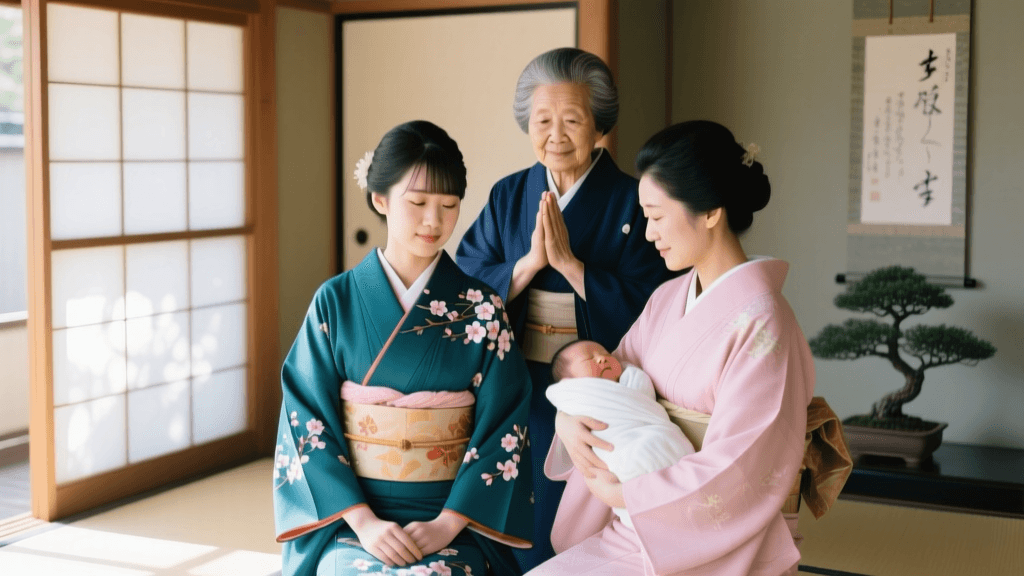
Omiyamairi (also known as Hatsumiyamairi) is a traditional Shinto ceremony held roughly one month after a baby is born. The family visits a local shrine to express gratitude for the child's safe delivery and to pray for their healthy future. For this joyous occasion, the sartorial focus is on celebration, protection, and modest elegance.
Garments for the Baby and Mother
Traditionally, the baby is wrapped in an ubugi (a white silk under-robe) and draped in a vibrant, celebratory outer blanket or miniature kimono known as an iwai-gi or ubaga-i. In 2026, many families opt for sustainably sourced silk or high-quality vintage textiles to wrap the infant, often featuring auspicious motifs like cranes, turtles, or pine trees to symbolize longevity and resilience.
For the mother, who is still in her postpartum recovery period, comfort and modesty are paramount. The standard choice is an iromuji (a solid-colored kimono with no patterns, except possibly on the obi) or a subtle tsukesage. Because the mother is holding the baby, the kimono should feature softer, more subdued colors—such as pastel pinks, soft sage greens, or gentle lavenders—avoiding overly flashy designs that might distract from the infant. The obi is typically tied in a simple, flat knot like the taiko musubi to ensure comfort while nursing or holding the child.
2026 Practicalities for Omiyamairi
Modern 2026 rental packages for Omiyamairi frequently include a 'mother-and-baby' set, which provides the baby's ceremonial blanket, a matching mother's kimono, and professional kitsuke (dressing) services. Many shrines in Kyoto and Tokyo now offer accessible, step-free paths specifically designed for strollers and families in formal wear, making the physical act of navigating the shrine grounds much easier for new mothers.
Seijin no Hi: Coming-of-Age Ceremonies in 2026
Seijin no Hi (Coming-of-Age Day), held annually on the second Monday of January, celebrates young adults reaching the age of maturity. Despite the national revision of the legal age of adulthood, the vast majority of Japanese municipalities in 2026 continue to host these ceremonies for 20-year-olds, maintaining the cultural tradition tied to university life and social milestones.
The Furisode: A Canvas of Youth and Independence
For unmarried women, the furisode is the undisputed garment of the day. Characterized by its dramatically long, swinging sleeves (ranging from 100 to 114 centimeters), the furisode is the most formal kimono available to young, unmarried women. The long sleeves historically served to ward off evil spirits and express deep emotion. In 2026, there is a massive surge in demand for 'retro-modern' furisode—garments featuring bold, Taisho-era geometric patterns paired with contemporary, minimalist obi accessories.
The ensemble requires a highly formal fukuro obi (a brocade sash), often tied in elaborate, floral-inspired knots like the fukura suzume (puffed sparrow). Hair is styled in elaborate updos adorned with kanzashi (ornamental hairpins), and the look is completed with plush zori sandals and a matching hakoseko (small decorative pouch).
Men’s Coming-of-Age Attire
While Western suits remain popular among young men, 2026 has seen a notable renaissance in traditional male formalwear. The montsuki hakama—a black kimono bearing five family crests (kamon) paired with pleated, skirt-like trousers—is the pinnacle of male formality. For a slightly less rigid but equally traditional look, many young men opt for a high-quality omeshi (crepe silk) kimono in deep navy, charcoal, or forest green, paired with a contrasting haori (jacket).
Booking and Budgeting for 2026
Because Seijin no Hi occurs simultaneously nationwide, the demand for furisode rentals and salon appointments is fiercely competitive. For the January 2026 ceremonies, bookings opened as early as mid-2025. A premium furisode rental package in 2026—including the garment, obi, undergarments, dressing service, and professional hair styling—averages between ¥40,000 and ¥80,000, with designer or vintage silk pieces commanding prices upwards of ¥120,000.
Memorials and Obon: Honoring Ancestors with Respect
In stark contrast to the vibrancy of birth and coming-of-age celebrations, memorial services (hoji) and the summer Obon festival require attire that communicates profound respect, mourning, and solemnity. The rules of mourning attire (mofuku) are among the strictest in Japanese sartorial etiquette.
Mofuku and Subdued Formality
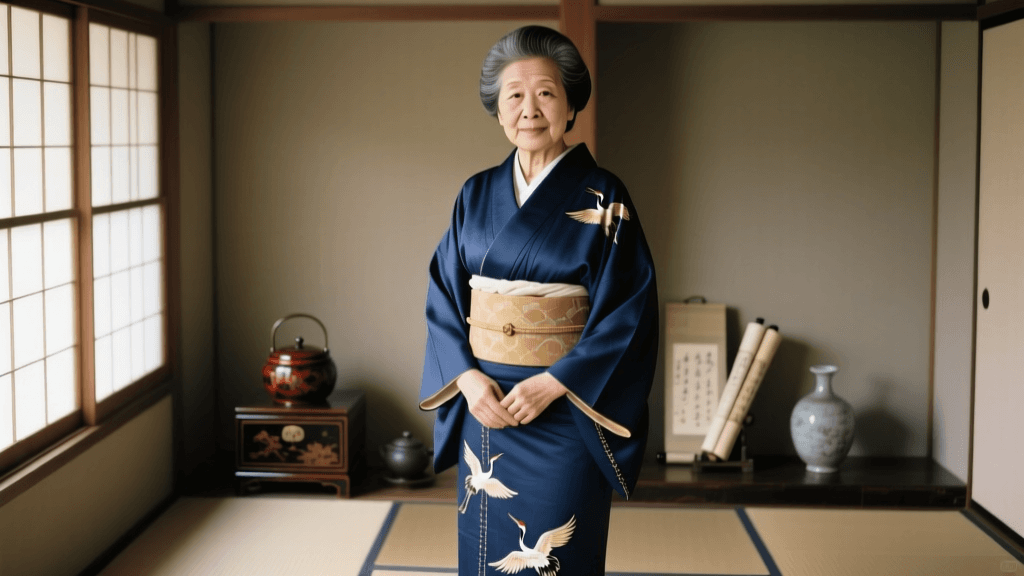
For immediate family members attending a funeral or a primary memorial anniversary, full mofuku is required. This consists of a plain, matte black silk kimono bearing five white family crests, a black fukuro obi with subtle, non-reflective patterns, and black accessories. The under-kimono (nagajuban) must be pure white, and the tabi (split-toe socks) must also be stark white. As noted by the Victoria and Albert Museum, the strict codification of mourning textiles reflects deep-seated cultural beliefs regarding purity, grief, and the spiritual transition of the deceased.
For extended family or attendees at later memorial services (such as the 3rd, 7th, or 13th anniversaries), full black mourning wear is often relaxed in favor of subdued semi-formal wear. An iromuji in dark, muted tones—such as charcoal, deep navy, or dark plum—with one to three family crests is highly appropriate. The obi should be silver, grey, or dark purple, tied in a simple, unpretentious knot.
Obon and Higan Etiquette
During Obon (the mid-summer festival of the dead) and Higan (the spring and autumn equinoxes), families visit graves to clean headstones and leave offerings. While full mourning wear is not required for grave visits, attendees should wear conservative, modest clothing. A subdued komon (fine-patterned kimono) or a simple tsumugi (woven silk) in earth tones is perfectly suited for these reflective, outdoor family gatherings.
2026 Kimono Ceremony Comparison Chart
| Ceremony Type | Primary Garment | Sleeve Length / Style | Formality Level | Avg. 2026 Rental Cost (JPY) |
|---|---|---|---|---|
| Birth (Omiyamairi) | Iromuji / Tsukesage (Mother) | Standard (Tomesode length) | Semi-Formal to Formal | ¥15,000 - ¥25,000 |
| Coming-of-Age (Women) | Furisode | Long (100cm - 114cm) | Highest Formal (Unmarried) | ¥40,000 - ¥120,000 |
| Coming-of-Age (Men) | Montsuki Hakama / Omeshi | Standard / Hakama pleats | Formal | ¥20,000 - ¥35,000 |
| Primary Memorial / Funeral | Mofuku (Black Mourning) | Standard (Tomesode length) | Highest Formal (Mourning) | ¥15,000 - ¥30,000 |
| Obon / Grave Visits | Komon / Tsumugi | Standard | Everyday / Informal | ¥5,000 - ¥10,000 |
Practical Tips for 2026: Renting, Dressing, and Accessories
Navigating the logistics of kimono wear in 2026 is streamlined by technology and specialized services, but understanding the nuances will ensure a seamless experience.
The Rise of Sustainable and Vintage Rentals
Eco-conscious consumers in 2026 are heavily driving the vintage kimono rental market. Platforms specializing in upcycled, mid-century silk garments allow wearers to don high-quality, hand-painted Yuzen silks at a fraction of the cost of new, custom-tailored pieces. When renting, always confirm that the package includes the hadajuban (undergarments), koshi-himo (tying cords), and date-jime (sashes), as these are essential for the structural integrity of the kimono.
Footwear and Weather Considerations
Footwear can make or break a ceremonial day. For formal events like Seijin no Hi or weddings, women wear zori with a thick, plush sole. In January, the cold weather necessitates the use of a shawl (often white faux fur or silk) and specialized thermal under-kimono garments. Conversely, for summer Obon memorials, breathable linen-blend yukata or lightweight ro (sheer silk) kimonos are preferred to combat the intense humidity. Men should ensure their setta (traditional sandals) are properly sized, as ill-fitting footwear can cause blisters during long shrine processions.
Kitsuke (Dressing) Services
Unless you are highly trained in kitsuke, hiring a professional dresser is strongly recommended for formal ceremonies. In 2026, many hotels and ryokan offer in-room dressing services for an additional fee (typically ¥5,000 to ¥10,000). For memorial services, ensure your dresser is informed of the specific mourning level required, as the folding of the collar and the choice of obi knot carry strict, non-negotiable rules in mourning contexts.
Conclusion
The kimono remains a vital, breathing element of Japanese family life, bridging the gap between ancestral reverence and contemporary celebration. Whether you are wrapping a newborn in auspicious silks, stepping into adulthood in a sweeping furisode, or paying quiet respects to those who came before, the garments you choose speak volumes. By understanding the specific requirements of each ceremony and leveraging the modern rental and dressing services available in 2026, you can honor these beautiful Asian traditions with confidence, grace, and profound cultural respect.