Traveling With Hanfu In 2026: Packing Tips & Top Destinations
The Renaissance of Hanfu Travel in 2026
As we navigate through 2026, the global appreciation for traditional Chinese clothing has evolved from a niche hobby into a mainstream cultural movement. 'Hanfu tourism' is now a dominant force in Asian travel, with millions of enthusiasts donning historically inspired garments to explore ancient capitals, classical gardens, and heritage sites. However, traveling with delicate silk textiles, intricate pleats, and multi-layered ensembles requires strategic planning. Whether you are a seasoned Hanfu enthusiast or a newcomer eager to capture breathtaking photographs at historical landmarks, mastering the art of packing and destination selection is crucial for a seamless journey.
In this comprehensive 2026 guide, we break down the best travel gear, folding techniques, and top destinations to ensure your traditional garments remain pristine and photogenic throughout your trip.
Essential Hanfu Packing Gear for 2026
Packing Hanfu is fundamentally different from packing modern casual wear. The structured pleats of a Ming dynasty skirt or the delicate gauze of a Song dynasty jacket demand specialized gear to prevent permanent creasing and fabric damage.
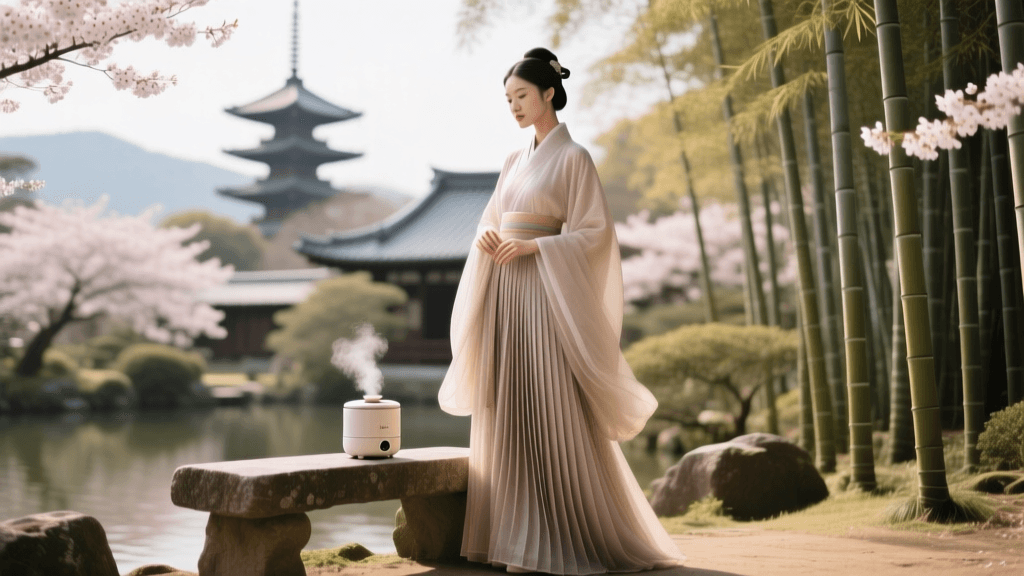
- Portable Garment Steamer: The Philips STH3020 Foldable Steamer remains the gold standard for Hanfu travelers in 2026. Priced around $45 USD, its dual-voltage capability and foldable head make it perfect for international and domestic travel. It heats up in 30 seconds, allowing you to quickly steam out transit wrinkles from silk and brocade without risking heat damage.
- Compression Garment Folders: The Eagle Creek Pack-It Garment Folder (approx. $38 USD) provides a rigid structure that keeps flat garments, like the Beizi (long jacket) or Banbi (half-arm jacket), perfectly flat. The included folding board ensures uniform creases that align with the garment's natural seams.
- Hairpin Storage: Traditional metal hairpins (zanzi and buyao) can trigger airport security alarms and bend easily in checked luggage. Use a hard-shell EVA glasses case lined with velvet to protect delicate filigree and tassels during transit.
- Desiccant Packs and Cedar Rings: Asian summers are notoriously humid. Tossing a few reusable silica gel packets and natural cedar wood rings into your luggage protects raw silk and brocade from moisture buildup and mold, which can permanently stain historical textiles.
How to Pack Different Hanfu Styles
Not all Hanfu is created equal when it comes to transit. The structural integrity of the garment dictates whether it should be rolled, folded, or hung. Below is a comparison chart to help you prioritize your packing strategy based on the style you intend to wear.
| Hanfu Style | Dynasty Inspiration | Packing Method | Wrinkle Resistance | Best Travel Climate |
|---|---|---|---|---|
| Mamianqun (Horse-face Skirt) | Ming Dynasty | Roll tightly from the hem to the waistband; secure with silk ribbons. | Low (Pleats require immediate steaming upon arrival) | Autumn / Winter |
| Song Beizi (Long Jacket) | Song Dynasty | Flat fold using a garment board; place at the top of the suitcase. | High (Straight cuts resist deep creasing) | Spring / Summer |
| Qixiong Ruqun (Chest-high Skirt) | Tang Dynasty | Bundle wrapping (Furoshiki style) to protect delicate chest ties and sheer fabrics. | Medium (Sheer fabrics hide minor wrinkles well) | Summer |
| Jiaoling Youren (Cross-collar Top) | Universal | Roll diagonally to avoid creasing the prominent collar line. | Medium | All Seasons |
Pro-Tip for Mamianqun: Never fold a horse-face skirt in half. The beauty of the Mamianqun lies in its knife and box pleats. In 2026, many traveling enthusiasts use specialized cylindrical skirt tubes or simply roll the skirt around a soft cardboard tube to maintain the sharp pleat geometry during flights or high-speed rail journeys.
Top 3 Hanfu-Friendly Destinations for 2026
Choosing the right backdrop is just as important as the garment itself. The following destinations have optimized their infrastructure for Hanfu tourists, offering dedicated photography lanes, period-accurate lighting, and welcoming local communities.
1. Xi'an: The Tang Dynasty Epicenter
Xi'an is the undisputed capital of Tang dynasty aesthetics. The Datang Everbright City pedestrian district transforms into a sea of vibrant silks and elaborate hairpieces after sunset. In 2026, the district has introduced dedicated 'Hanfu Fast-Lanes' at major attractions, allowing properly dressed visitors to bypass standard queues. The warm, golden lighting of the pavilions perfectly complements the bold colors, wide sleeves, and high-waisted silhouettes of Tang-style Qixiong Ruqun and Yuanlingpao (round-collar robes).
2. Luoyang: Ancient Capitals and Grottoes
For those drawn to the ethereal, flowing lines of Wei-Jin and early Tang styles, Luoyang is a must-visit. The Longmen Grottoes, a UNESCO World Heritage site, offer a profound spiritual backdrop. The towering limestone Buddhas carved into the cliffs provide a striking contrast to the delicate, wind-blown fabrics of Wei-Jin Jiaoling Ruqun. Furthermore, the nearby Luoyi Ancient City has become a hub for traditional garment rentals and professional photography, making it easy to supplement your own wardrobe with heavy, embroidered winter cloaks if you are traveling light.
3. Suzhou: Song and Ming Dynasty Elegance
If your wardrobe leans towards the understated, intellectual elegance of the Song and Ming dynasties, Suzhou's classical gardens are your ultimate canvas. As noted by the UNESCO World Heritage Centre, the Classical Gardens of Suzhou are masterpieces of landscape design, featuring intricate rockeries, koi ponds, and lattice windows. The subdued tones of a Song dynasty Beizi paired with a pleated skirt harmonize beautifully with the muted greys, whites, and natural wood tones of the garden architecture. For those interested in the historical evolution of these garments, the Victoria and Albert Museum provides excellent digital archives detailing the cut and drape of Ming-era silk textiles, which you can study before selecting your travel outfit.
On-the-Go Maintenance and Etiquette
Wearing Hanfu on the road requires mindfulness. Traditional silk and linen garments are highly susceptible to snags and water spots. Always carry a microfiber towel to quickly dab away sweat or unexpected rain, and avoid leaning against rough stone walls or unpainted wooden pillars at heritage sites.
When navigating China's expansive high-speed rail network in 2026, be mindful of the overhead luggage racks. Garment bags should be placed flat rather than hanging, as the train's movement can cause hangers to slip. Keep your portable steamer and a small stain-remover pen in your personal carry-on for quick touch-ups right before your photoshoot at the destination.
Furthermore, as Hanfu tourism surges in 2026, cultural etiquette remains paramount. Ensure your collars are correctly crossed (left over right for the living), and avoid wearing purely mourning-associated colors or styles to joyous festivals. By respecting the historical context of your garments, you contribute to the dignified revival of Asian traditions.
Conclusion
Traveling with Hanfu in 2026 is a rewarding endeavor that bridges the gap between historical appreciation and modern exploration. By investing in the right packing gear, understanding the structural needs of your specific garments, and selecting destinations that celebrate traditional aesthetics, you can ensure a flawless and deeply immersive cultural journey. Pack your steamer, roll your Mamianqun, and step into the living history of Asia.