Ultimate 2026 Guide: Packing & Traveling With Your Kimono
The Renaissance of Kimono Travel in 2026
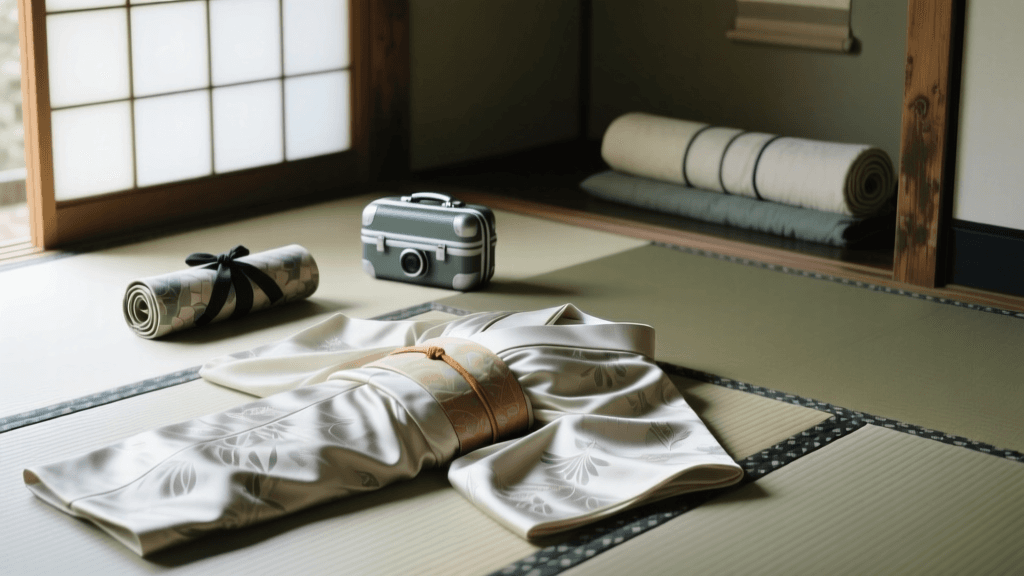
As global travel continues to evolve in 2026, a distinct trend has emerged among cultural enthusiasts and textile collectors: the desire to travel with personal, high-value traditional garments. Whether you are journeying to Kyoto for a private tea ceremony, attending the summer Nebuta Matsuri in Aomori, or simply exploring the historic streets of Kanazawa, bringing your own kimono elevates the experience from mere tourism to deep cultural immersion. However, traveling with silk, intricate weaves, and delicate dyes requires meticulous preparation. The modern transit environment—with its fluctuating cabin pressures, unpredictable humidity, and rigorous security checks—poses unique challenges to traditional Japanese textiles. This comprehensive 2026 guide will walk you through the precise methods, modern gear adaptations, and logistical strategies required to pack, transport, and care for your kimono on the go.
Essential Kimono Packing Gear for Transit
To protect a kimono from friction, moisture, and light exposure, you must assemble a specialized packing kit. While traditional tools remain foundational, 2026 has seen the introduction of advanced materials that offer superior protection during international flights.
- Tatoshi (畳紙): The traditional kimono storage envelope made from Washi (Japanese paper). For travel in 2026, many collectors are upgrading to acid-free, water-resistant Tyvek-blend tatoshi. These modern variants maintain the breathability of traditional paper while offering a crucial shield against accidental spills or sudden humidity spikes in the cargo hold.
- Tatami-mato (畳表): A traditional rush mat used for rolling garments. While excellent for long-term storage at home, rigid rush mats can be cumbersome in a suitcase. Modern travelers often substitute these with flexible, acid-free neoprene rolling sleeves that provide structural support without adding excessive weight to your luggage.
- Shikken (湿気) Desiccants: Moisture is the enemy of silk. Place small, non-toxic silica gel packets inside the folds of your tatoshi. In 2026, smart humidity-indicator tags are widely available; these small stickers change color if the micro-environment inside your luggage exceeds 60% relative humidity, alerting you to take action upon arrival.
- Hard-Shell Garment Folder: A structured, padded garment folder designed specifically for the dimensions of a folded kimono is essential for carry-on transit, preventing the garment from being crushed by heavier items.
The Art of Hon-Datami: Standard Folding
Unlike Western garments, which are cut along the curves of the body, the kimono is constructed from straight bolts of fabric. This geometric brilliance makes it inherently suited for flat folding, a method known as Hon-Datami (standard folding). When folded correctly, a kimono becomes a compact, uniform rectangle measuring approximately 33cm by 25cm, and about 5cm thick.
To execute the Hon-Datami for travel:
- Lay the kimono flat on a clean, dry surface, face down.
- Fold the back panel in half vertically along the center seam.
- Fold the sleeves inward, aligning them with the body of the garment.
- Fold the left side of the body over the right side, creating a long, narrow rectangle.
- Fold the bottom hem up to the collar, and then fold the garment in half or thirds depending on the length, until it forms the final compact rectangle.
Once folded, immediately slide the garment into your tatoshi. The paper will absorb minor ambient moisture and prevent the silk layers from rubbing against each other, which can cause micro-abrasions to delicate Yuzen dyes or metallic embroidery.
Comparison Chart: Traditional vs. Modern 2026 Travel Gear
| Item | Traditional Home Storage | 2026 Travel-Optimized Alternative | Benefit for Transit |
|---|---|---|---|
| Wrapper | Pure Washi Paper Tatoshi | Tyvek-Blend Acid-Free Tatoshi | Water-resistant, tear-proof, breathable |
| Rolling Mat | Rigid Rush Tatami-mato | Flexible Neoprene Archival Sleeve | Lightweight, crush-proof, saves space |
| Moisture Control | Camphor Wood Blocks | Silica Gel with Smart Indicator Tags | Odorless, precise humidity monitoring |
| Luggage Type | Paulownia Wood Drawer (Tansu) | Polycarbonate Hard-Shell Carry-On | Impact-resistant, climate-buffered |
Packing the Obi and Delicate Accessories
The obi (sash) and its accompanying accessories require entirely different packing logic. An obi should never be folded sharply, as this will permanently damage the stiff inner core and crack the metallic threads of brocade weaves. Instead, the obi must be rolled. Start from one end and roll it tightly but gently into a cylinder, securing it with a soft cotton ribbon or placing it inside a dedicated obi-ire (cylindrical storage bag).
For smaller accessories like obijime (decorative cords) and obidome (brooches), use a hard-shell electronics organizer or a specialized jewelry roll. The obidome, often crafted from fragile coral, jade, or cloisonné, must be wrapped individually in microfiber cloth to prevent scratching. Keep these accessories in your personal carry-on bag; never check them in the cargo hold, where extreme cold and rough handling can cause irreparable damage.
On-the-Go Wrinkle Release and Humidity Control
Even with perfect folding, minor creases may appear upon arrival. According to guidelines from the Metropolitan Museum of Art's Textile Conservation department, direct heat and heavy pressure from standard hotel irons can scorch silk and flatten the three-dimensional texture of crepe weaves like chirimen. Instead, rely on passive and gentle active steaming.
The Bathroom Steam Method: Hang the kimono on a wide, padded hanger in the bathroom. Run a hot shower to fill the room with steam, ensuring the garment is far enough away that no water droplets can splash onto the silk. Leave it for 20 minutes, then move it to the dry, air-conditioned bedroom to let the fibers relax and the creases fall out naturally.
Portable Steamers: If you must use a steamer, invest in a 2026-model handheld steamer with a specialized silk-attachment head that diffuses the vapor. Always steam from the inside (the lining side) of the garment, keeping the steamer at least 10 centimeters away from the fabric. Never press the steamer head directly against the silk.
Navigating Airports, Shinkansen, and Takuhaibin
Transporting your kimono through transit hubs requires strategic planning. When flying, always carry your folded kimono and obi in your cabin luggage. The cargo hold is subject to extreme temperature fluctuations that can make silk fibers brittle. According to the All Nippon Airways (ANA) baggage guidelines, fragile and high-value items should always be kept in the cabin, and flight attendants can often assist in finding flat storage space in overhead bins or dedicated closets if you are traveling in premium cabins.
Once you land in Japan, navigating crowded train stations with heavy luggage is a recipe for stress and potential garment damage. To solve this, utilize Japan's legendary Takuhaibin (luggage forwarding) service. As highlighted by the Japan National Tourism Organization (JNTO), Takuhaibin allows you to send your heavy suitcases, dressing kits, and zori (sandals) directly from the airport to your hotel or ryokan. This leaves you free to travel to your accommodation with only your carry-on containing your precious kimono, ensuring it remains under your watchful eye and safe from the crush of rush-hour transit.
Conclusion
Traveling with a kimono in 2026 is a rewarding endeavor that bridges the gap between historical appreciation and modern exploration. By respecting the traditional geometry of the Hon-Datami fold, upgrading to modern archival packing materials, and leveraging Japan's superior logistical services like Takuhaibin, you can ensure your garments arrive at your destination in pristine condition. Whether you are walking through the bamboo groves of Arashiyama or attending a formal dinner in Tokyo, the peace of mind that comes with expert packing allows you to fully immerse yourself in the profound beauty and living history of the kimono.