Buying Authentic Silk Kimono & Hanbok Online in 2026
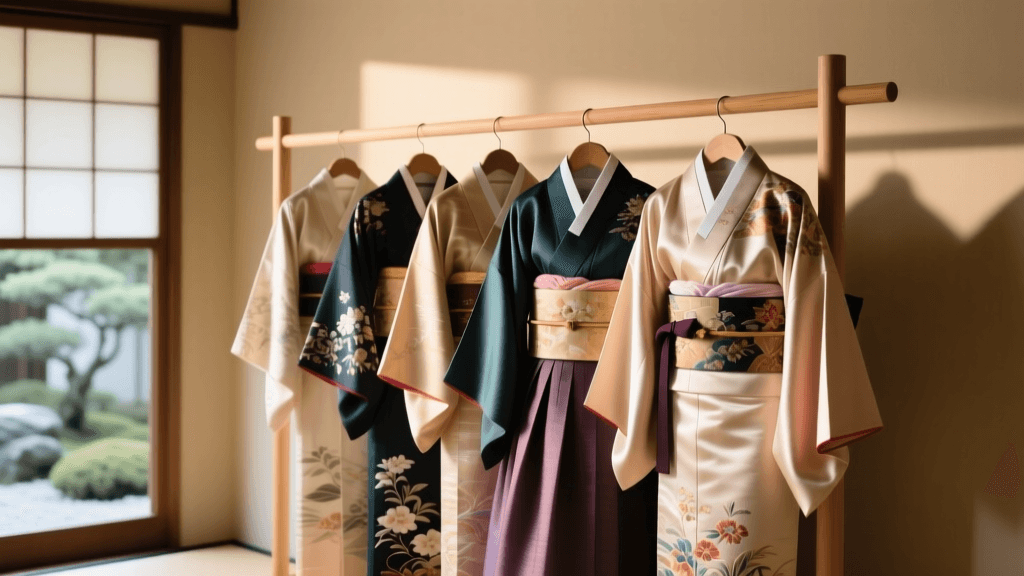
The 2026 Digital Marketplace for Traditional Asian Garments
The global appetite for traditional Asian garments has reached unprecedented heights in 2026, driven by a renewed interest in slow fashion, heritage craftsmanship, and cultural appreciation. However, the surge in demand has also flooded the internet with mass-produced, synthetic replicas masquerading as authentic heritage wear. For serious collectors, cultural practitioners, and fashion enthusiasts, navigating the online marketplace requires a keen eye and an understanding of digital provenance. Sourcing genuine silk kimono from Japan and traditional hanbok from South Korea is no longer just about finding a beautiful pattern; it is about verifying textile integrity, supporting certified artisans, and understanding cross-border e-commerce logistics.
Today, buyers must contend with AI-generated product images and sophisticated dropshipping networks that obscure the true origin of a garment. Fortunately, the digital landscape has also evolved. Blockchain-verified artisan tags, specialized proxy buying services, and direct-to-consumer artisan cooperatives have made it easier than ever to acquire museum-quality pieces directly from East Asia. This comprehensive guide will walk you through the exact strategies, terminology, and platforms needed to build an authentic traditional wardrobe in 2026.
Sourcing Authentic Silk Kimono on Japanese Platforms
When shopping for Japanese kimono online, domestic platforms like Rakuten, Yahoo! Auctions Japan, and specialized vintage dealers offer the most authentic selections. However, these sites are primarily in Japanese, requiring international buyers to utilize proxy services such as Buyee or ZenMarket. The key to avoiding synthetic blends is understanding traditional textile terminology and recognizing regional weaving certifications.
According to the Ministry of Economy, Trade and Industry (METI), Japan strictly regulates the labeling of traditional crafts. When browsing listings in 2026, always look for the term shouken (正絹), which translates to pure silk. If a listing uses terms like shouken-fuu (silk-like) or simply lists polyester blends, it is not an authentic heritage garment.
Key Kimono Shopping Metrics for 2026
- Material Verification: Look for the METI Traditional Craft Product seal, often photographed on the collar or accompanied by a digital certificate of authenticity in the listing.
- Weaving Techniques: Nishijin-ori (brocade weaving from Kyoto) and Yuki-tsumugi (hand-spun silk pongee) command premium prices. A vintage, authentic Nishijin silk obi in excellent condition typically ranges from $250 to $850 USD in 2026, while a new, custom-woven Yuki-tsumugi kimono can exceed $4,000 USD.
- Sizing and Measurements: Vintage kimono are often shorter in length. Always check the mitake (back length) and yuki (sleeve-to-center-back length). A standard modern yuki is around 68-70 cm; anything under 62 cm will likely be too short for the average adult wearer without significant alterations.
Finding Genuine Korean Hanbok via Specialized E-Commerce
The Korean hanbok has seen a massive evolution, with the modernized "daily hanbok" (gaeryang hanbok) dominating global fast-fashion sites. While these are excellent for casual streetwear, they often utilize cotton-polyester blends and machine embroidery. For traditional, ceremonial, or high-end silk hanbok, buyers must look toward specialized South Korean e-commerce platforms like Naver Smart Store, or international boutique aggregators that partner directly with the Korea Craft & Design Foundation (KCDF).
Authentic traditional hanbok relies heavily on the quality of the silk and the precision of the natural dyeing process. In 2026, top-tier artisans in regions like Jeonju and Seoul’s Bukchon Hanok Village are utilizing livestream shopping and high-definition macro photography to prove the integrity of their textiles to international buyers.
Essential Hanbok Terminology and Pricing
- Myeongju (명주): A traditional plain-weave silk that is highly breathable and historically significant. A genuine myeongju summer hanbok set (jeogori and chima/baji) crafted by a certified artisan typically costs between $600 and $1,500 USD.
- Geumbak (금박): The traditional art of applying gold leaf to silk. Authentic hand-stamped geumbak will show slight, natural imperfections and a distinct metallic depth that machine-foil printing cannot replicate. Expect to pay a 30% premium for genuine gold-leaf application.
- Mosi (모시): While not silk, fine ramie is a premier traditional textile for summer hanbok. Authentic Hansan mosi is incredibly labor-intensive to produce and is recognized for its crisp, translucent quality.
Marketplace Comparison: Artisan Boutiques vs. Mass Retailers
To help you navigate your purchasing decisions, we have compiled a comparison of the primary online avenues available to international buyers in 2026. Understanding where your money is going is crucial for building a genuine collection.
| Platform Type | Example Platforms | Avg. Silk Kimono Price (2026) | Avg. Silk Hanbok Price (2026) | Authenticity Guarantee |
|---|---|---|---|---|
| Domestic Proxy (Japan) | Buyee, ZenMarket (Rakuten/Yahoo) | $150 - $2,500 (Vintage/New) | N/A | High (Relies on seller ratings & METI tags) |
| Specialized Artisan Co-ops | KCDF Global Shop, Kyoto Craft Guild | $1,200 - $5,000+ (New/Bespoke) | $800 - $3,000+ (New/Bespoke) | Very High (Direct from certified artisans) |
| Global Vintage Marketplaces | Etsy, The RealReal, 1stDibs | $200 - $3,000 (Curated Vintage) | $300 - $1,500 (Antique/Vintage) | Medium (Requires buyer knowledge to verify) |
| Fast-Fashion / Dropship | AliExpress, Temu, Amazon (3P) | $30 - $80 (Polyester "Silk") | $40 - $120 (Poly-blend Daily Hanbok) | None (Mass-produced synthetic replicas) |
Red Flags: Avoiding Synthetic Knockoffs and AI Scams
The sophistication of online scams has increased dramatically by 2026. The most prevalent issue facing traditional garment buyers is the use of AI-generated imagery. Scammers will use generative AI to create stunning, hyper-realistic images of kimono and hanbok featuring impossible weaving patterns or non-existent family crests (kamon). When the garment arrives, it is a cheap, sublimation-printed polyester shell.
How to protect yourself:
- Demand Raw Media: Always ask the seller for a quick, unedited smartphone video of the garment in natural light. AI cannot yet perfectly replicate the dynamic light refraction of real silk threads in a spontaneous video.
- Inspect the Linings: Authentic vintage kimono often feature distinct, sometimes contrasting silk linings (hakkake and doura). Mass-produced fakes usually have cheap, fused polyester linings or are entirely unlined.
- Check the Terminology: Be highly suspicious of listings that use contradictory terms, such as "100% Silk Satin Kimono" (traditional kimono rarely use modern satin weaves; they use chirimen, tsumugi, or rinzu) or "Stretch Silk Hanbok" (traditional silk does not stretch).
For deeper historical context on what constitutes genuine heritage weaving, collectors frequently consult the Victoria and Albert Museum's Asian Collections archives to compare historical motifs and structural integrity against modern online listings.
International Shipping, Customs, and Garment Care
Purchasing a $2,000 Nishijin silk kimono or a bespoke Myeongju hanbok is a significant investment, and getting it safely to your doorstep in 2026 requires careful logistical planning. When using Japanese proxy services, always opt for DHL or FedEx Express over standard maritime shipping. The humidity in maritime cargo containers can cause irreversible water spotting and mildew on untreated natural silk.
Customs and Import Duties: Be prepared for import taxes. In the US and EU, antique textiles (over 100 years old) can sometimes be classified under duty-free antique codes, but you must provide a sworn appraisal or auction house documentation. For modern artisan pieces, expect to pay standard apparel import duties, which can range from 10% to 18% depending on your local 2026 trade agreements.
Immediate Care Upon Arrival: Once your garment arrives, remove it from all plastic packaging immediately. Silk is a protein fiber that needs to breathe. Hang your hanbok on a wide, padded hanger to preserve the shoulder line, and store your kimono flat, folded along its original seams, in an acid-free tatoushi (paper wrapping). Include natural camphor or cedar blocks to deter pests, but never let the wood or oils touch the silk directly. By respecting the physical needs of these textiles, you ensure that your digitally sourced heritage garments will survive for generations to come.