Hanfu Travel Wardrobe 2026: Packing Essentials & Destination Tips
The Rise of the Global Hanfu Traveler in 2026
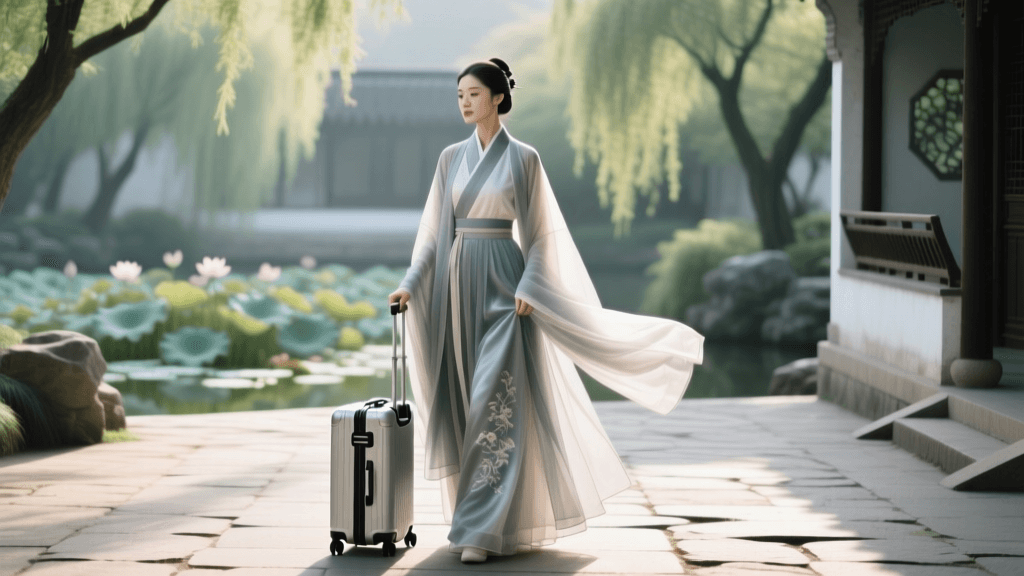
The global resurgence of traditional Chinese clothing has transformed how we experience international travel in 2026. No longer confined to local festivals or studio photography, Hanfu has become a dynamic, wearable expression of heritage that crosses borders. However, traveling with traditional garments presents unique logistical challenges. Voluminous sleeves, intricate pleats, and delicate silk fabrics require a strategic approach to packing and styling. Whether you are wandering through the historic streets of Kyoto or attending a gallery opening in Paris, curating a destination-specific Hanfu wardrobe is essential for both comfort and cultural authenticity.
Building Your 2026 Hanfu Travel Capsule Wardrobe
A successful travel wardrobe relies on versatility, and the modern Hanfu market in 2026 offers incredible innovations in textile engineering that cater specifically to the globetrotter. When selecting pieces for your suitcase, focus on historical silhouettes that translate well to modern mobility while retaining their traditional elegance.
Spring and Summer Destinations: Song and Tang Inspirations
For warm-weather destinations, the Song Dynasty aesthetic is unparalleled. The Song-style Beizi, a long, open-front jacket, paired with a lightweight Baizhequn (hundred-pleat skirt), offers exceptional breathability. In 2026, many heritage brands have introduced travel-specific versions of these garments using a washed linen and cupro blend. This fabric mimics the drape and sheen of traditional silk but is inherently wrinkle-resistant and machine-washable, making it a lifesaver for extended trips. The narrow sleeves of certain Song-style tops also prevent the fabric from dragging through bustling markets or dipping into culinary experiences at street food stalls.
Autumn and Winter Escapes: Ming Dynasty Elegance
Conversely, autumn and winter escapes call for the structured majesty of the Ming Dynasty. The Mamianqun, or horse-face skirt, is a masterpiece of traditional tailoring. Its flat front and back panels with heavily pleated sides provide a striking silhouette that pairs beautifully with modern winter coats. To pack a Mamianqun without ruining its crisp pleats, travelers are increasingly relying on specialized garment boards. Furthermore, layering a traditional Pifeng (cape or cloak) over a high-collared Ao (jacket) provides authentic historical warmth without the bulk of modern synthetic puffers, allowing you to maintain a regal profile even in chilly climates.
Wrinkle-Free Packing: Gear and Techniques
Packing traditional garments requires a departure from standard rolling methods. According to Smithsonian Magazine expert packing strategies, maximizing space while preserving garment integrity is the cornerstone of efficient travel. For Hanfu enthusiasts, this means investing in specialized gear.
The most crucial item in a 2026 Hanfu traveler's kit is the rigid pleat-protection folder. Unlike standard packing cubes, these folders feature hard-shell inserts that sandwich the flat panels of a Mamianqun, keeping the pleats perfectly compressed and aligned. For wide-sleeved garments like the Tang Dynasty Daxiushan, the traditional bundle-wrapping technique, historically used by traveling scholars, has been modernized. By wrapping the garment around a core of soft, unbleached cotton tissue paper, you prevent hard creases from forming at the joints and shoulders.
The Metropolitan Museum of Art notes in its Heilbrunn Timeline on Silk Road textiles that historical travelers often utilized oiled paper and layered cloth wrapping to protect precious silks from the elements. Today, we achieve this through hydrophobic garment bags. These ultra-lightweight, water-resistant bags not only shield your silks from sudden rainstorms but also prevent friction against other items in your luggage, significantly reducing the risk of snags and micro-tears.
Destination Styling Guide: Where to Wear What
Adapting your Hanfu to your destination is an art form that balances historical accuracy with environmental awareness. The Victoria and Albert Museum emphasizes the profound connection between textiles and their geographical contexts, a principle that applies perfectly to modern destination styling. Below is a curated guide for matching your Hanfu to global destinations in 2026.
| Destination | Recommended Era | Best Fabric for 2026 | Key Accessory |
|---|---|---|---|
| Kyoto, Japan | Song Dynasty | Washed Linen-Cupro Blend | Minimalist Jade Hairpin |
| Paris, France | Ming Dynasty | Heavy Mulberry Silk Brocade | Enamel Floral Clutch |
| Xi'an, China | Tang Dynasty | Breathable Tencel-Silk | Gold-Threaded Ribbon |
| London, UK | Wei-Jin Period | Layered Ramie and Wool | Structured Bamboo Fan |
Kyoto, Japan
The shared architectural and aesthetic sensibilities between traditional Japanese and Chinese cultures make Kyoto an ideal backdrop for Song Dynasty minimalism. The understated elegance of narrow-sleeved jackets and muted, nature-inspired embroidery complements the serene bamboo groves and wooden temples without appearing overly theatrical.
Paris, France
The fashion capital of the world appreciates structural brilliance, making the Ming Dynasty Mamianqun a perfect choice for Parisian evenings. The intricate woven brocades and gold-threaded motifs catch the evening light beautifully, offering a sophisticated alternative to contemporary haute couture when attending cultural events or dining at fine establishments.
Xi'an, China
As the ancient starting point of the Silk Road, Xi'an demands the vibrant, cosmopolitan energy of the Tang Dynasty. Brightly colored Banbi (half-sleeve jackets) and high-waisted chest-ruqun skirts reflect the historical prosperity and international trade that defined the city during its golden age, making it perfect for immersive photography at the City Wall.
London, UK
The unpredictable, often damp weather of London requires the layered, flowing elegance of the Wei-Jin period. Wide, sweeping sleeves and overlapping collars in heavier ramie and lightweight wool blends offer a romantic, scholarly aesthetic that pairs wonderfully with the city's gothic architecture and historic libraries.
Climate Adaptations and Modern Comforts
One of the most significant advancements in 2026 is the integration of climate-adaptive technology into traditional garment construction. Extreme heat can make wearing multiple layers of historical clothing unbearable. To combat this, contemporary Hanfu makers are utilizing bamboo-charcoal infused linings that actively wick moisture and regulate body temperature. These hidden linings allow wearers to maintain the illusion of heavy, multi-layered historical dress while remaining cool in tropical climates like Singapore or Bangkok.
For colder destinations, the traditional layering system is enhanced by modern thermal base layers designed specifically to remain invisible beneath the wide collars and high waistbands of Hanfu. Skin-tone, ultra-fine merino wool tops provide exceptional insulation without adding visible bulk, ensuring that the historical silhouette remains unbroken.
On-the-Go Garment Maintenance
Maintaining pristine garments on the road requires a compact, highly effective toolkit. A portable, dual-voltage travel steamer is non-negotiable. Unlike irons, which can scorch delicate silk brocades or flatten intricate embroidery, a high-pressure handheld steamer gently relaxes fibers and restores the natural drape of the fabric in minutes.
Additionally, carrying a biodegradable, water-based stain removal pen is essential for dining out. Traditional silk is notoriously unforgiving when exposed to oils and sauces, and immediate spot treatment can save a priceless garment from permanent damage. Finally, a small bottle of anti-static spray is invaluable for dry, air-conditioned environments, preventing lightweight skirts from clinging awkwardly to your legs and disrupting the garment's graceful movement.
Conclusion
Traveling with Hanfu in 2026 is a profound way to carry your cultural heritage across the globe, turning every destination into a canvas for historical artistry. By thoughtfully selecting climate-appropriate fabrics, utilizing specialized packing gear, and matching your silhouette to the spirit of your destination, you ensure that your traditional garments remain as vibrant and pristine as the day they were woven. As the global community of Hanfu travelers continues to grow, so too does our appreciation for the timeless elegance and enduring legacy of Asian sartorial traditions.