Ceremonial vs Everyday Hanbok and Kimono: 2026 Guide
The 2026 Renaissance of Asian Traditional Garments
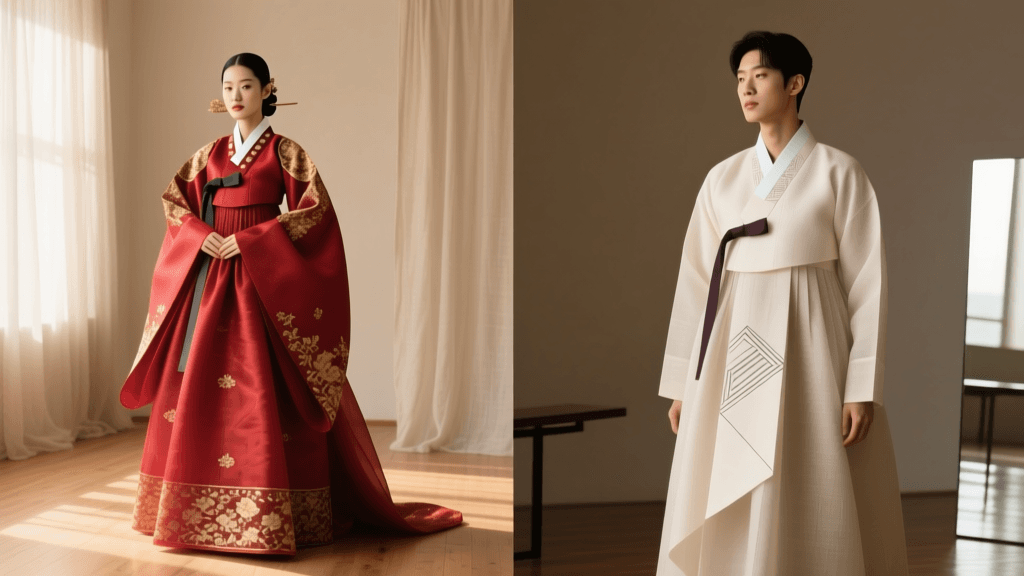
As we navigate the fashion landscape of 2026, the dichotomy between ceremonial and everyday traditional Asian garments has never been more fascinating. Across East Asia, a dual movement is underway: the meticulous preservation of heavyweight, historically accurate ceremonial wear, and the explosive growth of modernized, lightweight everyday traditional fashion. For enthusiasts, collectors, and modern wearers, understanding the structural, financial, and stylistic differences between these two categories is essential. Whether you are preparing for a traditional wedding or looking to incorporate heritage textiles into your daily wardrobe, this comprehensive guide breaks down the realities of wearing and buying traditional garments in 2026.
The Ceremonial Heavyweights: Hwalot and Uchikake
Ceremonial garments are the museum-grade masterpieces of Asian textile history. They are designed not for comfort or mobility, but for visual impact, symbolic resonance, and strict adherence to historical protocol. In 2026, the market for authentic ceremonial wear remains highly specialized, dominated by bespoke artisans and high-end rental houses in Seoul, Tokyo, and Kyoto.
The Korean Hwalot (활옷)
The Hwalot is the quintessential Korean bridal and princess robe. Originating from the Joseon Dynasty, this ceremonial over-robe is characterized by its vibrant color blocking—typically a striking combination of deep red and cobalt blue—and its elaborate, auspicious embroidery. According to Britannica's historical archives on the hanbok, the Hwalot's motifs, which include peonies, butterflies, and white cranes, are strictly codified to represent longevity, fertility, and marital harmony.
- Construction & Weight: A traditional Hwalot is constructed from heavy, multi-layered silk. The wide sleeves and floor-sweeping hem can weigh upwards of 4 to 6 kilograms (8.8 to 13.2 lbs), requiring the wearer to move with deliberate, measured grace.
- 2026 Pricing & Acquisition: Purchasing a newly hand-embroidered, authentic silk Hwalot from a master artisan in Seoul's Bukchon Hanok Village will cost between $8,000 and $15,000 USD in 2026. Consequently, 95% of modern brides opt for rental services, which charge between $400 and $900 USD for a weekend package, including professional dressing assistance.
The Japanese Uchikake (打ち掛け)
The Uchikake is Japan's most formal wedding kimono, worn as an outer robe over a base kimono (kakeshita). Unlike standard kimono, the Uchikake is never tied with an obi sash; it is left open to trail dramatically on the floor. As noted in Britannica's comprehensive guide to the kimono, the trailing hem is heavily padded with cotton or synthetic wadding, creating a luxurious, sweeping silhouette that commands attention.
- Textile Innovations: While traditional Nishijin-ori (brocade) silk remains the gold standard, 2026 has seen the introduction of 'smart-weave' metallic threads that catch LED and natural light differently, enhancing the garment's presence in modern wedding photography.
- 2026 Pricing & Acquisition: A bespoke silk Uchikake easily exceeds $20,000 USD. Rental remains the standard, with premium 2026 bridal packages in Tokyo ranging from $1,200 to $3,500 USD, which invariably includes the mandatory services of a licensed kitsuke (kimono dressing) professional.
The Everyday Revolution: Saenghwal Hanbok and Modern Separates
While ceremonial wear remains frozen in historical amber, everyday traditional garments have undergone a radical, pragmatic evolution. The goal of the 2026 everyday traditional market is integration: allowing wearers to incorporate heritage silhouettes into modern, active lifestyles without the burden of complex dressing rituals or dry-clean-only fabrics.
Saenghwal Hanbok (생활한복)
Translating to 'daily life hanbok,' the Saenghwal Hanbok strips away the voluminous layers of ceremonial wear. The 2026 iterations focus on breathable, machine-washable fabrics like ramie-cotton blends, washed linen, and high-grade Tencel. The jeogori (jacket) is often shortened to the natural waist, and the chima (skirt) is tailored to hit just below the calf, preventing the hem from dragging on urban streets.
- Practicality: Modern Saenghwal Hanbok feature hidden side-seam pockets, elasticized waistbands concealed by traditional tie-ribbons, and snap-button closures hidden beneath decorative goreum (ties).
- 2026 Market Costs: High-quality, ready-to-wear Saenghwal Hanbok sets from popular contemporary brands like Leesle or Danha are priced between $120 and $280 USD, making them accessible for daily office wear or weekend outings.
Modern Kimono Separates and Two-Piece Designs
In Japan, the barrier to entry for traditional dress has historically been the complex art of kitsuke (dressing). The 2026 market has solved this with the proliferation of two-piece kimono (separates that mimic the overlapping okumi front panels) and washable polyester silks. These garments are designed to be put on in under five minutes, requiring no specialized padding or tying skills.
- Fabric Care: Unlike ceremonial silk, everyday modern kimono separates are engineered for the washing machine. They utilize advanced polyester weaves that replicate the slubbed texture of raw silk (tsumugi) while resisting water spots and wrinkles.
- 2026 Market Costs: A complete two-piece modern kimono set, including a pre-tied, clip-on obi sash, typically retails for $80 to $200 USD.
2026 Comparison Chart: Ceremonial vs. Everyday Garments
To help you make informed purchasing or styling decisions, refer to the structured comparison below detailing the core differences between these garment categories in the current market.
| Feature | Ceremonial (Hwalot / Uchikake) | Everyday (Saenghwal / Separates) |
|---|---|---|
| Primary Fabric | Heavy silk brocade, Nishijin-ori, multi-layered satin | Ramie, linen-cotton blends, washable polyester |
| Garment Weight | 4.0 kg - 7.0 kg (Highly restrictive) | 0.4 kg - 0.8 kg (Comparable to modern dress) |
| Dressing Time | 45 - 90 minutes (Requires professional assistance) | 3 - 10 minutes (Self-dressing, intuitive closures) |
| Maintenance | Specialist dry cleaning, paulownia wood storage | Machine washable (cold/gentle), standard closet hanging |
| 2026 Cost (USD) | $400 - $1,500 (Rental) / $8,000+ (Purchase) | $80 - $300 (Direct Retail Purchase) |
| Mobility | Restricted; requires slow, gliding steps | Full mobility; suitable for transit and office work |
Practical Buying, Sizing, and Care Guide for 2026
If you are looking to invest in traditional garments this year, understanding sizing and care is critical. Unlike Western tailoring, traditional Asian garments often rely on adjustable wrapping and tying, but modern everyday versions have adopted more standardized sizing.
Sizing and Measurements
For everyday Hanbok, the most crucial measurement is the chima (skirt) length. In 2026, the most versatile length for urban wear is exactly 2 inches below the mid-calf. This prevents the hem from catching on escalators or muddy pavement while maintaining the traditional A-line volume. For the jeogori (jacket), ensure the sleeve length ends precisely at the wrist bone; overly long sleeves are a hallmark of poorly fitted, mass-produced tourist garments.
For modern Kimono separates, focus on the yuki (sleeve length from the center back of the neck to the wrist). A standard modern fit should allow the sleeve to drape slightly over the hand when the arms are relaxed at your sides, but the cuff should not extend past the knuckles.
Storage and Maintenance
Ceremonial Care: If you own a silk Uchikake or Hwalot, never store it in plastic, which traps moisture and causes yellowing. In 2026, the standard for preservation remains the traditional tatou paper and paulownia wood boxes (tansu), which naturally regulate humidity. Have the garment professionally aired out and repacked by a specialist every two years.
Everyday Care: For washable Saenghwal Hanbok and polyester kimono, use a neutral pH detergent (like Woolite or specialized silk-wash alternatives). Always wash on a cold, delicate cycle inside a mesh laundry bag to protect the structural seams. Hang dry in the shade; direct 2026 summer UV rays can rapidly degrade even high-grade synthetic dyes.
Modern Styling: Bridging the Gap in 2026
The most exciting trend in 2026 is the hybridization of traditional and contemporary wardrobes. You no longer need to wear a full traditional ensemble to honor the culture. Here are actionable styling formulas for the modern wearer:
The 2026 Styling Rule of Thumb: Balance volume and structure. If the traditional piece is voluminous, pair it with tailored, structured modern basics. If the traditional piece is fitted, pair it with flowing contemporary bottoms.
- The Hanbok Blouse & Denim: Pair a modern, cotton jeogori with high-waisted, wide-leg vintage denim. The structural collar of the jeogori mimics the crispness of a button-down shirt, while the curved hemline adds a unique silhouette that standard blouses lack.
- The Haori as Outerwear: The Japanese haori (a hip- or thigh-length kimono jacket) is the ultimate transitional outerwear piece for 2026. Wear a tailored, unlined linen haori over a fine-gauge merino wool turtleneck and tailored trousers. Use a simple braided haori himo (cord) to tie it at the waist, replacing the need for a heavy winter scarf.
- Footwear Transitions: Abandon the notion that traditional garments require traditional footwear. While wooden geta or embroidered kkotsin are mandatory for ceremonial wear, everyday Hanbok and Kimono pair beautifully with modern leather loafers, minimalist white sneakers, or Chelsea boots. The contrast between heritage textiles and modern footwear grounds the outfit, signaling intentional styling rather than costume wear.
Conclusion
The landscape of Asian traditional garments in 2026 is defined by a healthy respect for the past and a pragmatic embrace of the present. Ceremonial masterpieces like the Hwalot and Uchikake will always hold their place as breathtaking symbols of cultural heritage and life's most significant milestones. Meanwhile, the everyday Saenghwal Hanbok and modern kimono separates prove that traditional silhouettes can seamlessly integrate into the fast-paced realities of modern life. By understanding the distinct purposes, fabrics, and care requirements of both categories, you can build a wardrobe that is as historically respectful as it is effortlessly wearable.