Hanfu Travel Guide 2026: Packing Tips & Top Destinations
The year 2026 has cemented Hanfu not merely as a historical reenactment garment, but as a vibrant, living component of global travel and cultural tourism. Driven by the Xin Zhongshi (new Chinese style) movement, travelers are increasingly packing traditional Chinese garments for immersive photography, cultural festivals, and heritage site visits. However, traveling with centuries-old silhouettes presents unique logistical challenges. From preserving the crisp knife-pleats of a Ming Dynasty Mamianqun to navigating cobblestone streets in traditional footwear, a successful Hanfu journey requires meticulous planning. This comprehensive guide outlines the best packing strategies, essential travel gear, and the top destinations for Hanfu photography in 2026.
Strategic Packing: Preserving Pleats and Delicate Silks
Packing traditional garments requires a departure from standard rolling or folding techniques. The structural integrity of Hanfu, particularly the pleated skirts and structured collars, demands specialized care to ensure you spend less time steaming and more time exploring.
The Tissue-Roll Method for Mamianqun
The Mamianqun, or horse-face skirt, is a staple of Ming Dynasty-inspired Hanfu and a favorite for travel photography due to its dynamic movement. To pack this garment without crushing its signature pleats:
- Stuff the Pleats: Use acid-free archival tissue paper to gently stuff the inner folds of each pleat. This prevents the fabric from collapsing under the weight of your luggage.
- The Cylinder Roll: Lay the skirt flat, align the pleats perfectly, and roll it around a cylindrical core, such as a clean PVC pipe or a specialized garment rolling tube.
- Secure the Waistband: Wrap the stiffened waistband around the outside of the roll and secure it with silk-friendly velcro ties, avoiding elastic bands that can leave permanent indentations on brocade.
Fabric Selection for the Modern Traveler
When curating your 2026 travel wardrobe, fabric choice is paramount. While authentic heavy silk brocades and pure mulberry silks are breathtaking, they are highly susceptible to water spots and severe wrinkling. For travel, prioritize high-quality crepe de chine, textured chiffon, and modern polyester-silk blends. These materials offer the elegant drape required for traditional silhouettes while providing wrinkle resistance and quick-dry capabilities if caught in a sudden spring shower. According to textile conservation guidelines outlined by the Victoria and Albert Museum, minimizing friction and moisture exposure is key to preserving delicate historical textiles, a principle that applies equally to modern travel replicas.
Essential 2026 Travel Gear for Hanfu Enthusiasts
To maintain your garments on the road, your luggage must include a few specialized tools.
- Smart Portable Steamers: The latest 2026 models of handheld travel steamers feature dual-voltage capabilities and ceramic-coated plates that glide safely over delicate synthetic blends and silk without scorching. Look for models with a collapsible water tank to save space.
- Wrinkle-Release Sprays: For quick touch-ups between photo shoots, a botanical wrinkle-release spray is invaluable. Simply mist the garment, gently tug the fabric taut, and let it air dry for five minutes.
- Compartmentalized Garment Folders: Invest in a structured garment folder with separate compartments for your Ruqun (top and skirt sets) and Beizi (jackets). This prevents hardware, such as metal clasps or embroidered buttons, from snagging on delicate chiffon layers.
Top Hanfu Travel Destinations for 2026
China's high-speed rail network expansions in 2026 have made historically significant cities more accessible than ever. Here are the premier destinations for Hanfu immersion and photography.
Luoyang: The Tang Dynasty Immersion
Luoyang, the ancient capital of multiple dynasties, has fully embraced the Hanfu tourism boom. The Yingtian Gate and the Mingtang Tiantang scenic areas offer monumental, sweeping architecture that perfectly complements the voluminous, high-waisted Qixiong Ruqun of the Tang Dynasty. In 2026, the city's nighttime illumination projects have been upgraded with dynamic LED mapping, allowing for stunning night-time photography. The wide plazas and grand staircases provide the perfect backdrop for capturing the flowing sleeves and vibrant silk ribbons characteristic of Tang-era fashion.
Suzhou: Ming Dynasty Elegance in Classical Gardens
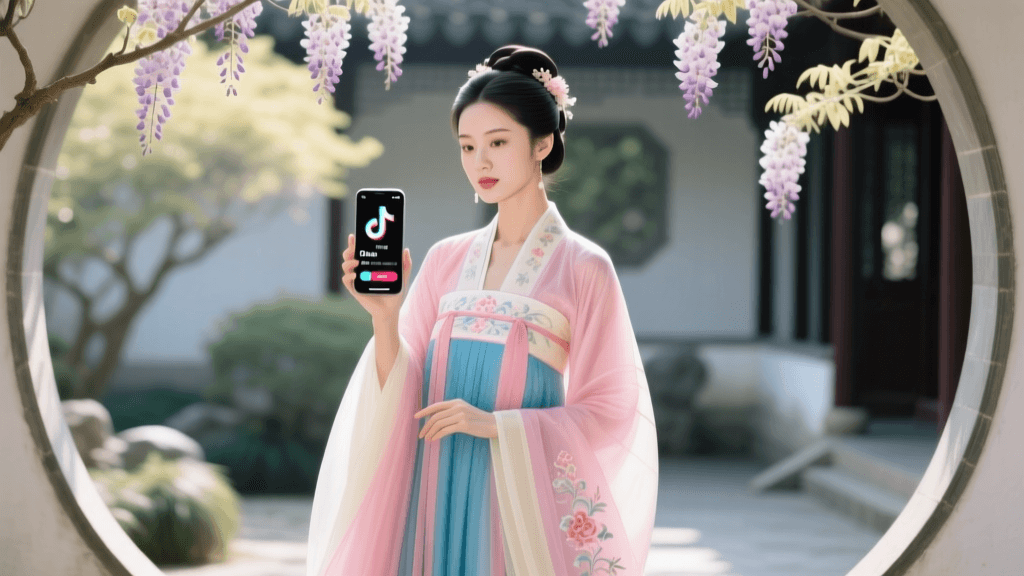
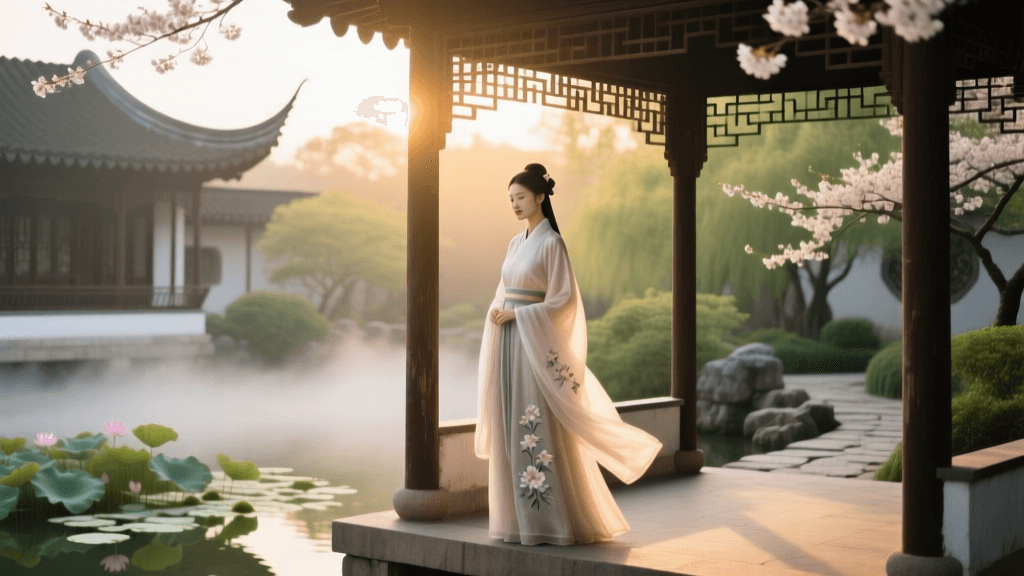
For a more subdued, poetic aesthetic, Suzhou is unparalleled. The classical gardens of Suzhou, recognized for their profound cultural and architectural significance by the UNESCO World Heritage Centre, offer intimate, meticulously framed vistas. The winding corridors, moon gates, and tranquil koi ponds of the Humble Administrator's Garden are ideal for photographing the refined, structured silhouettes of Ming Dynasty Hanfu. The interplay of natural light filtering through bamboo groves onto the intricate embroidery of a Beizi jacket creates a timeless, scholarly aesthetic. Travelers should visit early in the morning to avoid crowds and capture the mist rolling off the garden's lotus ponds.
Xi'an: Silk Road Vibrancy and City Wall Sunsets
Xi'an remains a cornerstone of cultural tourism, representing the eastern terminus of the ancient Silk Road. As noted by The Metropolitan Museum of Art, the Silk Road was a vital conduit for the exchange of textiles, motifs, and fashion across Eurasia. To honor this history, travelers often don Hanfu featuring Central Asian-inspired round collars (Yuanlingpao) and bold, geometric patterns. Renting a bicycle and riding the ancient Xi'an City Wall at sunset while wearing a flowing Yuanlingpao is a quintessential 2026 travel experience, blending historical reverence with dynamic, modern adventure.
Matching Hanfu Styles to Travel Scenarios
Selecting the right garment for your itinerary ensures both photographic brilliance and physical comfort.
| Hanfu Style | Historical Era | Best Travel Scenario | Mobility Rating |
|---|---|---|---|
| Mamianqun (Horse-face Skirt) | Ming Dynasty | Urban exploration, museum visits, dining | High |
| Qixiong Ruqun (Chest-high Skirt) | Tang Dynasty | Grand architecture, night photography, festivals | Medium |
| Beizi (Long Jacket) & Songku | Song Dynasty | Garden strolls, tea houses, nature hikes | Very High |
| Yuanlingpao (Round Collar Robe) | Tang / Ming | City wall cycling, equestrian activities, Silk Road tours | High |
Navigating Traditional Footwear on the Go
Authenticity in Hanfu extends to the feet, but traditional cloud shoes (Yunxie) or wooden clogs are rarely suited for miles of walking on uneven heritage site paving. In 2026, the market has responded with hybrid footwear. Artisans now craft traditional-looking silk uppers with modern, orthotic memory-foam soles and hidden arch support. When packing, bring one pair of authentic, embellished cloud shoes strictly for stationary photography sessions, and rely on a pair of minimalist, neutral-toned modern slip-ons or hybrid Hanfu sneakers for the transit between locations. This dual-footwear strategy prevents blisters and preserves your delicate embroidered shoes from mud and wear.
Conclusion: Embracing the Journey
Traveling with Hanfu in 2026 is a deeply rewarding endeavor that bridges the gap between historical appreciation and modern exploration. By employing strategic packing techniques, selecting travel-friendly fabrics, and choosing destinations that complement your garments, you can elevate your cultural tourism experience. Whether you are capturing the grandeur of Luoyang's gates or the quiet poetry of a Suzhou garden, the effort of bringing traditional attire on the road transforms a simple vacation into a living, breathing homage to Asian heritage. Pack thoughtfully, walk confidently, and let the rich tapestry of history unfold before your lens.