Traveling With Hanfu in 2026: Packing Tips & Top Destinations
The Rise of Hanfu Tourism in 2026
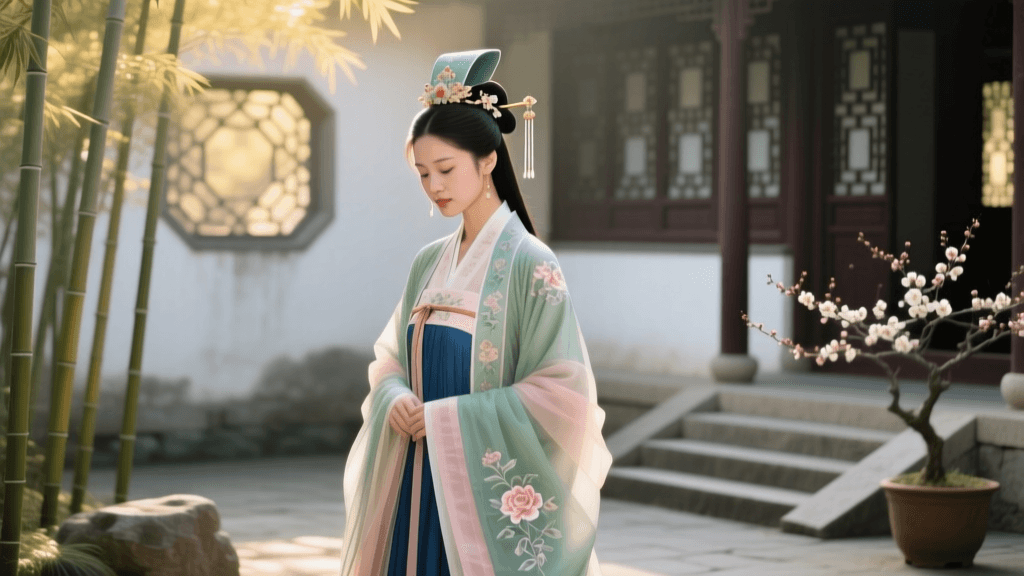
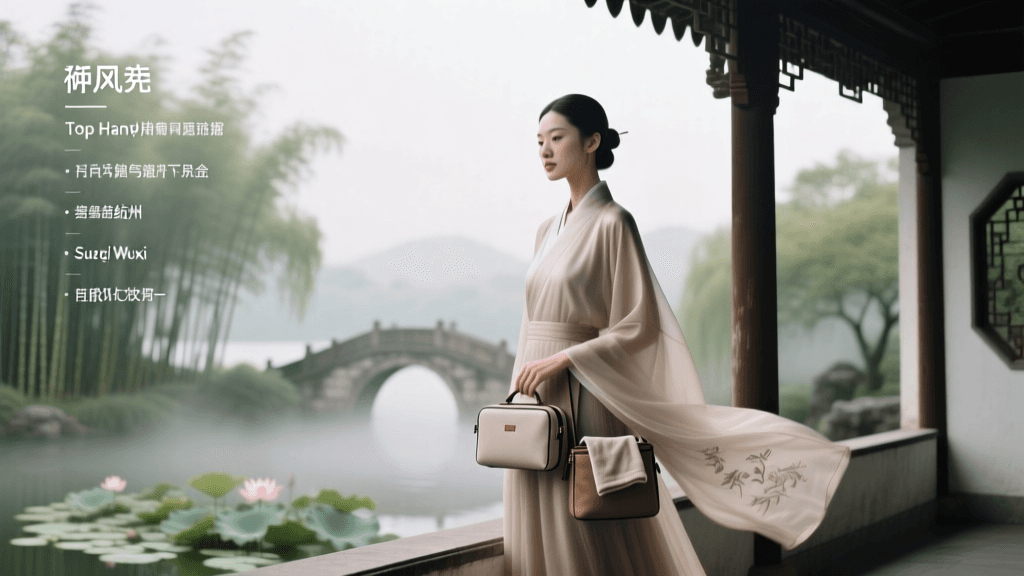
The cultural renaissance of traditional Chinese clothing has transformed the way travelers experience Asia. As of 2026, 'Hanfu travel' is no longer a niche hobby but a mainstream tourism phenomenon. Millions of enthusiasts are traversing the globe, and particularly China, to capture breathtaking photography and immerse themselves in living history. However, traveling with traditional garments presents unique logistical challenges. From preserving the intricate pleats of a Ming Dynasty skirt to navigating airport security with ornate hairpins, a successful trip requires meticulous preparation. This comprehensive guide provides actionable packing strategies, fabric maintenance tips, and a curated list of the best destinations for Hanfu photography in 2026.
The Ultimate 2026 Hanfu Packing Checklist
Packing Hanfu requires a different approach than packing modern western clothing. The layered nature of the garments, combined with delicate textiles and rigid accessories, demands specialized packing techniques.
Garment Selection: Wrinkle-Resistant vs. Traditional
When curating your travel wardrobe, balance authenticity with practicality. The 2026 Xin Zhongshi (new Chinese style) movement has introduced high-quality, wrinkle-resistant polyester-viscose blends that mimic the drape of traditional silk and linen. For everyday travel and transit days, pack these modern blends. Reserve your pure mulberry silk and raw linen garments for dedicated photoshoot days where you can steam them immediately upon arrival.
The Mamianqun Folding Technique
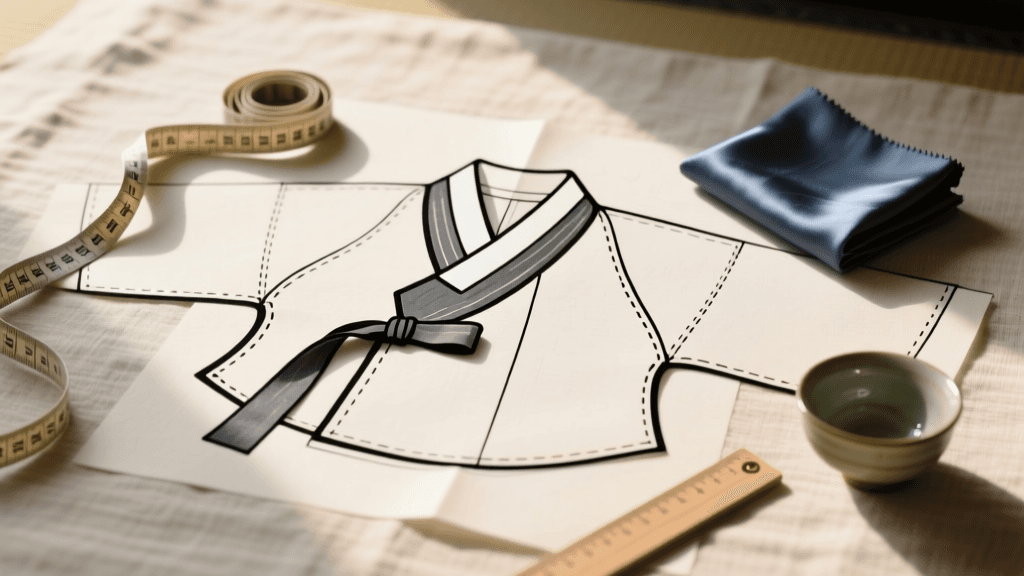
The Mamianqun (horse-face skirt) is a staple of the Hanfu wardrobe, but its structured pleats are notoriously difficult to pack. To preserve the pleats:
- Lay the skirt flat on a clean, hard surface.
- Align the front and back panels perfectly, ensuring the outer pleats are folded exactly along their natural crease lines.
- Fold the skirt in thirds lengthwise.
- Instead of folding the skirt in half, roll it gently from the hem up to the waistband. This prevents hard, horizontal creases from forming across the intricate jacquard weaves.
- Place the rolled skirt in a dedicated cylindrical packing tube or a rigid garment bag.
Accessories and Footwear
Traditional cloth shoes (xiaofang shoes) are lightweight but lack arch support for long days of walking. In 2026, many brands offer hybrid Hanfu footwear with hidden orthotic insoles and durable rubber outsoles. Pack these hybrid shoes for transit and sightseeing, and bring delicate, embroidered silk shoes strictly for photography. Store metal hairpins, buyao (dangling hairpins), and crowns in a hard-shell jewelry organizer with individual padded slots to prevent bending and tarnishing.
Fabric Care and Maintenance on the Go
Maintaining the pristine condition of your garments while on the road is crucial for high-quality photography and cultural respect.
Travel Steamers and Ironing
Never pack a traditional flat iron; the risk of scorching delicate silk linings is too high. Instead, invest in a 2026-model dual-voltage micro-steamer. Look for models featuring a ceramic-coated heating plate and a continuous steam output of at least 20 grams per minute. When steaming a Ruqun (blouse and skirt ensemble), hang the garment on a padded hanger in the bathroom. The ambient humidity from a hot shower, combined with targeted steaming, will release stubborn wrinkles without applying direct, damaging heat to the fabric.
Stain Management for Delicate Silks
Silk is highly susceptible to water spots and oil stains. Pack a specialized, pH-neutral silk detergent pen. According to textile preservation guidelines from the Victoria and Albert Museum, immediate spot treatment with a gentle, non-alkaline solution is critical for protein-based fibers like silk. Avoid rubbing the stain; instead, blot it gently with a microfiber cloth and allow it to air dry. For a deeper understanding of historical textile care and the Silk Road exchanges that popularized these fabrics, the Metropolitan Museum of Art offers extensive resources on the evolution of Asian silk weaving.
Top Hanfu Travel Destinations for 2026
Choosing the right destination elevates the Hanfu experience, providing historically accurate backdrops and supportive local infrastructure.
Luoyang: The Undisputed Hanfu Capital
Luoyang, in Henan Province, has fully embraced its identity as the premier destination for Hanfu tourism. As of 2026, the city offers dedicated 'Hanfu Express' bus routes connecting major historical sites. The Yingtian Gate of the Sui and Tang Dynasties Luoyang City ruins is spectacularly illuminated at night, providing a cinematic backdrop for Tang Dynasty-style Qixiong Ruqun (chest-high skirts). Local rental shops and makeup studios line the streets, offering professional styling that adheres to strict historical accuracy standards.
Xi'an: Tang Dynasty Grandeur
Xi'an remains a heavyweight for traditional garment photography. The Datang Everbright City pedestrian district is a sprawling, immersive Tang Dynasty recreation. Walking through the lantern-lit streets in a vibrant, wide-sleeved Banbi (half-arm jacket) and Pibo (shawl) feels like stepping back in time. For a more subdued, elegant aesthetic, the ancient City Wall at sunrise offers a dramatic, windswept backdrop perfect for Ming Dynasty Beizi (long coats) and Mamianqun.
Suzhou: Classical Elegance
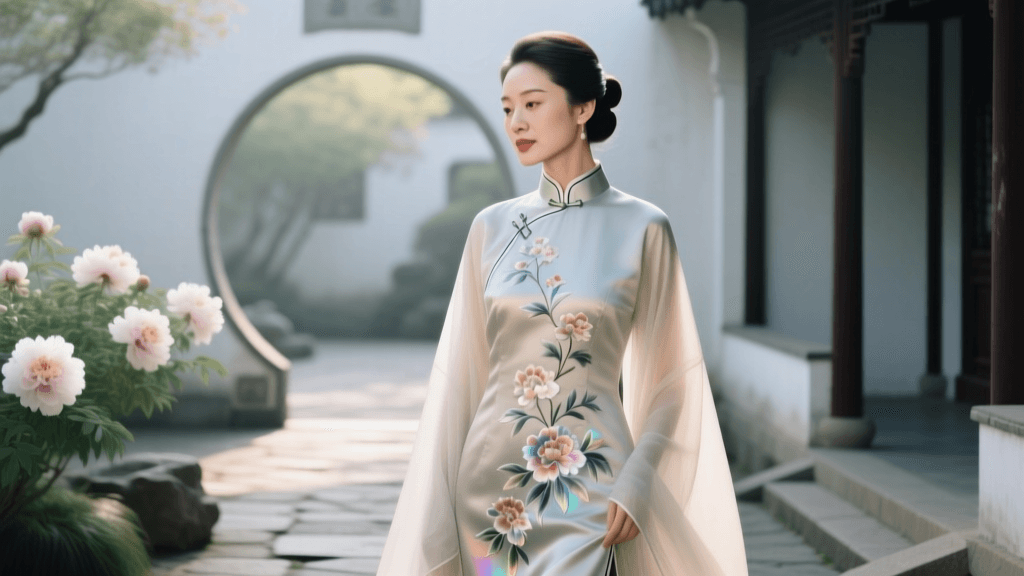
For those who prefer the understated, intellectual elegance of the Song and Ming dynasties, Suzhou is unparalleled. The city's classical gardens, recognized by the UNESCO World Heritage Centre, provide intimate, meticulously landscaped settings. The Humble Administrator's Garden (Zhuozhengyuan) features winding corridors, lotus ponds, and moon gates that perfectly frame the slender silhouettes of Song Dynasty Beizi and pleated skirts. Early morning entry is essential to avoid crowds and capture the soft, diffused light filtering through the bamboo groves.
Destination Comparison Chart
| Destination | Recommended Hanfu Style | Best Season (2026) | Key Photography Highlight |
|---|---|---|---|
| Luoyang | Tang Dynasty Ruqun & Pibo | Spring (April - May) | Yingtian Gate night illuminations |
| Xi'an | Tang & Ming Dynasty Formal | Autumn (September - October) | Datang Everbright City lantern streets |
| Suzhou | Song & Ming Dynasty Minimalist | Spring & Autumn | Moon gates at Humble Administrator's Garden |
| Hangzhou | Lightweight Summer Ruqun | Early Summer (June) | West Lake lotus pavilions |
Navigating Transit and Security
Traveling across China's expansive high-speed rail network and through modern airports requires foresight when wearing or packing traditional garments.
Airport and Rail Security
Traditional metal hair accessories will trigger security scanners. In 2026, airport security protocols remain strict regarding sharp or elongated metal objects. Long silver zanzi (hair sticks) and heavy brass buyao may be flagged for manual inspection or even confiscated if deemed potential weapons. To avoid delays, pack all metal hairpieces in your checked luggage. For your carry-on and daily wear while in transit, opt for hairpins crafted from carved wood, bone, or high-density resin, which pass through X-ray scanners without issue.
High-Speed Rail Comfort
China's high-speed rail (Gaotie) is the most efficient way to travel between Hanfu destinations. However, the voluminous sleeves of traditional garments can be cumbersome in tight cabin spaces. When boarding, use a traditional sleeve tie (panshi) to bind your wide sleeves to your wrists or forearms. This not only keeps your silk fabrics from dragging on the floor or brushing against food trays but also adds an authentic, practical touch to your travel attire.
Conclusion
Traveling with Hanfu in 2026 is a deeply rewarding endeavor that bridges the gap between historical appreciation and modern exploration. By employing strategic packing techniques, utilizing the right fabric care tools, and selecting destinations that celebrate traditional aesthetics, you can ensure a seamless and visually stunning journey. Whether you are capturing the vibrant nightlife of Luoyang or the serene gardens of Suzhou, your carefully curated garments will serve as a beautiful, wearable connection to Asia's rich cultural tapestry.