Hanfu Coming of Age Rites 2026: Guan Li & Ji Li Guide
The Cultural Resurgence of Milestone Rites in 2026
As we navigate through 2026, the Hanfu movement has evolved from a passionate subculture into a mainstream celebration of Chinese heritage, particularly regarding life milestone ceremonies. Among the most profound of these are the coming-of-age rites: the Ji Li (笄礼) for women and the Guan Li (冠礼) for men. Rooted in the Zhou Dynasty and meticulously documented in the Chinese Text Project's archive of the Book of Rites (Liji), these ceremonies mark the transition from childhood to adulthood, carrying deep societal and familial responsibilities. Today, young adults and their families are investing heavily in historically accurate garments, bespoke tailoring, and authentic ceremonial structures to honor these ancient traditions.
In 2026, hosting a traditional coming-of-age ceremony is no longer just about wearing historical clothing; it is a comprehensive cultural experience that involves specific textile selections, precise garment layering, and an understanding of the symbolic 'Three Additions' (San Jia). This guide provides a detailed sartorial and logistical breakdown for executing a flawless Guan Li or Ji Li ceremony in the modern era.
Ji Li (笄礼): The Women’s Hairpin Ceremony
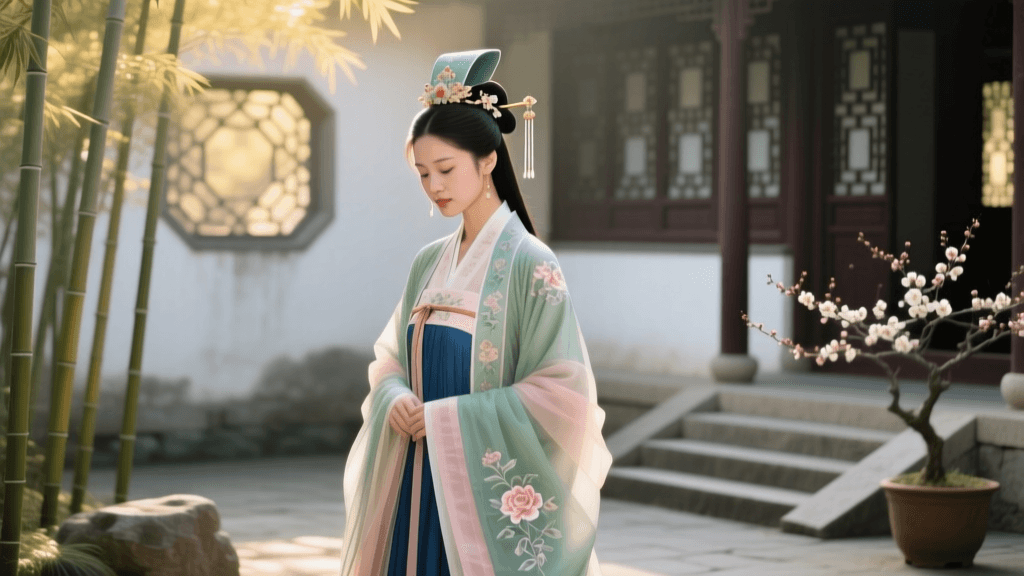
The Ji Li is traditionally performed when a young woman reaches the age of 15 (or 20 if unmarried in ancient contexts, though modern 2026 adaptations often align this with high school or university graduation). The core of the ceremony revolves around the changing of the hairstyle from childhood braids to an adult updo, secured by a hairpin (Ji), accompanied by three distinct clothing changes known as the 'San Jia'.
The Three Additions of the Ji Li
- First Addition (Chu Jia): The initiate changes into a Caifu (colorful attire), typically a vibrant Song-style Ruqun or Beizi ensemble. This represents the innocence and vitality of childhood. The fabric drape is usually light and flowing, utilizing 16-momme silk chiffon or lightweight linen blends.
- Second Addition (Er Jia): The hairpin is replaced with a more ornate hairpin or small crown, and the initiate dons a Shenyi (deep robe). This one-piece robe symbolizes moral grounding, unity, and the transition into societal responsibilities. In 2026, Ming-style cross-collared Shenyi with subtle woven motifs are highly sought after for this stage.
- Third Addition (San Jia): The final change involves a grand ceremonial dress, such as a formal Dajue or a Ming-style Yuanlingpao (round-collar robe) paired with a Fengguan (phoenix crown) or elaborate floral hairpins. This signifies full adulthood, readiness for marriage, and the capacity to participate in ancestral rites. Heavy silk brocades and Xiangyunsha (gambiered Canton gauze) are the premier textile choices for this final, majestic silhouette.
Guan Li (冠礼): The Men’s Capping Ceremony
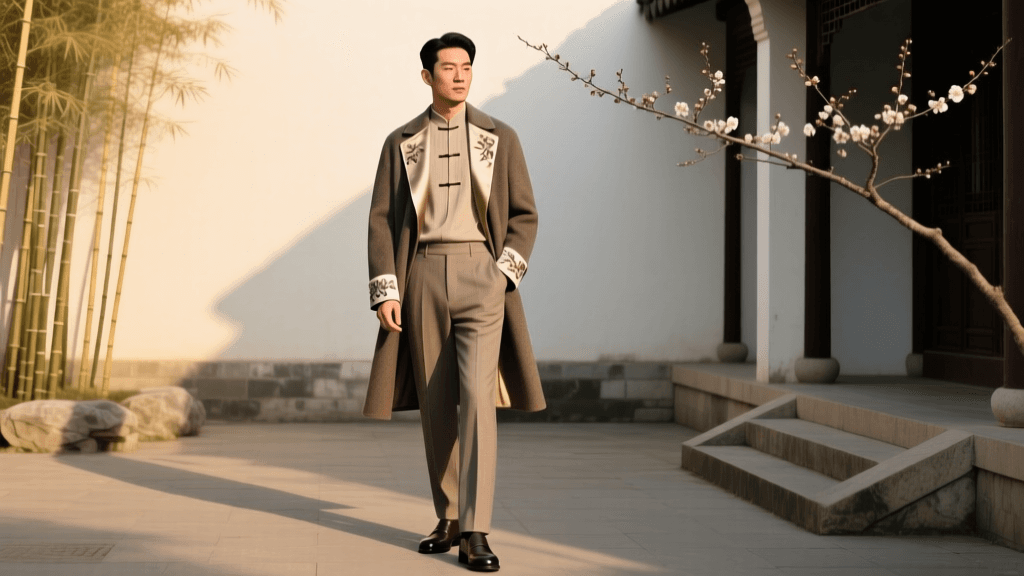
The Guan Li is the male equivalent, traditionally held at age 20. It centers on the 'capping' of the hair, transitioning from loose or bound childhood hair to the formal topknot and caps of a man. Like the Ji Li, it features three additions, each elevating the initiate's social standing and spiritual maturity.
The Three Additions of the Guan Li
- First Addition: The initiate wears a simple Zhiduo or basic Shenyi and receives a Zijin (a simple black cloth headwrap). This represents the foundational virtues of a scholar and the shedding of childish ignorance.
- Second Addition: The clothing is upgraded to a formal court-style or scholar's robe, often featuring wider sleeves and structured collars. The headwear changes to a Pibian (a leather or stiffened fabric cap), symbolizing the martial and protective duties of a man in society.
- Third Addition: The pinnacle of the ceremony features the donning of a Juebian (a formal, high-status ceremonial cap) and grand sacrificial or official robes, such as a heavily embroidered Ming-style official robe with a rank badge. This final look commands respect and signifies the man's readiness to serve his family, community, and ancestors.
2026 Sourcing and Tailoring Guide for Milestone Hanfu
Sourcing garments for life milestones requires a different approach than buying everyday Hanfu. The drape, weight, and structural integrity of the textiles must hold up to hours of ceremonial bowing, kneeling, and photography. According to textile conservation insights from the Victoria and Albert Museum's Chinese collections archive, the historical accuracy of silk weaving patterns and structural tailoring is paramount for ceremonial garments.
Below is a comprehensive breakdown of the 2026 market for bespoke milestone Hanfu, including estimated costs and lead times for custom tailoring.
| Garment Category | Historical Era Base | 2026 Custom Tailoring Cost (USD) | Recommended 2026 Fabric | Lead Time |
|---|---|---|---|---|
| First Addition (Caifu/Ruqun) | Song / Tang | $250 - $450 | 19mm Mulberry Silk Crepe | 4 - 6 Weeks |
| Second Addition (Shenyi) | Ming / Han | $400 - $700 | Song Brocade / Heavy Linen | 6 - 8 Weeks |
| Third Addition (Formal Robe) | Ming | $800 - $2,500+ | Xiangyunsha / Zhuanghua Silk | 3 - 5 Months |
| Ceremonial Headwear (Guan/Ji) | Zhou / Ming | $150 - $600 | Gilt Copper, Jade, Kingfisher Feather (Faux) | 2 - 4 Weeks |
Note: Prices reflect the 2026 market for authentic, historically-patterned bespoke tailoring from established ateliers in Hangzhou and Suzhou, excluding international shipping.
Fabric Drape Analysis and Textile Selection
When selecting textiles for the 'San Jia', understanding fabric drape analysis is crucial for achieving the correct historical silhouette. For the First Addition, the goal is a dynamic, ethereal drape that moves gracefully with the initiate's steps. Lightweight silks with a high fluidity index are ideal. Conversely, the Third Addition requires structural rigidity. Heavyweight silks like Zhuanghua (a complex brocade weaving technique) or authentic Xiangyunsha provide a sculptural drape that holds the wide sleeves and stiff collars in place, projecting authority and solemnity.
In 2026, sustainable and ethically sourced silks have become a major priority for Gen Z and Gen Alpha consumers. Many top-tier Hanfu ateliers now offer peace silk (Ahimsa silk) and naturally dyed fabrics using traditional indigo and madder root, ensuring that the garments are not only historically resonant but environmentally conscious.
Structuring the Modern 2026 Ceremony
Executing a Guan Li or Ji Li today requires careful logistical planning. The ceremony is typically held in a traditional courtyard, a Confucian temple, or a culturally significant indoor venue adorned with calligraphy and ancestral tablets.
Key Roles in the Ceremony
- The Initiate (Guanzhe/Jizhe): The young adult undergoing the rite.
- The Main Officiant (Zhengbin): A respected elder, scholar, or community leader who performs the capping/pinning and offers the blessing.
- The Assistant (Zanze): Usually a close peer or sibling who assists with the clothing changes and hands the hairpins/caps to the Zhengbin.
- The Host (Zhiren): Typically the parents of the initiate, who welcome guests and oversee the banquet.
The Ritual Sequence
- Purification: The initiate washes their hands and face, symbolizing the cleansing of childhood impurities.
- Seating and Grooming: The initiate sits on a woven mat facing south. The Zanze prepares the hair.
- The Three Additions: The Zhengbin approaches, offers a blessing for each stage, and places the respective headwear while the Zanze assists the initiate into the corresponding garment layer.
- The Sweet Wine Rite (Li Jiao): The initiate drinks sweet fermented rice wine from a traditional gourd or ceramic cup, signifying the bitterness and sweetness of adult life.
- Naming (Qu Zi): The Zhengbin bestows a 'style name' (Zi) upon the initiate, which they will use in adult society.
- Ancestral Veneration and Bowing: The initiate bows to the ancestors, the officiant, and finally, their parents, expressing profound filial piety.
Storage and Maintenance of Ceremonial Hanfu
Given the significant financial and emotional investment in milestone Hanfu, proper storage maintenance is essential to preserve these garments as future family heirlooms. Xiangyunsha and heavy brocades should never be folded along the same crease lines repeatedly, as this will cause the silk fibers to fracture over time. In 2026, the standard for preserving ceremonial Hanfu involves wrapping the garments in acid-free, unbleached cotton muslin and storing them in cedarwood chests, which naturally repel moisture and insects without the use of harsh chemical mothballs. For heavily embroidered Fengguan or metallic hairpins, individual compartmentalized boxes with silica gel packets are mandatory to prevent oxidation of the gilt copper and silver components.
Conclusion
The revival of the Guan Li and Ji Li in 2026 represents a profound reconnection with Asian traditions, transforming abstract historical texts into lived, wearable experiences. By understanding the deep symbolism of the Three Additions, investing in historically accurate textiles, and respecting the solemnity of the ritual sequence, modern families are forging a powerful bridge between ancient wisdom and contemporary adulthood. Whether you are sourcing a bespoke Ming-style robe or hand-carving a wooden hairpin, participating in these milestone rites ensures that the rich tapestry of Asian garment heritage continues to thrive for generations to come.