Kimono Seasonality: Koromogae and Fabric Care Calendar
The Philosophy of Kisetsukan and Koromogae
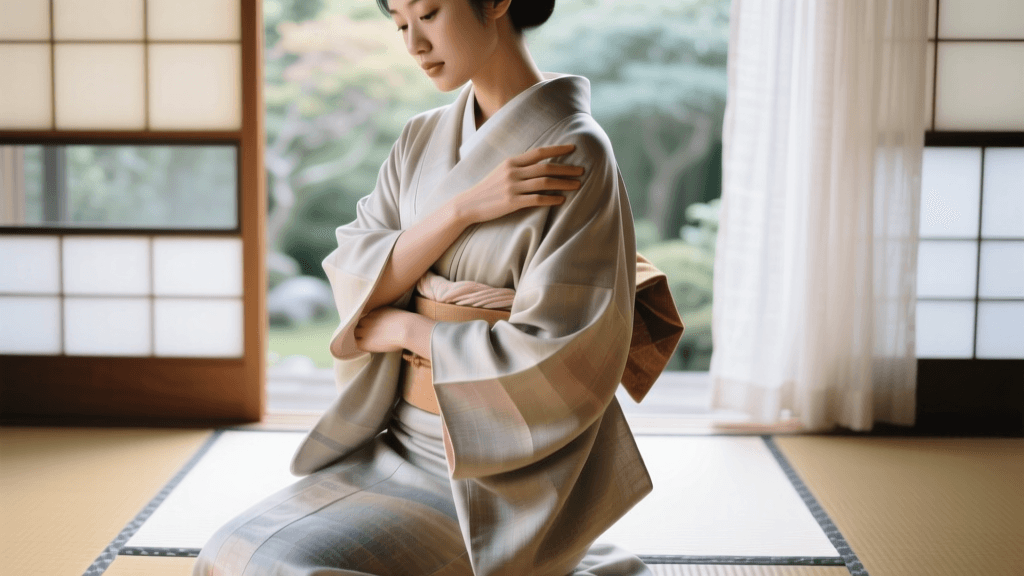
In the intricate world of traditional Japanese clothing, seasonality is not merely a matter of comfort; it is a profound cultural philosophy known as kisetsukan (the feeling of the seasons). This philosophy dictates that a garment’s fabric weight, weave, lining, and even its dyed motifs must harmonize with the natural environment. According to The Metropolitan Museum of Art’s Heilbrunn Timeline of Art History, the evolution of Japanese textiles is deeply intertwined with the country’s distinct seasonal shifts, requiring a highly specialized wardrobe that transitions seamlessly throughout the year.
The institutionalized practice of changing one’s wardrobe to match the seasons is called Koromogae (衣替え). Historically rooted in the Heian period (794–1185) court rituals, Koromogae is traditionally observed on two specific dates: June 1st, when winter and spring garments are retired and summer wear is introduced, and October 1st, when the transition back to heavier, lined garments occurs. For modern kimono collectors, practitioners, and heritage preservationists, adhering to a strict Koromogae and fabric care calendar is essential to prevent catastrophic textile damage such as mold, silk yellowing, and moth infestations.
Textile Weights and Seasonal Fabric Chart
Understanding textile weight and weave structure is the foundation of kimono seasonality. The Japanese wardrobe is broadly divided into three categories based on fabric weight and lining: Awase (lined), Hitoe (unlined), and Usumono (sheer/summer). The Victoria and Albert Museum (V&A) notes that the structural integrity and breathability of these silk weaves were engineered specifically to manage Japan’s highly humid summers and dry, cold winters.
| Season | Garment Type | Primary Fabrics & Weaves | Textile Weight & Characteristics |
|---|---|---|---|
| Winter (Dec-Feb) | Awase (Lined) | Tsumugi (pongee), Omeshi (crepe), Wool | Heavy, opaque, textured. Lined with silk or synthetic habutae for insulation. |
| Spring/Autumn (Mar-May, Sep-Nov) | Awase (Lined) | Chirimen (crepe), Rinzu (satin damask) | Medium weight, smooth drape. Lining provides structure and warmth during transitional weather. |
| Early Summer (June) | Hitoe (Unlined) | Hitoe Chirimen, Lightweight Tsumugi | Medium-light weight, unlined. Allows for air circulation while maintaining modesty. |
| Peak Summer (Jul-Aug) | Usumono (Sheer) | Ro (leno weave), Sha (gauze weave), Linen | Ultra-lightweight, highly breathable, semi-transparent. Woven with twisted threads to create cooling gaps. |
The Kimono Care Calendar: Month-by-Month Guide
Proper maintenance of these specialized textiles requires a proactive, year-round calendar. Silk is a protein fiber that is highly susceptible to moisture, light, and pests. The following calendar integrates the Koromogae transitions with essential preservation techniques, as recommended by cultural heritage guidelines from the Japan National Tourism Organization (JNTO) and master textile conservators.
Spring (March to May): Airing and Inspection
- March: As winter ends, inspect all Awase garments for stains. Sweat and oils from the neck and hem can oxidize and cause permanent yellowing if stored long-term.
- April: Perform Kageboshi (shade airing). Choose a dry, breezy day with low humidity (under 50%). Hang kimonos on specialized wide hangers indoors or in deep shade for 2-3 hours. Never expose silk to direct UV sunlight, which shatters protein fibers and fades natural dyes.
- May: Prepare summer garments. Air out Hitoe and Usumono garments to remove the musty scent of storage before the June 1st Koromogae.
Summer (June to August): Humidity Control and Spot Cleaning
- June: The official transition to Hitoe and Ro/Sha. Because Japan’s rainy season (Tsuyu) brings extreme humidity, ensure storage areas for winter kimonos are climate-controlled. Use silica gel packets in storage boxes, but never let them touch the fabric directly.
- July & August: Summer kimonos require immediate post-wear care. After wearing a sheer Ro kimono, gently wipe the inner collar with a damp cloth and let it air dry completely before folding. High summer sweat acidity will rapidly degrade silk fibers if left untreated.
Autumn (September to November): The Great Transition
- September: Begin evaluating summer garments for professional cleaning. Even if a kimono appears clean, invisible perspiration will attract moths and cause brown spotting over the winter.
- October: The October 1st Koromogae. Transition back to Awase (lined) kimonos. This is the most critical time for pest prevention. Replace old Shikimushi (insect repellents) in your storage drawers.
- November: Perform a second Kageboshi for all winter and spring garments before they are worn for the busy holiday and New Year season.
Winter (December to February): Deep Storage and Protection
- December: Winter wools and heavy silks are in rotation. Brush wool kimonos gently with a natural bristle brush after each wear to remove dust and prevent moth attraction.
- January: Monitor storage humidity. Winter heating systems create dry air, which can make silk brittle, but fluctuating temperatures can cause condensation inside wooden drawers, leading to mold. Maintain a stable room temperature of 18°C–20°C (64°F–68°F) and 50%–55% relative humidity.
- February: Finalize professional cleaning orders for the year. Sending garments to specialists now ensures they are returned and stored well before the spring humidity spikes.
Professional Cleaning and Storage Economics
Unlike Western garments, traditional kimonos are rarely washed at home. The construction of the garment dictates the cleaning method, and understanding the economics of these services is vital for collectors and enthusiasts.
Maruarai (Full Garment Wash)
Maruarai is a specialized dry-cleaning and spot-treatment process where the kimono is cleaned in its fully assembled state. It is suitable for modern synthetic linings and stable dyes.
Estimated Cost: 10,000 to 15,000 JPY ($65 to $100 USD).
Frequency: Once every 2-3 years, or immediately after heavy wear/staining.
Arai-Hari (Deconstruction and Reweaving)
The gold standard for antique and high-end vintage silk preservation. The kimono is completely unstitched into its original flat fabric bolts (tanmono), washed in water with specialized mild detergents, stretched on bamboo frames to dry and realign the grain, and then meticulously resewn by a kimono tailor.
Estimated Cost: 30,000 to 50,000+ JPY ($200 to $350+ USD), depending on the complexity of the tailoring and the condition of the silk.
Frequency: Every 10-15 years for heirloom pieces, or when acquiring a vintage piece of unknown history.
Essential Preservation Materials
To execute the care calendar effectively, specific traditional and modern materials are required. Investing in these supplies prevents catastrophic financial losses from textile degradation.
- Kiribako (Paulownia Wood Boxes): The ultimate storage solution. Paulownia wood naturally regulates humidity by swelling to seal out moisture in the summer and shrinking to allow breathability in the winter. It is also naturally fire-resistant and repels insects. Expect to invest 20,000 to 40,000 JPY for a high-quality, unfinished drawer chest.
- Tatoushi (Washi Paper Wrappers): Kimonos must never be stored in plastic, which traps moisture and causes mold. They should be folded along their structural seams and wrapped in acid-free, breathable Washi paper known as Tatoushi. This paper absorbs ambient moisture and protects the silk from friction.
- Shikimushi (Insect Repellent): Traditional camphor or modern pyrethroid-based moth repellents are mandatory for silk and wool storage. Critical Rule: Repellent crystals must be placed in the corners of the drawer or in small mesh bags. They must never directly touch the fabric, as the chemical off-gassing can melt synthetic threads and cause severe discoloration on natural silk.
"A kimono is not merely a garment; it is a living archive of the seasons. To care for it properly is to honor the artisans who wove the silk and the natural world that inspired its motifs."
Conclusion
Mastering the intersection of textile weight seasonality and the Koromogae care calendar transforms kimono ownership from a passive hobby into an active practice of cultural preservation. By respecting the biannual transitions of June and October, utilizing climate-appropriate storage materials like Paulownia wood and Washi paper, and investing in professional Arai-hari cleaning when necessary, collectors ensure that these magnificent Asian textile traditions survive for generations to come. Whether you are wearing a sheer Ro kimono to a summer festival or wrapping a heavy Tsumugi for winter storage, every action you take weaves you deeper into the rich, enduring tapestry of Japanese heritage.