Hanfu Travel 2026: Packing Tips & Top Asian Destinations
The 2026 Hanfu Travel Renaissance
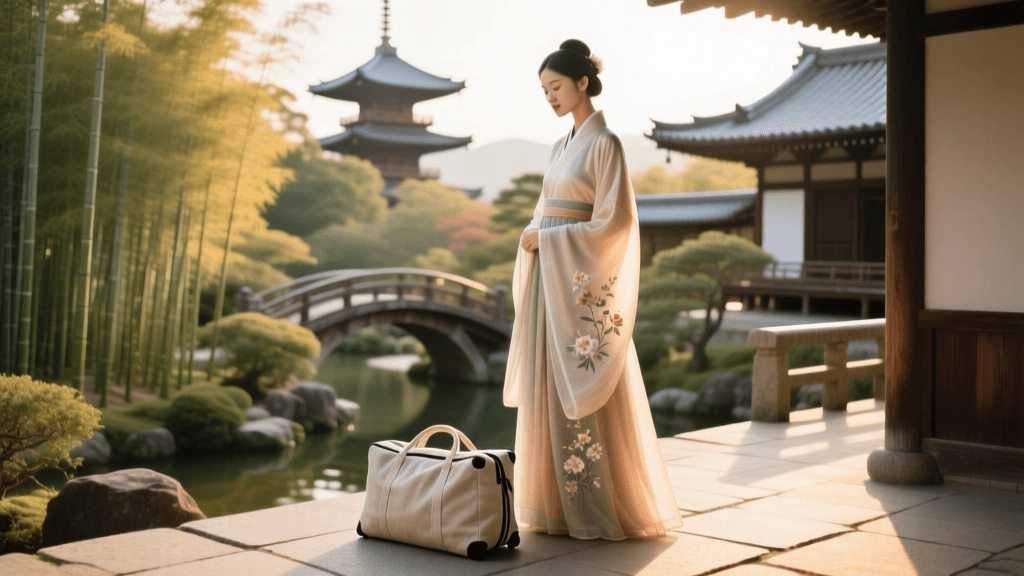
The year 2026 has ushered in an unprecedented era for cultural tourism across Asia, with the Hanfu movement transitioning from niche hobbyist circles into a mainstream travel phenomenon. Travelers are no longer content with merely purchasing traditional garments; they are actively planning entire itineraries around historical immersion, architectural photography, and cultural festivals. However, traveling with delicate silk garments, intricate embroidery, and structured pleats presents a unique set of logistical challenges. Whether you are navigating the high-speed rail networks of China or flying internationally to heritage sites in Southeast Asia, knowing how to pack, transport, and maintain your Hanfu on the road is essential. This comprehensive guide provides actionable packing strategies and highlights the most breathtaking destinations for Hanfu enthusiasts in 2026.
Essential 2026 Packing Gear for Delicate Silks
Packing traditional Asian garments requires more than just stuffing them into a standard suitcase. The structural integrity of a Mamianqun (horse-face skirt) and the delicate nature of silk Ruqun demand specialized gear. In 2026, luggage technology has adapted to the needs of cultural travelers.
Garment Folders and Packing Cubes
Compression packing cubes are a traveler's best friend, but they can crush delicate pleats. Instead, opt for structured garment folders. According to REI's Expert Guide to Packing Cubes, using semi-rigid packing organizers helps distribute pressure evenly across your clothing. For Hanfu, look for water-resistant, breathable mesh cubes that prevent moisture buildup—a critical factor when traveling to humid climates like Singapore or southern China.
Acid-Free Tissue Paper
Silk is a protein fiber that is highly susceptible to creasing and degradation when stored improperly. The Metropolitan Museum of Art's Textile Conservation Department emphasizes the importance of using archival-quality, acid-free tissue paper when storing and transporting historical textiles. When folding your Hanfu, layering acid-free tissue between the folds prevents hard creases and protects metallic embroidery threads from tarnishing or snagging.
Portable Dual-Voltage Steamers
A handheld steamer is non-negotiable for Hanfu travelers. The 2026 models of travel steamers feature auto-sensing dual-voltage capabilities (100-240V), eliminating the need for bulky adapters. Look for a steamer with a ceramic-coated plate and a continuous steam output of at least 20 grams per minute to effectively relax heavy brocade fabrics without direct contact.
Step-by-Step Folding and Packing Techniques
Proper folding is the difference between arriving at your destination ready for a photoshoot and spending hours ironing out stubborn wrinkles. Follow this meticulous folding protocol for your most prized garments.
1. The Mamianqun Pleat Preservation Method
The horse-face skirt is notorious for losing its crisp pleats in transit. Lay the skirt flat on a clean surface. Align the pleats perfectly, ensuring the overlapping panels sit flush. Place a sheet of acid-free tissue paper over the pleats, then gently roll the skirt from the bottom hem upward, or fold it in thirds using additional tissue paper at the fold lines. Never compress a Mamianqun under heavy items like shoes or toiletries.
2. The Ruqun and Beizi Roll
For upper garments like the Song dynasty Beizi or Tang dynasty Ruqun, the traditional tri-fold often results in harsh horizontal lines across the chest and back. Instead, use the military roll method modified for delicate fabrics. Fold the sleeves inward, place a soft microfiber towel inside the bodice to maintain its three-dimensional shape, and roll gently from the collar down to the hem. This minimizes surface area contact and reduces friction.
3. Strategic Suitcase Placement
Place your heaviest items (shoes, toiletry bags) at the bottom of the suitcase near the wheels. Create a middle layer using your rolled Hanfu garments and soft everyday clothes. Top the suitcase with your most delicate, flat-folded silk pieces. If your luggage features a built-in garment strap, secure your Hanfu bundles to prevent shifting during transit.
Top 2026 Destinations for Hanfu Photography
Choosing the right destination is just as important as packing correctly. In 2026, several Asian cities have elevated their infrastructure to welcome traditional garment enthusiasts, offering dedicated changing rooms, historical backdrops, and specialized rental markets.
Luoyang, China: The Tang Dynasty Illusion
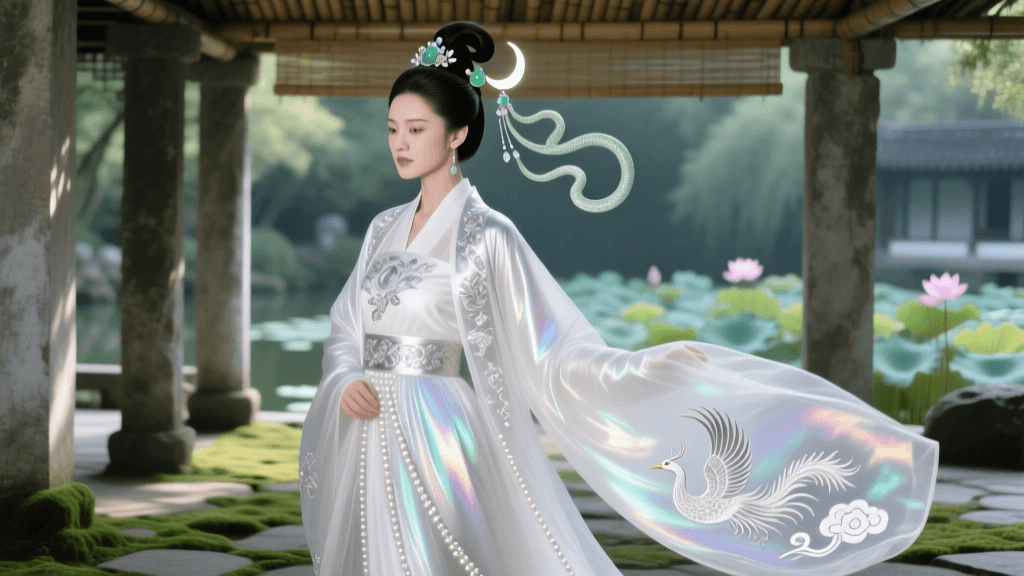
Luoyang has cemented its status as the ultimate Hanfu capital. The Yingtian Gate and the ruins of the Sui-Tang Luoyang City National Heritage Park provide an unparalleled backdrop for grand, sweeping Tang dynasty aesthetics. In 2026, the city's night markets and the annual Peony Culture Festival have integrated dedicated Hanfu photography zones with professional lighting setups. The high-speed rail connection from Zhengzhou makes it an accessible weekend getaway.
Xi'an, China: The Silk Road Epicenter
No Hanfu travel guide is complete without Xi'an. The Datang Everbright City offers a sprawling, immersive pedestrian district designed to replicate the cosmopolitan glory of the Tang dynasty capital, Chang'an. According to China Highlights' Comprehensive Xi'an Travel Guide, the city's ancient walls and the surrounding Muslim Quarter provide a rich tapestry of cultural exchanges that perfectly mirror the historical Silk Road narrative. Wearing a vibrant, heavily embroidered Banbi (half-sleeve jacket) here feels like stepping back in time.
Singapore: Tropical Elegance and Heritage Fusion
For international travelers, Singapore offers a unique blend of ultra-modern architecture and deep Asian heritage. The Cloud Forest at Gardens by the Bay provides a misty, ethereal environment perfect for lightweight, flowing Wei-Jin dynasty styles. Meanwhile, the Asian Civilisations Museum and the historic shophouses of Chinatown offer a sophisticated backdrop for the refined, minimalist aesthetics of Song dynasty Hanfu. The tropical climate necessitates packing breathable linen and lightweight silk blends.
Travel-Friendly Hanfu Styles Comparison
Not all Hanfu styles are created equal when it comes to travel. Use the table below to select the most appropriate garments for your specific 2026 itinerary based on climate, packability, and wrinkle resistance.
| Hanfu Style | Packability (1-5) | Wrinkle Risk | Best Climate | Ideal 2026 Destination |
|---|---|---|---|---|
| Mamianqun (Horse-face) | 3 | High (Pleats) | Mild / Spring | Luoyang, Xi'an |
| Song Dynasty Beizi & Songku | 5 | Low | Hot / Humid | Singapore, Guangzhou |
| Tang Dynasty Ruqun | 4 | Medium | Warm / Dry | Kyoto, Hangzhou |
| Wei-Jin Qixiong Shanqun | 2 | High (Volume) | Breezy / Coastal | Jeju Island, Bali |
On-the-Road Garment Care and Maintenance
Even with perfect packing, traveling introduces environmental stressors to your garments. Humidity, sudden rain showers, and the friction of walking can all take a toll on traditional fabrics.
Managing Moisture and Sweat
Silk and brocade do not breathe as efficiently as modern synthetic athletic wear. When exploring sprawling heritage sites in the summer, wear a moisture-wicking, skin-toned undershirt (Zhongyi) to act as a barrier between your body and the outer Hanfu layers. If your garments become damp from humidity or perspiration, never leave them crumpled in a plastic bag. Hang them immediately in a well-ventilated, air-conditioned room to dry.
Dealing with Snags and Stains
Embroidery threads are highly prone to snagging on rough stone walls or wooden railings at historical sites. Always be mindful of your surroundings when posing for photographs. Carry a small travel kit containing a silk-safe stain remover pen, a few safety pins for emergency repairs, and a portable lint roller. For stubborn wrinkles that a travel steamer cannot fix, hang the garment in the bathroom while you take a hot shower; the ambient steam will gently relax the fibers without the risk of heat damage.
Conclusion
Traveling with Hanfu in 2026 is a deeply rewarding experience that bridges the gap between historical appreciation and modern exploration. By investing in the right packing gear, mastering specialized folding techniques, and choosing destinations that celebrate traditional Asian aesthetics, you can ensure your garments remain pristine and your travel memories are picture-perfect. Whether you are wandering the ancient streets of Xi'an or capturing the futuristic gardens of Singapore, the elegance of Hanfu will elevate every step of your journey.