2026 Hanfu Travel Guide: Essential Packing Tips & Top Destinations
The Renaissance of Heritage Travel in 2026
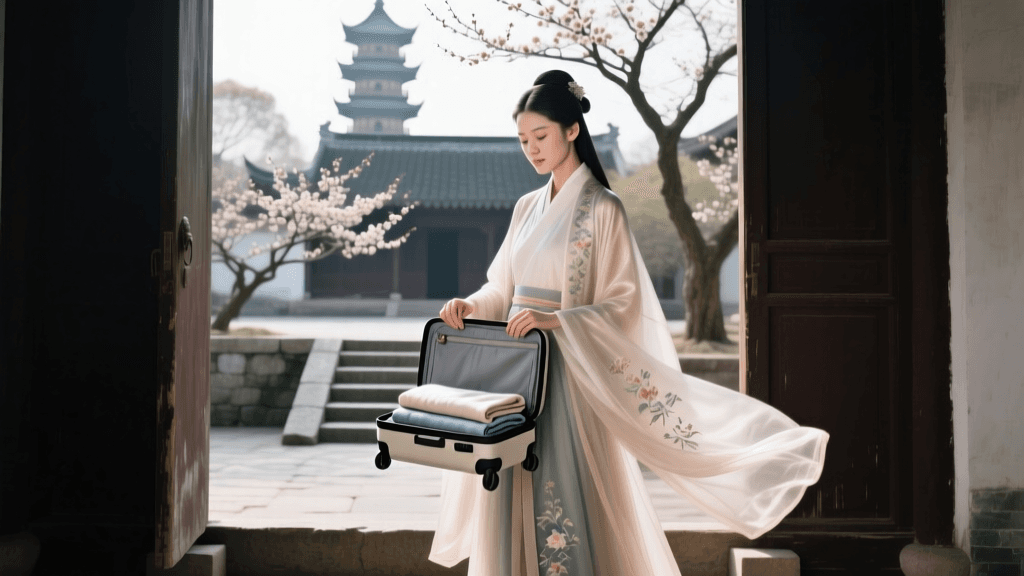
The year 2026 marks a golden era for heritage tourism, with traditional Chinese garments transitioning from niche hobbyist wear to mainstream travel wardrobes. Driven by the global Xin Zhongshi (new Chinese style) movement, travelers are increasingly integrating Hanfu into their itineraries, blending ancient aesthetics with modern mobility. Whether you are planning a photoshoot at ancient grottoes or attending a traditional tea ceremony in a historic water town, traveling with Hanfu requires strategic packing. The voluminous silhouettes, delicate silk blends, and intricate metal hairpins present unique logistical challenges that standard luggage simply cannot accommodate. This comprehensive guide outlines the most effective packing strategies, transit tips, and premier destinations for the Hanfu-traveling enthusiast in 2026.
The Ultimate Hanfu Packing Arsenal
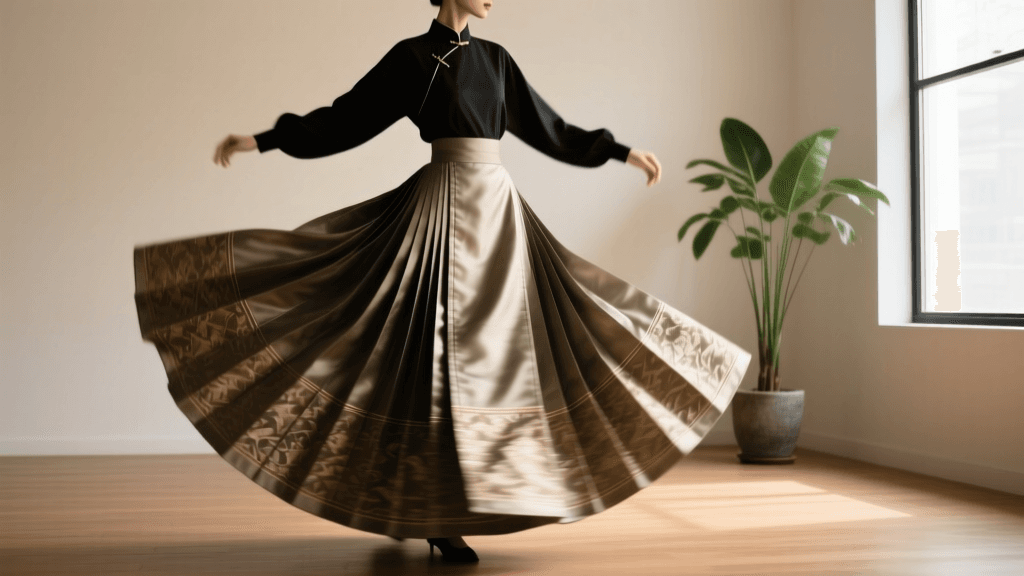
Packing traditional garments is an exercise in spatial geometry and fabric preservation. The modern Hanfu wardrobe often includes layered zhongyi (inner garments), sweeping mamianqun (horse-face skirts), and structured outer robes. To maintain the crisp pleats and delicate embroidery of these pieces, you must upgrade your luggage ecosystem.
1. Garment Folding and Compression
The traditional bundle-wrapping technique, historically used by merchants on the Silk Road, has been modernized for 2026 travel. For heavily pleated mamianqun, never fold the skirt in half. Instead, lay the skirt flat, align the pleats meticulously, and roll the garment from the hem upward around a soft, cylindrical core (like a rolled-up microfiber towel). This prevents hard creases from forming across the embroidered panels. Once rolled, secure the skirt with silk-friendly velcro ties and place it inside a dedicated compression cube. In 2026, ultra-lightweight ripstop packing cubes with one-way air valves are the industry standard, allowing you to reduce the volume of winter-weight brocade robes by up to 40% without crushing the fibers.
2. Managing Intricate Accessories
Hair accessories (buyao, zanzan, and guan) are often crafted from brass, silver, or delicate resin, featuring dangling tassels and pearl drops. Tossing these into a toiletry bag guarantees tangled chains and bent prongs. Invest in a hard-shell EVA (ethylene-vinyl acetate) electronics organizer. The elastic loops and mesh dividers designed for USB drives and earbuds are perfectly sized to hold hairpins securely in place. Wrap delicate silk tassels in acid-free tissue paper before placing them in the case to prevent color transfer and fraying during transit.
Navigating Airport Security and Transit
Traveling with a full Hanfu kit means carrying a significant amount of metal. Traditional hair crowns and ornamental belts will trigger metal detectors. In 2026, most international and domestic airports recommend placing all metallic hair accessories in a clear, quart-sized bag and submitting them through the X-ray scanner in a separate bin before you walk through the body scanner. This prevents the embarrassment and delay of a manual pat-down while wearing half-styled historical hair. Furthermore, when booking high-speed rail travel across Asia, opt for first-class or business-class cabins; the latest 2026 rolling stock on major heritage routes now features dedicated garment-hanging hooks and wider seat pitches, allowing you to steam and dress comfortably upon arrival.
Fabric-Specific Packing Strategies
Not all Hanfu are created equal. The fabric composition dictates your packing method and wrinkle-management strategy. Below is a comparative guide to handling the most common textiles used in contemporary traditional garments.
| Fabric Type | Garment Example | Packing Method | Wrinkle Resistance | 2026 Travel Tip |
|---|---|---|---|---|
| Mulberry Silk | Summer Beizi (outerwear) | Roll loosely with tissue | Low | Requires immediate steaming upon arrival; keep away from direct sunlight. |
| Polyester-Jacquard | Pleated Mamianqun | Roll around a soft core | High | Ideal for long-haul flights; holds pleats exceptionally well in humidity. |
| Cotton-Linen Blend | Ming Dynasty Aoqun | Bundle fold | Medium | Spritz with water and hang in a steamy bathroom to release natural creases. |
| Smart-Brocade (2026) | Winter Ceremonial Robes | Vacuum compression | Very High | New memory-thread weaves bounce back instantly after unpacking. |
Top Hanfu-Friendly Destinations for 2026
Choosing the right destination elevates the Hanfu experience from a simple photoshoot to an immersive cultural journey. The following locations have developed robust infrastructure for heritage travelers, offering rental studios, historically accurate architecture, and welcoming local communities.
Luoyang: The Epicenter of Hanfu Tourism
Luoyang, the ancient capital of multiple dynasties, has fully embraced its identity as China's premier Hanfu hub. The Luoyi Ancient City district is specifically designed for pedestrians in traditional dress, with cobblestone streets, lantern-lit pavilions, and specialized tea houses. However, the true crown jewel for photographers is the nearby Longmen Grottoes. As recognized by the UNESCO World Heritage Centre, the Longmen Grottoes represent an outstanding manifestation of Chinese stone carving art. Shooting Tang Dynasty-style Qixiong Ruqun (chest-high skirts) against the backdrop of the colossal Fengxian Temple Buddha statues provides a profound connection to the era that originally inspired the silhouettes.
Dunhuang: Echoes of the Silk Road
For travelers seeking the ethereal, wind-swept aesthetics of the Wei and Jin dynasties or the cosmopolitan flair of the Tang era, Dunhuang is unmatched. The Mingsha Mountain (Singing Sand Dunes) and Crescent Moon Spring offer dramatic, golden-hour backdrops that perfectly complement the flowing, wide-sleeved robes of the Daxiushan (large-sleeved shirts). Dunhuang's position as a critical nexus on the ancient trade routes means its cultural tapestry is incredibly rich. The UNESCO Silk Roads Programme highlights the region's historical role in facilitating cross-cultural exchanges, which is vividly reflected in the diverse textile patterns and jewelry designs found in the nearby Mogao Caves murals—designs that modern Hanfu makers frequently replicate today.
Jingdezhen: Porcelain and Pastel Aesthetics
Jingdezhen, the porcelain capital, offers a more subdued, scholarly aesthetic. The Yaoli Ancient Town, surrounded by misty mountains and ancient camphor trees, is the perfect setting for Song Dynasty-inspired minimalism. The clean lines, muted pastel tones, and understated elegance of Song-style Hanfu harmonize beautifully with the celadon and blue-and-white ceramics produced in the local kilns. It is an ideal destination for travelers who prefer quiet contemplation and artisanal workshops over bustling tourist centers.
On-the-Go Garment Care and Maintenance
Even with meticulous packing, garments will require refreshing upon arrival. The Philips STH3020 foldable travel steamer remains a top choice for heritage travelers in 2026 due to its compact footprint and rapid 30-second heat-up time. When steaming silk, always maintain a distance of at least two inches from the fabric and use the lowest steam setting to prevent water spotting.
Understanding the historical context of your garments can also inform your care routine. As detailed by the Metropolitan Museum of Art's Heilbrunn Timeline of Art History, silk has been a cornerstone of Chinese material culture for millennia, prized for its luster and tensile strength. However, historical silk was highly susceptible to environmental degradation. Modern travelers should heed this legacy by storing their garments away from direct UV light and using silica gel packets in their luggage to combat the high humidity prevalent in southern Chinese heritage towns during the summer months.
Conclusion
Traveling with Hanfu in 2026 is a deeply rewarding endeavor that bridges the gap between ancient artistry and modern exploration. By investing in the right packing organizers, respecting the unique properties of traditional textiles, and selecting destinations that honor their historical roots, you ensure that your journey is as seamless as the silk you wear. Whether you are walking the sands of Dunhuang or the stone bridges of Jingdezhen, your traditional garments will not just be clothing; they will be your passport to a deeper, more resonant travel experience.