Mamianqun Skirt Styling Guide: Modern Outfits for 2026
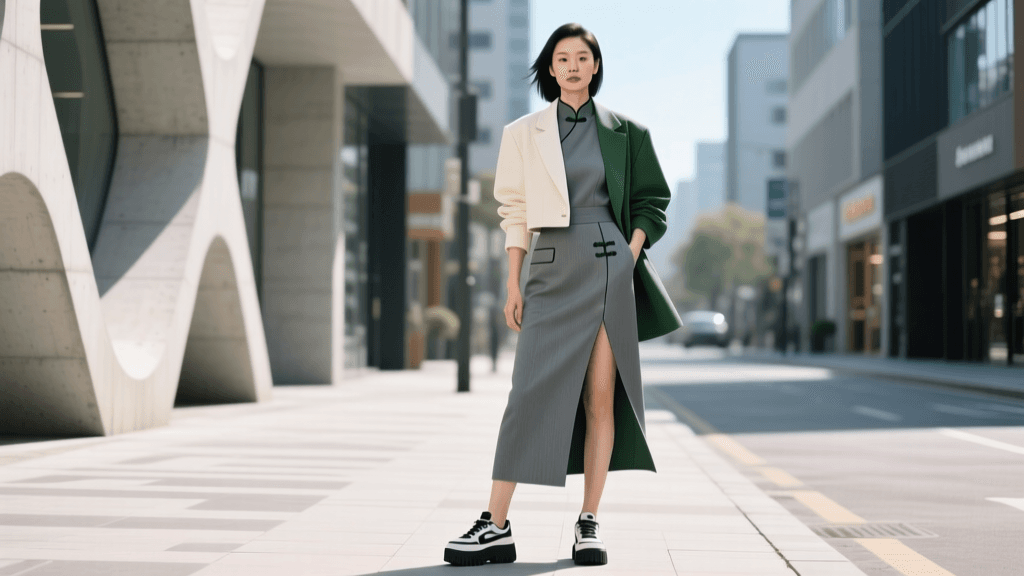
The global fashion landscape of 2026 is defined by a seamless, intentional blend of heritage craftsmanship and contemporary utility. Nowhere is this more evident than in the explosive mainstream adoption of the Mamianqun, traditionally known as the horse-face skirt. Once reserved primarily for Hanfu enthusiasts, historical reenactments, and cultural festivals, this Ming and Qing dynasty staple has firmly established itself as a cornerstone of the modern capsule wardrobe. By merging centuries-old structural pleating with today's "quiet luxury" and urban streetwear aesthetics, the Mamianqun offers an incredibly versatile canvas for self-expression.
The Anatomy of the Modern Mamianqun
Historically, the Mamianqun is characterized by its unique construction: two overlapping flat panels (the "horse faces") at the front and back, connected by heavily pleated sides. According to textile archives at the Victoria and Albert Museum, this design was originally engineered for ease of movement, particularly for horseback riding, while maintaining a dignified, structured silhouette when standing still. The flat panels provided an ideal canvas for intricate embroidery and woven brocade patterns, signaling the wearer's social status and the garment's ceremonial importance.
In 2026, contemporary manufacturers have re-engineered this classic anatomy for modern life without sacrificing its historical soul. While traditional silk brocades remain popular for evening and ceremonial wear, everyday iterations now feature hidden elasticated back-waistbands, stain-resistant nano-coatings, and deep, concealed pockets within the pleats. The overlapping panels are now frequently secured with discreet snap buttons alongside the traditional tie closures, ensuring the skirt remains securely in place during commutes, cycling, and busy workdays.
Office-Ready: Elevating the Corporate Wardrobe
Integrating a Mamianqun into a professional environment is one of the most popular styling trends of 2026. The key to office-appropriate styling lies in balancing the skirt's voluminous lower half with structured, tailored separates on top. The "quiet luxury" movement has heavily influenced this year's Hanfu-modern fusion, favoring subdued tones and subtle textures over loud, contrasting colors.
- The Structured Blazer: Pair a midi-length, solid-colored Mamianqun (such as deep navy, charcoal, or matcha green) with a sharply tailored wool blazer. The architectural shoulders of the blazer perfectly complement the A-line flare of the pleats.
- The Turtleneck and Vest Combo: For transitional autumn weather, a fitted merino wool turtleneck layered under a classic menswear-style vest creates a sophisticated, academic silhouette that respects corporate dress codes while showcasing cultural heritage.
- Crisp Button-Downs: A slightly oversized, asymmetrical white button-down shirt, half-tucked into the high waist of the skirt, offers a relaxed yet polished look suitable for creative agencies and modern tech offices.
When wearing a Mamianqun to the office, ensure the hemline falls right at the mid-calf. This length prevents the pleats from dragging on the floor and maintains a professional proportion when seated at a desk.
Urban Streetwear: Edgy and Eclectic
On the streets of Shanghai, Seoul, and New York, the Mamianqun has become a staple of avant-garde streetwear. The juxtaposition of ancient, flowing textiles with heavy, industrial hardware is a defining aesthetic of 2026 urban fashion. Historical silhouettes documented by the Metropolitan Museum of Art's Asian Art department highlight the dramatic drape of these garments, a feature that modern streetwear enthusiasts leverage to create striking, dynamic movement.
- Cropped Moto Jackets: A cropped, vintage-wash leather motorcycle jacket that hits exactly at the skirt's waistband emphasizes the high-waisted silhouette and adds an immediate edge to the delicate pleats.
- Graphic Tees and Harnesses: Tucking a heavyweight, oversized graphic tee into the skirt and adding a minimalist chest harness or utility belt bridges the gap between traditional elegance and cyberpunk-inspired streetwear.
- Layering with Denim: Wearing a Mamianqun over a pair of fitted, flared denim jeans is a cutting-edge 2026 trend. The denim peeks out from beneath the pleats during movement, adding texture and warmth for winter styling.
2026 Fabric and Utility Comparison Guide
Choosing the right fabric is crucial for adapting the Mamianqun to your specific lifestyle. Modern textile innovations have vastly expanded the utility of the horse-face skirt beyond delicate silks.
| Fabric Type | Traditional Use | 2026 Modern Application | Care Instructions |
|---|---|---|---|
| Mulberry Silk Brocade | Ceremonial and court wear | Evening events, luxury office wear | Dry clean only; store flat to preserve pleats |
| Tencel-Linen Blend | N/A (Modern innovation) | Summer streetwear, breathable daily office | Machine wash cold; hang dry; steam to reshape |
| Recycled Poly-Satin | N/A (Modern innovation) | Edgy streetwear, travel-friendly outfits | Machine wash gentle; low iron; wrinkle-resistant |
| Cotton-Jacquard | Everyday historical wear | Casual weekends, academic settings | Machine wash warm; tumble dry low; iron on reverse |
Proportions, Sizing, and the Art of the Wrap
Unlike standard zippered skirts, the traditional Mamianqun is a wrap skirt, which means sizing and proportion are highly customizable but require a basic understanding of its mechanics. To ensure the skirt functions correctly and provides adequate coverage, the total waist measurement of the garment must be significantly larger than your actual waist.
For a proper fit in 2026, look for brands that offer a "hybrid waistband." These designs feature a traditional flat front panel with tie closures, but incorporate a smocked or elasticated section at the back. This allows the skirt to hug the waist securely without the need for complex tying techniques, while still providing the necessary 15 to 20 centimeters of overlap required to keep the pleats from gaping open when you walk or sit. When measuring yourself, always measure at your natural waist (the narrowest part of your torso) rather than your hips, as the Mamianqun is designed to sit high on the waist to elongate the legs.
Footwear and Accessory Pairings
The footwear you choose will dictate the final genre of your outfit. For the office, chunky leather loafers or low block-heel Mary Janes provide a stable base that echoes the historical weight of the garment. Avoid stilettos, as they can catch in the dense pleats and disrupt the skirt's natural swing.
For streetwear, platform combat boots or futuristic, oversized sneakers are the standard. The visual weight of a chunky shoe balances the wide hemline of the skirt, preventing the outfit from looking top-heavy. In terms of accessories, minimalist silver jewelry and structured, geometric crossbody bags work best. Avoid overly ornate, traditional hair sticks or heavy jade pendants unless you are attending a specific cultural event; the goal of the 2026 modern wardrobe integration is to let the garment's structure speak for itself without crossing into costume territory.
Conclusion
The Mamianqun is no longer just a relic of the past or a niche garment for historical societies. In 2026, it stands as a testament to the enduring power of functional, beautiful design. By understanding its structure, selecting the appropriate modern fabrics, and pairing it thoughtfully with contemporary separates, you can seamlessly weave Asian sartorial heritage into your everyday life, creating outfits that are as practical as they are profoundly meaningful.