Best Silk Fabrics for Custom Cheongsam Tailoring 2026
The Evolution of Cheongsam Textiles in 2026
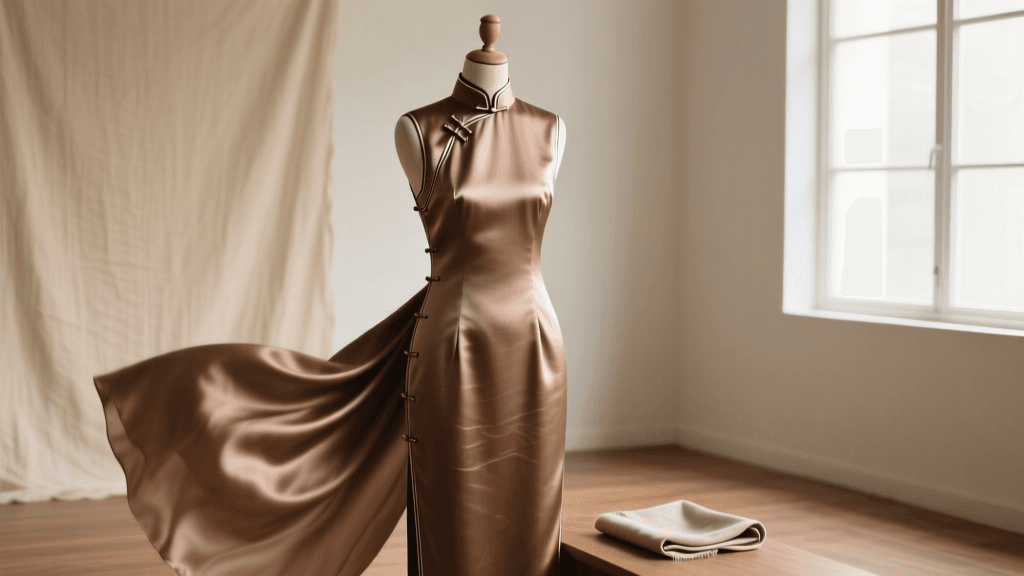
The cheongsam, also widely known as the qipao, remains one of the most iconic and elegant silhouettes in Asian traditional fashion. As we navigate the bespoke tailoring landscape in 2026, there has been a profound renaissance in how these garments are constructed, driven by a renewed appreciation for heritage textiles and a simultaneous demand for sustainable innovation. Selecting the right fabric is the single most critical decision in custom cheongsam tailoring. The textile dictates not only the visual drape and structural integrity of the garment but also its breathability, longevity, and ceremonial appropriateness. According to the Victoria and Albert Museum's extensive archives on Chinese silk, the historical mastery of sericulture in China laid the groundwork for the luxurious textiles that define traditional Asian dress, a legacy that modern tailors continue to honor while integrating contemporary eco-friendly alternatives.
In 2026, the market for custom qipaos has bifurcated into two distinct streams: the preservation of ultra-premium heritage silks like Xiangyunsha and Song brocade, and the rapid adoption of next-generation sustainable fibers such as lotus silk and peace silk. For enthusiasts, collectors, and those commissioning their first bespoke piece, understanding the nuanced language of textile weights, weaves, and origins is essential. This comprehensive guide will decode the fabric choices available this year, ensuring your custom cheongsam is a masterpiece of both tradition and modern sartorial science.
Understanding Silk Momme: The Core of Cheongsam Drape
When commissioning a silk cheongsam, tailors will immediately ask about your preferred 'momme' (abbreviated as mm) weight. Momme is the traditional Japanese unit used to measure the density and weight of silk fabrics. One momme is equivalent to approximately 4.340 grams per square meter. Unlike thread count in cotton, which measures the number of threads in a square inch, momme measures the actual mass of the silk, providing a much more accurate indication of the fabric's durability, opacity, and drape. The Metropolitan Museum of Art's Heilbrunn Timeline of Art History notes that the weight and weave of silk have historically dictated its use in various strata of Asian society, with heavier, more structured silks reserved for formal outerwear and lighter weaves for intimate or summer garments.
For a custom cheongsam in 2026, selecting the correct momme weight is vital for achieving the signature sleek silhouette without sacrificing comfort. A fabric that is too light will cling uncomfortably and reveal undergarments, while a fabric that is too heavy may stiffen the bias cut, restricting movement and ruining the fluid grace of the qipao.
Silk Momme Weight Comparison Chart for Qipao Tailoring
| Momme Weight | Common Weave Types | Best Cheongsam Style | Drape & Structure | 2026 Est. Price (Per Yard) |
|---|---|---|---|---|
| 12mm - 15mm | Habotai, Light Crepe de Chine | Summer slip dresses, casual linings | Highly fluid, sheer, lacks body | $25 - $45 |
| 16mm - 19mm | Crepe de Chine, Charmeuse | Everyday qipao, summer formal wear | Excellent drape, moderate opacity | $50 - $85 |
| 20mm - 24mm | Heavy Charmeuse, Silk Twill | Standard bespoke formal cheongsam | Luxurious drape, opaque, structured | $90 - $140 |
| 25mm - 30mm | Silk Duchess, Heavy Crepe | Winter qipao, bridal, structured collars | Stiff, highly structured, holds shape | $150 - $220+ |
For the quintessential, figure-hugging formal cheongsam, 22mm silk charmeuse or heavy crepe de chine remains the gold standard in 2026. This weight provides enough density to glide over the body's contours without clinging to imperfections, while retaining the fluid movement necessary for the high-slit skirt.
Premium Heritage Fabrics: Xiangyunsha and Brocade
Beyond standard silk weaves, the pinnacle of Asian traditional garment fabrication lies in heritage textiles. In 2026, Xiangyunsha (Gambiered Canton Silk) continues to be one of the most sought-after and expensive textiles for luxury qipaos. Originating from Guangdong province, this fabric undergoes an arduous, centuries-old dyeing process involving the juice of the Dioscorea cirrhosa plant and the iron-rich mud of the Pearl River Delta. The result is a dual-toned fabric: a rich, earthy brown on one side and a glossy, pitch-black on the other. Xiangyunsha is prized for its unique tactile qualities—it is cool to the touch, naturally antibacterial, and possesses a distinct, subtle rustling sound when worn. Due to its Geographical Indication (GI) protection and the labor-intensive nature of its production, authentic Xiangyunsha commands premium prices, often exceeding $300 per yard for master-weaver bolts.
Equally prestigious are the traditional Chinese brocades, particularly Song Brocade (Songjin) and Shu Brocade (Shujin). Unlike the fluid drape of charmeuse, brocades are woven with supplementary weft threads, often incorporating metallic gold or silver lines to create raised, intricate patterns of dragons, phoenixes, or botanical motifs. In 2026, modern tailors are utilizing lighter, blended brocades for winter cheongsams, pairing them with silk organza underlining to maintain the garment's architectural collar and frog button (pankou) structures without adding excessive bulk.
Sustainable and Vegan Alternatives for Modern Qipaos
As environmental consciousness reshapes the global fashion industry, the Asian traditional garment sector has adapted beautifully. For clients seeking the elegance of a cheongsam without the use of conventional sericulture, 2026 offers remarkable sustainable and vegan alternatives.
- Lotus Silk: Extracted from the stems of the lotus flower, primarily in Myanmar and Vietnam, lotus silk is a marvel of natural engineering. It is incredibly lightweight, breathable, and possesses a raw, textured slub that mimics raw silk. While it lacks the high shine of charmeuse, its matte finish and earthy drape make it a favorite for avant-garde, contemporary qipao designs.
- Peace Silk (Ahimsa Silk): For those who desire genuine silk but object to the traditional boiling of the silkworm pupae, Peace Silk is harvested only after the moth has naturally emerged from the cocoon. The resulting yarn is slightly less uniform and has a softer, more matte luster, offering a compassionate alternative for bespoke tailoring.
- Tencel and Lyocell Blends: Derived from sustainably sourced wood pulp, high-grade Tencel has been engineered to mimic the drape and cool touch of silk crepe. In 2026, several Shanghai-based tailoring houses have begun offering premium Tencel-silk blends that provide the luxurious hand-feel of a traditional qipao with the added benefits of machine washability and a significantly lower carbon footprint.
Practical Sourcing, Tailoring, and Care Tips for 2026
Commissioning a custom cheongsam requires a collaborative relationship with your tailor, particularly regarding fabric preparation. Silk is a natural protein fiber that is highly susceptible to shrinkage when exposed to moisture and heat. Before a single pattern piece is cut, a master tailor will steam or pre-wash the silk to ensure that the garment will not warp after its first cleaning. When sourcing your own fabric, always purchase an additional 15% to 20% beyond the tailor's base yardage requirement to account for this pre-shrinking process and pattern matching, especially vital for large brocade motifs or directional prints.
The cut of the fabric is just as important as the textile itself. While traditional 1930s qipaos were often cut on the bias to allow the woven silk to stretch and contour to the body, modern 2026 tailoring frequently employs strategic darting and silk organza interfacing. Interfacing is crucial for the Mandarin collar and the intricate knotted pankou buttons; using a fusible synthetic interfacing will ruin the breathability and drape of premium silk. Always insist on hand-basted silk organza underlining to preserve the integrity of the textile.
Finally, the care of these exquisite garments must be approached with reverence. The University of Missouri Extension's guidelines on silk care emphasize that silk fibers lose up to 20% of their strength when wet. Therefore, hand-washing in cold water with a pH-neutral silk detergent is mandatory for unlined crepe de chine, while heavily structured brocade or Xiangyunsha garments should exclusively be dry-cleaned by specialists familiar with heritage Asian textiles. Store your cheongsam in a breathable cotton garment bag, away from direct sunlight, and never use wire hangers, which will distort the delicate shoulder seams and bias cut.
By understanding the intricate world of silk momme weights, heritage weaves, and modern sustainable alternatives, you can ensure that your custom cheongsam is not merely a piece of clothing, but a wearable artifact of Asian tradition, perfectly adapted for the modern era.