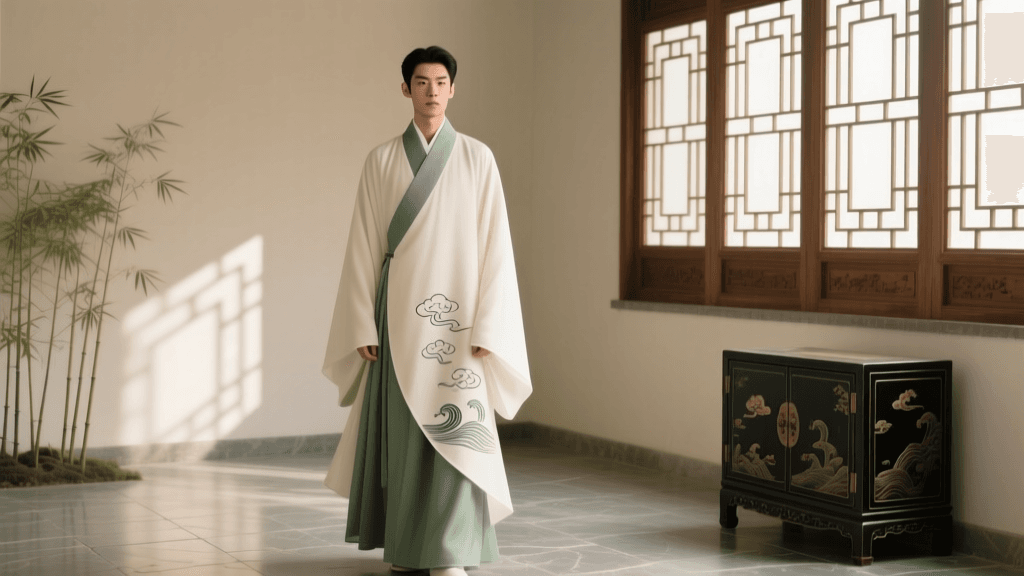
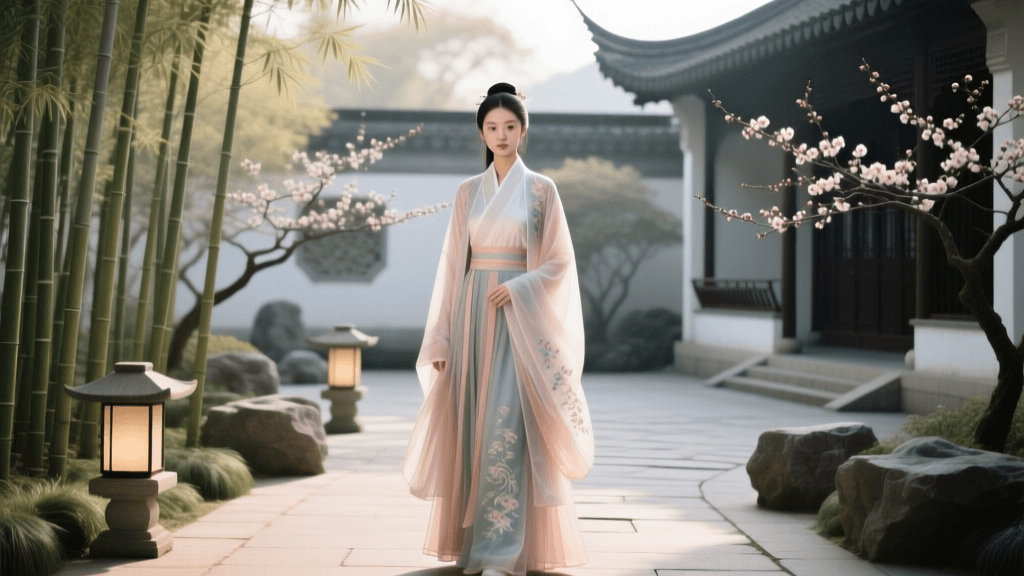
Top Chinese Fashion Creators Reviving Hanfu Trends in 2026
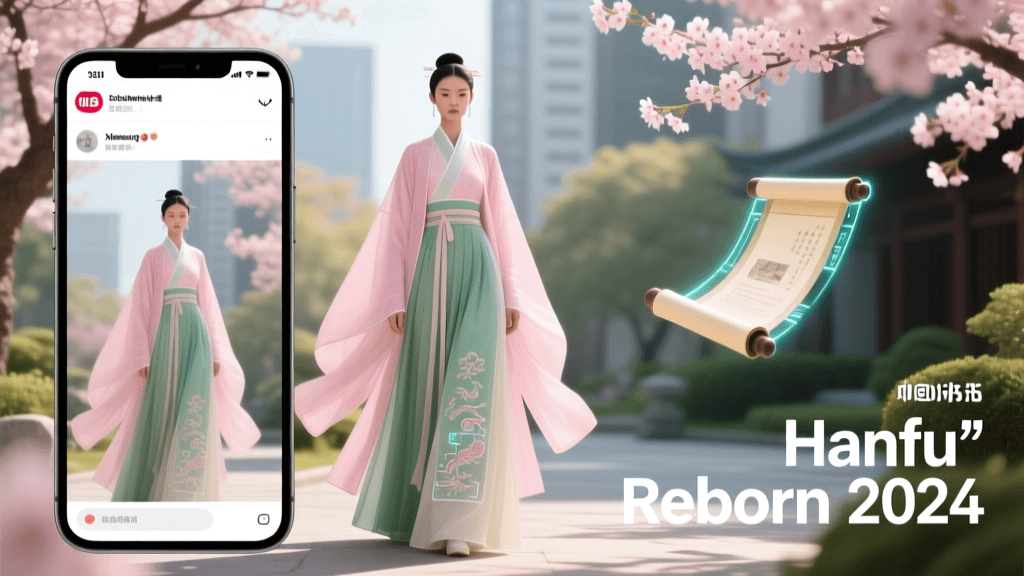
The Evolution of Chinese Fashion Journalism in 2026
The landscape of Chinese fashion journalism has undergone a radical transformation over the past decade, shifting from the glossy pages of legacy print magazines to the dynamic, algorithm-driven feeds of social commerce platforms. In 2026, the most influential voices in Asian traditional garments are no longer just editorial directors at major publishing houses; they are independent content creators, archival historians, and digital stylists who specialize in the Hanfu movement. These creators are not merely showcasing clothing; they are engaged in rigorous digital journalism, dissecting the historical accuracy, textile engineering, and cultural significance of traditional Chinese dress.
According to recent consumer insights published by Jing Daily, the modern Chinese consumer's appetite for heritage fashion has evolved from novelty to a demand for exacting historical authenticity. Today's top fashion bloggers operate as hybrid journalist-stylists. They spend weeks in museum archives, collaborating with textile researchers to verify the pleat counts of a Ming Dynasty Mamianqun (horse-face skirt) or the precise weave structure of Song Dynasty Luo silk. This meticulous approach to fashion journalism has elevated traditional garment content from simple outfit-of-the-day (OOTD) posts into deeply researched cultural documentaries.
Key Platforms Driving the Traditional Garment Renaissance
To understand the Chinese fashion journalism ecosystem in 2026, one must understand the distinct editorial languages of its dominant platforms. Each social network demands a unique approach to storytelling, visual composition, and audience engagement.
| Platform | Primary Content Format | Journalistic Focus | Audience Demographic |
|---|---|---|---|
| Xiaohongshu (RED) | High-res photo carousels, short vlogs, AR try-ons | Styling guides, brand reviews, textile close-ups, purchasing advice | Urban women 18-35, high purchasing power, trend-conscious |
| Bilibili | Long-form video essays, mini-documentaries (15-40 mins) | Historical deep-dives, dynasty-specific tailoring, artisan interviews | Gen Z and Millennials, history enthusiasts, cosplay and Hanfu communities |
| Douyin | Cinematic short-form video, live-stream commerce | Visual storytelling, dramatic transitions, artisan workshop tours | Broad national reach, tier 2 and tier 3 city consumers |
| Micro-blogging, threaded essays, photo dumps | Industry news, academic debates on garment reconstruction, event coverage | Fashion industry insiders, academics, hardcore traditionalists |
As noted by the Business of Fashion, Xiaohongshu has cemented its position as the ultimate search engine for Chinese lifestyle and fashion decisions. In 2026, Xiaohongshu's algorithm heavily favors 'slow fashion' and educational content, rewarding creators who provide detailed breakdowns of traditional dyeing methods like cao mu ran (plant-based dyeing) and xiangyunsha (mud-silk) production.
Top Content Creator Archetypes Shaping the Hanfu Movement
The creators leading the charge in Chinese traditional fashion journalism generally fall into three distinct archetypes, each bringing a unique editorial lens to the garment.
1. The Archival Historian
These creators treat fashion journalism as an extension of academic research. They frequently visit the China National Silk Museum or the Palace Museum to study extant garments. Their content often features side-by-side comparisons of unearthed textile fragments and modern commercial reproductions. They are the fact-checkers of the community, frequently publishing 'debunking' videos that correct popular misconceptions about cross-collar orientations or the inappropriate use of Qing Dynasty motifs on Han Dynasty silhouettes. Their authority is built on citations, museum partnerships, and an uncompromising dedication to historical integrity.
2. The Modern Mamianqun Stylist
While historians focus on the past, the modern stylist focuses on integration. Their journalism revolves around the 'Hanfu daily wear' (Hanfu richang) movement. They write extensively on how to pair a heavy, brocade Ming Dynasty Mamianqun with a contemporary cashmere turtleneck or a tailored wool blazer for a 2026 corporate office environment. Their reviews focus on practical metrics: fabric drape, wrinkle resistance, ease of movement on public transit, and the structural integrity of the skirt's waistband during a full workday. They bridge the gap between museum artifacts and modern wardrobes.
3. The Artisan Documentarian
Focusing on the supply chain and craftsmanship, these creators travel to heritage hubs like Suzhou, Hangzhou, and Nanjing. Their journalism highlights the intangible cultural heritage of Chinese textiles. A typical post might involve a 20-minute documentary on the grueling, months-long process of creating kesi (silk tapestry) or the complex mathematics behind operating a traditional yunjin (cloud brocade) loom. By highlighting the artisans, they educate consumers on why authentic, hand-woven traditional garments command premium prices, thereby protecting the market from cheap, mass-produced synthetic knock-offs.
Actionable Strategies for Aspiring Traditional Fashion Bloggers
For those looking to enter the niche of Asian traditional garment journalism, the barrier to entry regarding audience expectation is higher than ever. Viewers in 2026 demand cinematic quality and encyclopedic knowledge. Here is a practical guide to setting up a professional traditional fashion content pipeline.
Studio and Location Scouting
Traditional garments rely heavily on texture and light interaction. Shooting in flat, overcast outdoor light often washes out the intricate gold-leaf threads of a Mamianqun.
- Lighting Gear: Invest in color-accurate LED panels like the Aputure Nova P300c. Traditional dyes (such as indigo, madder root, and rattan yellow) require a high CRI (Color Rendering Index) of 95+ to be captured accurately on camera.
- Backgrounds: Avoid stark white cycloramas. Opt for textured backgrounds like raw linen backdrops, reclaimed wood, or architectural locations featuring traditional Chinese lattice windows (lou chuang) to provide contextual framing without distracting from the garment.
Photography and Videography Equipment
To capture the fine details of embroidery and weaving, your gear must support extreme close-ups and high dynamic range.
- Camera Body: The Sony A7R V or Fujifilm GFX 100 II are industry standards for fashion creators in 2026, offering the megapixel count necessary to crop into intricate suzhou embroidery patterns without losing sharpness.
- Lenses: A macro lens (like a 90mm f/2.8) is non-negotiable for 'textile Tuesday' style posts where you analyze the weave structure. Pair this with an 85mm f/1.4 for environmental portraits that isolate the subject while maintaining a cinematic depth of field.
Editorial Fact-Checking Protocol
Before publishing any review or historical breakdown, establish a rigorous fact-checking workflow. Cross-reference your claims with digital archives provided by institutions recognized for preserving cultural heritage, such as the UNESCO Intangible Cultural Heritage lists. Always verify the dynasty, the specific garment name (e.g., distinguishing between a Beizi and a Pijian), and the appropriate social class that would have historically worn the garment. Transparency builds trust; if a modern brand takes creative liberties with a historical silhouette, address it respectfully but honestly in your review.
Monetization and Brand Partnerships in 2026
The business model for Chinese fashion journalists in the heritage space has matured significantly. In 2026, top creators are moving beyond simple affiliate links. They are engaging in 'co-creation' (lian ming) with established Hanfu brands like Shisan Yu, Zhongling, and Ming Huatang. In these partnerships, the journalist uses their historical research to help the brand's design team develop a new, historically accurate collection. The creator then documents the entire R&D process, from sourcing the raw silk in Zhejiang to the final fitting, turning the marketing campaign into an educational documentary series.
Furthermore, many successful bloggers have launched their own independent publishing ventures, releasing digital and physical 'zines' that serve as comprehensive lookbooks and historical guides for specific dynasties. These are often sold via WeChat Mini Programs, allowing creators to retain a higher margin and cultivate a dedicated, paying community of heritage fashion enthusiasts.
The Future of Digital Heritage Fashion
As we navigate through 2026, the intersection of technology and tradition continues to deepen. Xiaohongshu's recent integration of AI-driven textile analysis allows users to upload a photo of a vintage garment and receive an instant breakdown of its probable dynasty, weave type, and styling recommendations. However, technology cannot replace the human element of fashion journalism. The nuanced storytelling, the passion for cultural preservation, and the tactile appreciation of silk and linen remain the domain of the human creator. For the Asian traditional garment community, these digital journalists are the vital bridge ensuring that centuries of sartorial wisdom are not just preserved in glass museum cases, but lived, worn, and celebrated in the modern world.