Top Hanfu Certification Programs & Education Workshops 2026
The Evolution of Hanfu Education in 2026
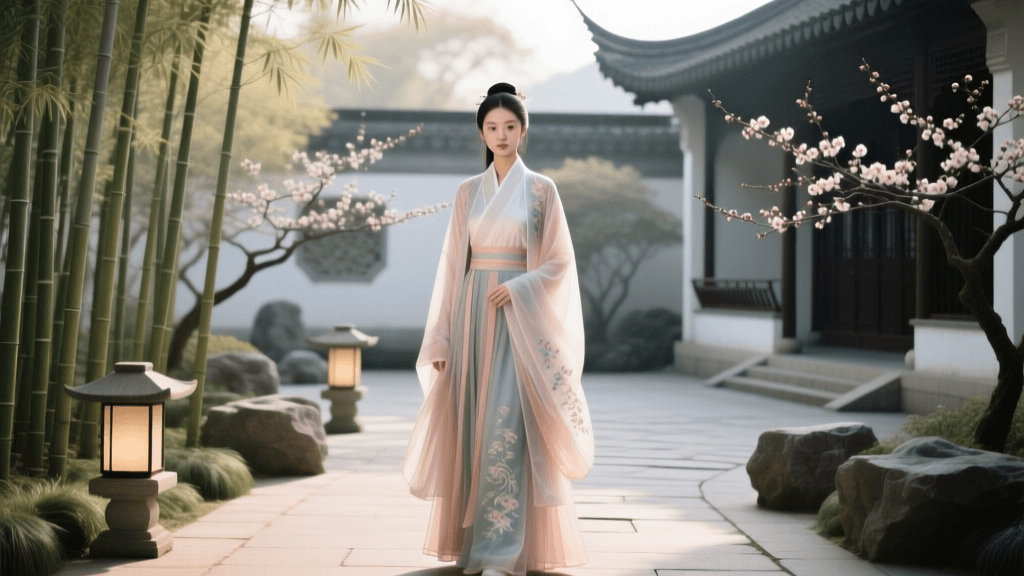
Over the past decade, the Hanfu movement has transformed from a passionate internet subculture into a globally recognized academic and professional discipline. As we navigate 2026, the demand for authentic, historically accurate traditional Chinese clothing has created a booming industry for specialized education. Hanfu education workshops and formal certification programs are now at the forefront of preserving ancient textile techniques, dynastic styling, and cultural etiquette. Whether you are an aspiring historical costume designer, a cultural heritage curator, or a dedicated enthusiast looking to deepen your understanding, the educational landscape for Hanfu in 2026 offers unprecedented rigor and accessibility.
According to the UNESCO guidelines on safeguarding traditional craftsmanship, the transmission of artisanal skills through formalized workshops and mentorships is vital for the survival of intangible cultural heritage. Modern Hanfu certification programs embody this principle, bridging the gap between ancient tailoring secrets and contemporary sustainable fashion practices.
Why Enroll in a Hanfu Certification Program in 2026?
The commercial and cultural footprint of Hanfu has expanded dramatically. In 2026, the global market for traditional Asian garments is heavily influenced by historical accuracy, driven by consumer demand for authenticity in film, television, tourism, and high fashion. Earning a recognized certification provides several distinct advantages:
- Professional Credibility: Studios, museums, and cultural tourism boards actively seek certified professionals for consulting and styling roles.
- Mastery of Dynastic Nuance: Move beyond generic 'ancient Chinese dress' to master the specific structural differences between Tang, Song, and Ming dynasty garments.
- Access to Archival Resources: Certified students often gain access to private textile archives and proprietary pattern-making databases.
- Sustainable Textile Skills: Learn traditional eco-friendly dyeing and flat-cutting (Pingjian) techniques that produce zero fabric waste.
Core Certification Tracks Available Today
The 2026 educational ecosystem is highly specialized. Rather than generic overviews, top-tier institutes now offer distinct certification tracks tailored to specific career paths.
1. Historical Tailoring and Textile Restoration
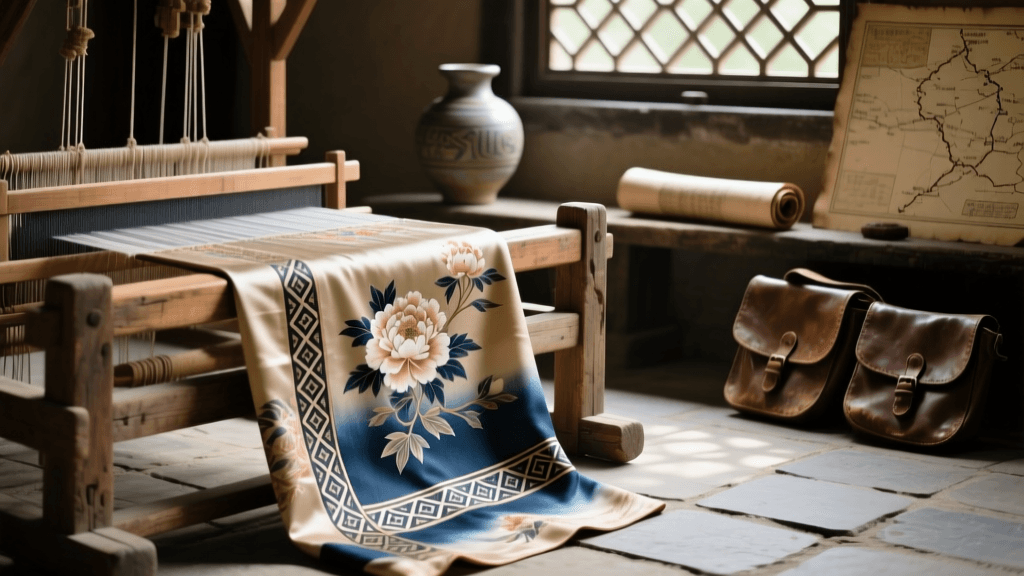
This track is designed for makers, seamstresses, and conservators. Students learn the mathematics of traditional flat-pattern cutting, where garments are constructed from geometric shapes without the darts and curved seams of Western tailoring. Coursework includes mastering the use of traditional silk looms, natural indigo and madder root dyeing, and the meticulous hand-stitching techniques required for authentic Ming Dynasty Aoqun (jacket and skirt) sets. Institutions like the Victoria and Albert Museum's Chinese Textile archives have noted a surge in academic interest in these conservation techniques, and modern workshops now utilize AI-assisted pattern reconstruction to reverse-engineer damaged historical artifacts for study.
2. Professional Styling, Draping, and Etiquette
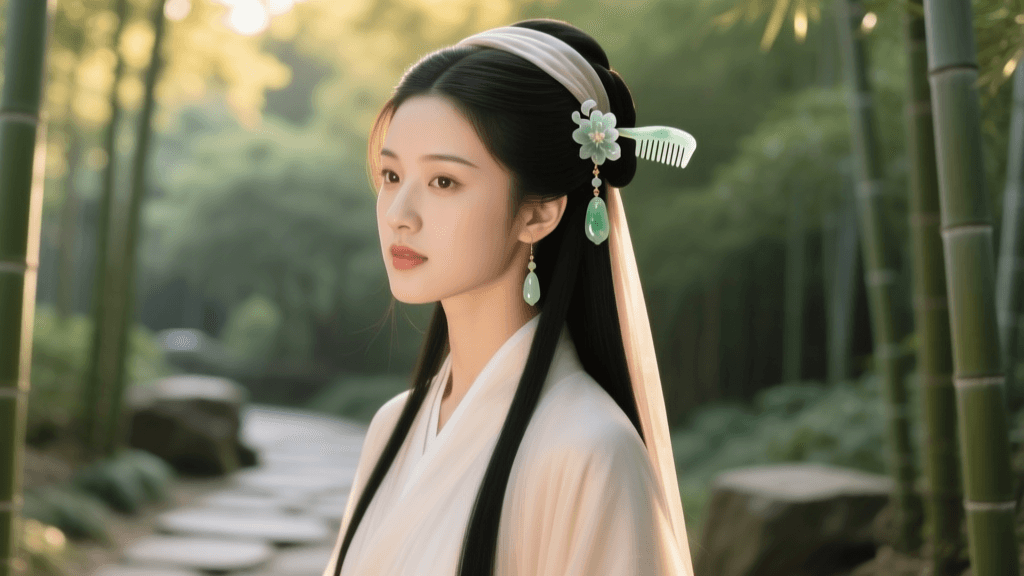
Aimed at fashion stylists, wedding planners, and cultural ambassadors, this certification focuses on the visual and behavioral aesthetics of Hanfu. Students learn the complex rules of layering, such as the proper arrangement of the Song Dynasty Beizi over a pleated skirt, and the symbolic meanings behind hairpin placements and jade accessories. The curriculum also covers traditional etiquette, including the Zuoquan (cupped hand salute) and posture requirements for different dynastic contexts.
3. Cultural Heritage and Museum Curation
This advanced academic track is tailored for historians and museum professionals. It covers the archival care of delicate silks, the historical socio-political context of sumptuary laws that dictated who could wear what colors and motifs, and the ethics of displaying traditional garments. The Metropolitan Museum of Art's Heilbrunn Timeline of Art History provides foundational texts that many of these 2026 certification syllabi rely upon to teach the evolution of Chinese dress from the Han to the Qing dynasties.
2026 Hanfu Certification Programs Comparison
To help you choose the right path, we have compiled a comparison of the leading Hanfu education formats available this year.
| Program Type | Primary Focus | Duration | 2026 Average Cost (USD) | Format |
|---|---|---|---|---|
| Intensive Styling Masterclass | Hair, makeup, layering, and etiquette | 2 Weeks (80 Hours) | $1,200 - $1,800 | In-Person / Hybrid |
| Traditional Tailoring Diploma | Flat-cutting, natural dyeing, hand-sewing | 6 Months (Part-Time) | $4,500 - $6,000 | In-Person with VR Loom Sims |
| Textile Conservation Certificate | Archival care, restoration, fiber analysis | 1 Year (Academic) | $8,500 - $12,000 | University / Museum Partnership |
| Weekend Enthusiast Workshop | Basic draping, history, and accessory craft | 3 Days (24 Hours) | $350 - $500 | Online / Local Cultural Centers |
Inside the Curriculum: What to Expect
If you enroll in a comprehensive Tailoring and Styling Diploma in 2026, your syllabus will likely be divided into rigorous, historically grounded modules. Here is a snapshot of what a modern, high-level Hanfu curriculum entails:
- Module 1: Fiber and Thread: Identifying authentic mulberry silk, wild tussah, and ramie. Learning to spin and prepare threads for traditional weaving.
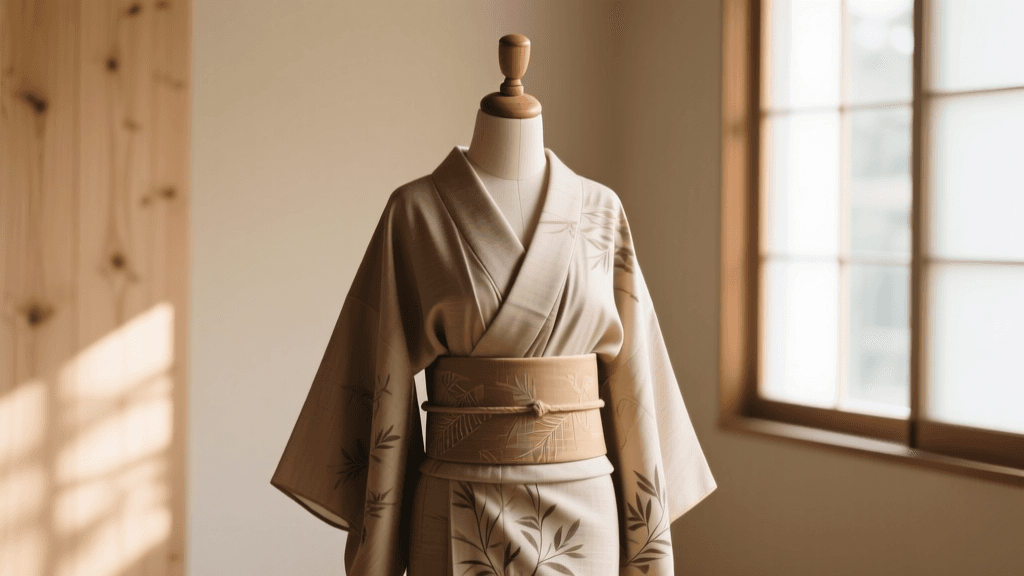
- Module 2: The Geometry of Pingjian: Understanding how ancient tailors used the width of the loom as the primary measurement, resulting in the iconic drop-shoulder and wide-sleeve silhouettes.
- Module 3: Dynasty-Specific Construction:
- Tang Dynasty: Crafting the high-waisted Shanqun and mastering the draping of the Pibo (silk shawl).
- Song Dynasty: Constructing the slender, elegant Beizi and mastering minimalist pleating techniques.
- Ming Dynasty: Tailoring the structured Ao (jacket) with its distinctive piped edges and horse-face skirt (Mamianqun) pleating mathematics.
- Module 4: Motif and Symbolism: Studying the rank badges (Buzi) and auspicious patterns, ensuring that modern reproductions respect historical sumptuary laws and cultural significance.
Tuition, Scholarships, and Enrollment Logistics
The cost of Hanfu education in 2026 reflects the specialized nature of the instruction and the high cost of raw materials like authentic silk and natural dyes. However, recognizing the importance of cultural preservation, many institutions now offer financial aid. The Global Traditional Textile Fund, for instance, offers merit-based scholarships covering up to 60% of tuition for students committed to open-source pattern sharing and community teaching.
Enrollment typically requires a portfolio of basic sewing skills or a demonstrated background in historical research. For international students, many top academies in Hangzhou, Suzhou, and Chengdu now offer fully translated English curricula, complete with bilingual instructors and virtual reality (VR) modules that allow remote students to practice loom threading and fabric draping in a simulated 3D environment before handling physical textiles.
Career Pathways for Certified Professionals
Graduating with a Hanfu certification in 2026 opens doors to a variety of lucrative and culturally significant career paths. The entertainment industry is a major employer; historical drama productions and high-budget video game studios rely on certified consultants to ensure character designs are historically plausible and culturally respectful.
Additionally, the booming cultural tourism sector in Asia and major Western museums frequently hire certified stylists to manage immersive historical experiences, ensuring that visitors engaging in dress-up activities are wearing garments correctly and respectfully. Independent entrepreneurship is also highly viable; many certified tailors launch bespoke Hanfu ateliers, catering to a global clientele seeking museum-quality, custom-fitted traditional garments for weddings, tea ceremonies, and cultural festivals.
Preserving the Past with Modern Methodology
The Hanfu education workshops and certification programs of 2026 represent a beautiful synthesis of ancient wisdom and modern pedagogical tools. By formalizing the transmission of these intricate textile arts, the current generation of educators is ensuring that the profound beauty, philosophy, and craftsmanship of traditional Chinese clothing will not only be preserved in museum archives but will continue to be a living, breathing part of global cultural expression. Whether you aim to stitch your own Ming Dynasty jacket or curate a gallery exhibition, pursuing formal certification is the definitive first step toward mastering this timeless art form.