Shanghai Cheongsam Tailoring Workshops 2026: Complete Guide
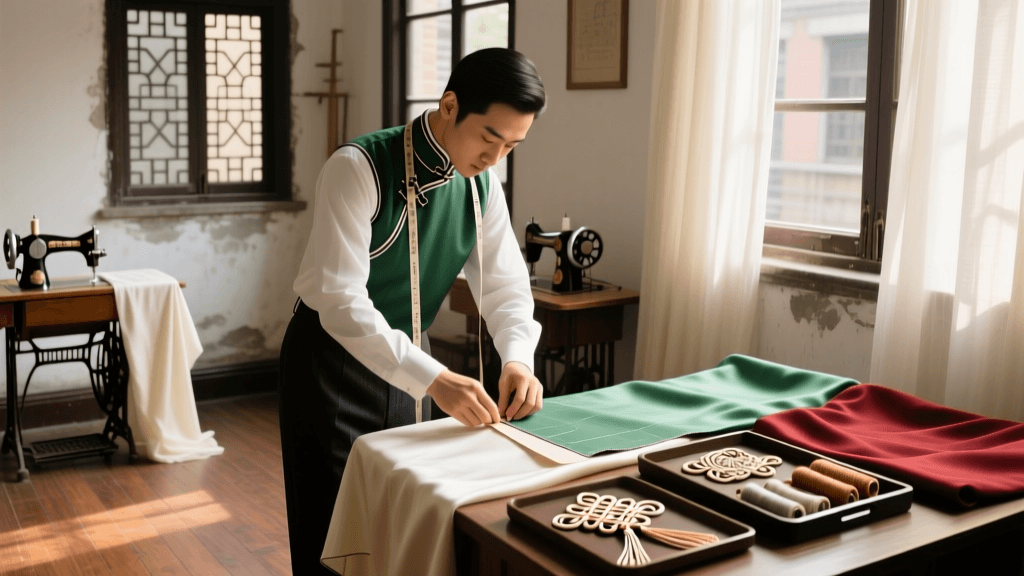
The 2026 Renaissance of Bespoke Cheongsam Craftsmanship
The cheongsam, also widely known as the qipao, is far more than a symbol of mid-century elegance; it is a masterclass in structural engineering and textile manipulation. As we navigate through 2026, the global fashion community has seen a massive resurgence in the demand for authentic, hand-finished traditional Asian garments. Discerning students and designers are no longer satisfied with mass-produced, fast-fashion interpretations. Instead, they are traveling to the source to master the intricate techniques of bespoke tailoring. Shanghai, the historical and spiritual birthplace of the modern cheongsam, remains the undisputed epicenter for these immersive educational experiences.
According to Britannica's historical archives on the cheongsam, the garment evolved dramatically from the loose, flowing robes of the Qing Dynasty into the form-fitting, sophisticated silhouette popularized in the 1930s. Today, mastering this evolution requires an understanding of both historical context and advanced textile science. In 2026, Shanghai’s premier tailoring seminars have updated their curricula to include sustainable practices, such as working with certified peace silks and upcycled vintage Xiangyunsha (gambiered Canton gauze), ensuring that ancient techniques meet modern ethical standards.
Top 3 Cheongsam-Making Seminars in Shanghai for 2026
For international students and serious hobbyists, selecting the right workshop is crucial. The following three seminars represent the pinnacle of traditional garment-making education available in Shanghai this year.
1. The Heritage Flat-Cutting Intensive at the Shanghai Arts & Crafts Institute
This rigorous five-day seminar focuses entirely on the traditional Shi Zi (cross-shaped) flat-cutting method. Unlike Western tailoring, which relies on darts, princess seams, and shoulder slopes to create a three-dimensional form, traditional qipao construction utilizes a single, continuous piece of fabric. Students learn how to draft patterns that fold over the shoulder without a seam, relying on the natural drape of the silk and the strategic placement of the side slits. The 2026 curriculum places a heavy emphasis on the Gui Ba technique, a specialized method of using steam and heavy irons to shrink and stretch silk fibers, molding the flat fabric to the curves of the human body without cutting it.
2. Xiangyunsha Silk Draping and Dyeing Masterclass
Xiangyunsha is one of the most luxurious and complex silks in the world, dyed using the juice of the dioscorea cirrhosa plant and coated in iron-rich river mud. Recognized for its cultural significance, the broader context of Chinese silk production is meticulously documented by UNESCO's Intangible Cultural Heritage registry. This specialized three-day workshop in Shanghai’s French Concession teaches students how to handle, cut, and sew this notoriously slippery and stiff fabric. In 2026, the seminar includes a module on identifying authentic, eco-certified Xiangyunsha versus synthetic imitations, a critical skill for modern bespoke tailors.
3. The Pan-Kou (Frog Fastener) Knotting & Embellishment Workshop
A cheongsam is incomplete without its Pan-Kou, the intricate knotted frog fasteners that serve as both functional closures and decorative art. As detailed in China Highlights' cultural guide to traditional knotting, these knots carry deep symbolic meanings, ranging from longevity to prosperity. This two-day masterclass teaches the meticulous process of wrapping silk around copper wire cores, starching the fabric, and shaping it into complex floral and geometric motifs. Students in 2026 are also introduced to modern, lightweight titanium cores that prevent the fasteners from tarnishing or weighing down delicate silk lapels.
Workshop Comparison Chart: Costs, Duration, and Focus
To help you choose the right educational path, we have compiled a comparison of the top 2026 seminars, including updated tuition rates and skill prerequisites.
| Workshop Name | Duration | 2026 Tuition (USD) | Skill Level | Core Technique Focus |
|---|---|---|---|---|
| Heritage Flat-Cutting Intensive | 5 Days | $1,450 | Intermediate to Advanced | Shi Zi Pattern Drafting & Gui Ba Ironing |
| Xiangyunsha Draping Masterclass | 3 Days | $980 | Intermediate | Handling Stiff Silks & Bias Draping |
| Pan-Kou Knotting Seminar | 2 Days | $650 | Beginner to Advanced | Wire Wrapping & Motif Shaping |
Technical Deep Dive: Traditional Flat-Cutting vs. Western Draping
One of the most profound revelations for Western-trained tailors attending these Shanghai workshops is the fundamental difference in pattern philosophy. Western garment construction is essentially sculptural; it cuts fabric into multiple smaller pieces to map the topography of the body. The traditional cheongsam, conversely, is architectural and respectful of the textile's integrity.
In the 2026 Heritage Flat-Cutting Intensive, instructors emphasize that cutting the fabric severs its energy and structural continuity. By utilizing the Shi Zi cross-shape, the fabric remains unbroken across the shoulders and down the sleeves. The shaping is achieved entirely through the Gui Ba (ironing) process. Using a heavy, traditional cast-iron tailor's clapper and precise bursts of steam, the artisan forces the warp and weft threads of the silk to shift. The fabric is physically shrunk at the waist and stretched at the bust and hips. This requires an intimate understanding of silk grain and tension, a skill that takes years to perfect but is introduced comprehensively in these advanced seminars.
Essential Tools and Materials for 2026 Attendees
While the Shanghai institutes provide industrial steam irons, dress forms, and basic sewing machines, serious students are expected to bring their own hand tools. The 2026 recommended toolkit for international attendees includes:
- Professional Silk Shears: A high-quality pair of 10-inch micro-serrated shears (such as the Kai 7250SE) is mandatory for cutting slippery silks without fraying the edges.
- Silk Pins and Weights: Extra-fine glass-head pins and weighted pattern blocks are essential, as traditional silk cannot be marked with standard tailor's chalk without risking permanent staining.
- Tailor's Clapper: A dense, unfinished hardwood clapper is necessary to trap steam in the silk fibers during the Gui Ba shaping process, ensuring crisp seams and molded curves.
- Thimbles and Needle Threaders: Hand-sewing the inner linings and attaching the Pan-Kou requires fine, short needles and durable leather thimbles to push through multiple layers of stiffened silk.
Practical Logistics: Visas, Language, and Booking
Attending a seminar in Shanghai requires careful logistical planning. Fortunately, China's expanded 144-hour visa-free transit policy, fully optimized for cultural and educational tourism in 2026, makes short-term workshop attendance highly accessible for many international travelers. However, for the five-day intensive courses, a standard tourist or short-term study visa is still required.
Language barriers have been significantly reduced in recent years. The top-tier institutes now employ dedicated bilingual teaching assistants who translate technical tailoring terminology in real-time. Nevertheless, familiarizing yourself with basic Mandarin sewing terms—such as jian (scissors), zhen (needle), and si chou (silk)—will greatly enhance your rapport with the master tailors.
Due to the intimate class sizes (capped at eight students to ensure personalized instruction from the master tailors), these 2026 workshops frequently sell out months in advance. Prospective students are advised to submit their portfolios or sewing samples by early autumn of the previous year to secure their placement. Whether you are a bespoke tailor looking to expand your technical repertoire or a cultural historian seeking a tactile connection to Asian heritage, mastering the cheongsam in its city of origin is an unparalleled educational journey.