Osage & Plains Ribbon Shirts: 2026 Sizing & Sourcing Guide
The Enduring Legacy of the Ribbon Shirt
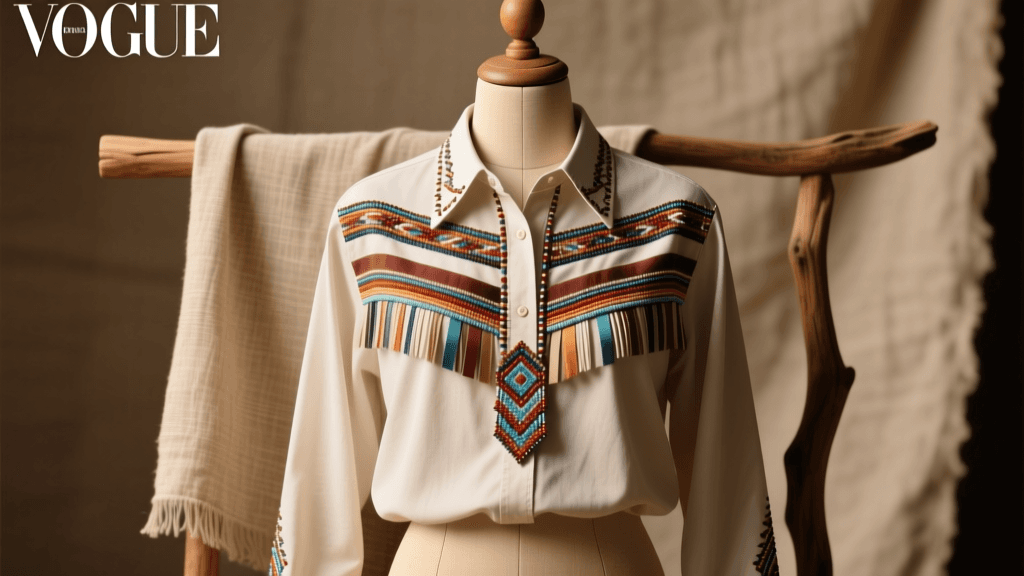
The ribbon shirt is one of the most recognizable and culturally significant garments in contemporary Indigenous North American fashion. Worn by men, women, and Two-Spirit individuals across hundreds of tribes, the ribbon shirt is a pan-Indigenous symbol of resilience, adaptation, and cultural pride. As we navigate the 2026 powwow season and the broader resurgence of traditional Native American regalia in everyday and ceremonial wear, understanding the nuances of this garment is essential for collectors, cultural enthusiasts, and community members alike.
Historically, the ribbon shirt evolved from the trade cloth shirts of the 18th and 19th centuries. When European traders introduced silk ribbons and cotton calico to North America, Indigenous artisans brilliantly adapted these materials. They replaced the traditional quillwork and hide-fringe with vibrant ribbon appliqué, creating a garment that was both functional and deeply expressive. Today, in 2026, the ribbon shirt remains a staple at powwows, graduations, weddings, and political gatherings, bridging the gap between historical continuity and modern Indigenous identity.
Regional Variations Across North America
While the ribbon shirt is worn universally across Native America, the design elements, color palettes, and accompanying accessories vary drastically by region and tribe.
Osage Nation (Southern Plains)
The Osage people are widely credited with pioneering the intricate ribbon appliqué techniques that define the modern shirt. Osage ribbon work is characterized by bold, geometric patterns and striking color contrasts. In 2026, traditional Osage shirts are often paired with intricate finger-woven sashes and otter-fur turbans. The Osage Nation Museum frequently highlights how these geometric cut-and-sew ribbon patterns represent clan affiliations and familial histories, making each shirt a deeply personal archive.
Lakota and Dakota (Northern Plains)
In the Northern Plains, Lakota and Dakota artisans often combine ribbon appliqué with exquisite beadwork and dentalium shell accents. The shirts here may feature longer, flowing ribbons that mimic the movement of traditional fringe. For the 2026 powwow circuit, Northern Plains dancers frequently incorporate metallic or iridescent ribbons that catch the arena lights, blending traditional silhouettes with contemporary textile innovations.
Ojibwe and Great Lakes Tribes
The Great Lakes region, particularly among the Ojibwe (Anishinaabe), showcases a distinct departure from the geometric patterns of the Plains. Here, ribbon shirts and dresses are heavily influenced by the region's famous floral beadwork motifs. Silk and satin ribbons are layered to create blooming, organic shapes. The Smithsonian National Museum of the American Indian notes that Great Lakes ribbon work often utilizes a reverse-appliqué technique, revealing underlying colors to create the 'petals' of the floral designs.
2026 Sizing and Measurement Guide
Whether you are commissioning a bespoke piece from a Native artist or purchasing ready-to-wear from a verified Indigenous vendor, proper sizing is crucial. Traditional ribbon shirts are generally designed with a relaxed, slightly boxy fit to allow for ease of movement during dancing and to accommodate layering over undershirts or vests.
To ensure a perfect fit in 2026, take the following measurements using a soft fabric tape measure:
- Chest: Measure around the fullest part of the chest, keeping the tape level under the arms.
- Shoulder Width: Measure across the back from the edge of one shoulder bone to the other.
- Sleeve Length: With the arm slightly bent, measure from the shoulder edge down to the wrist bone.
- Shirt Length: Measure from the base of the neck (center back) down to the desired hemline, usually mid-fly or just above the knee for traditional styles.
Standard Sizing Chart for Men's and Unisex Ribbon Shirts
| Size | Chest (inches) | Shoulder (inches) | Sleeve (inches) | Length (inches) |
|---|---|---|---|---|
| Small | 38 - 40 | 18 | 24 | 28 |
| Medium | 42 - 44 | 19.5 | 25 | 29 |
| Large | 46 - 48 | 21 | 26 | 30 |
| X-Large | 50 - 52 | 22.5 | 27 | 31 |
| 2X-Large | 54 - 56 | 24 | 28 | 32 |
Note: Women's tailored ribbon shirts often feature darting at the waist and a slightly shorter hemline. Always consult the specific artist's measurement chart, as handmade garments in 2026 are frequently customized to the buyer's exact specifications.
Materials: Choosing the Right Fabric
The longevity and drape of a ribbon shirt depend heavily on the base fabric and the ribbons used. In 2026, sustainable and high-quality textiles are highly sought after by top-tier Indigenous designers.
- Broadcloth (Cotton/Poly-Blend): The most common base fabric. It is durable, breathable, and holds the weight of heavy ribbon appliqué without sagging. Trigger cotton is a premium choice that resists wrinkling.
- Velvet: Popular for winter powwows and formal events. Velvet provides a rich, matte background that makes bright satin ribbons pop. However, it requires specialized sewing needles and careful maintenance.
- Grosgrain vs. Satin Ribbons: Grosgrain ribbons are ribbed and highly durable, making them ideal for shirts that will be worn frequently and washed. Satin ribbons offer a brilliant shine for dance regalia but are more prone to snagging and fraying.
Ethical Sourcing and Authenticity in 2026
As Indigenous fashion gains global visibility, the market has unfortunately seen an influx of mass-produced, culturally appropriated knockoffs. When purchasing a ribbon shirt, it is vital to ensure your money supports Native artisans and communities.
'Every stitch in a traditional ribbon shirt carries the weight of our ancestors and the vision of our future. When you buy authentic, you are investing in the survival of our artistic sovereignty.' — Contemporary Osage Textile Artist, 2026.
To protect consumers and Native artists, the United States government enforces the Indian Arts and Crafts Act. This federal truth-in-advertising law prohibits misrepresentation in marketing American Indian or Alaska Native arts and crafts. Under this act, it is illegal to offer or display for sale any art or craft product in a manner that falsely suggests it is Indian-produced.
Checklist for Ethical Purchasing:
- Verify Tribal Enrollment: Reputable artists will transparently list their tribal affiliation and enrollment status on their websites or social media bios.
- Avoid Fast Fashion Retailers: If a 'ribbon shirt' is sold on massive overseas e-commerce platforms for under $40, it is almost certainly a mass-produced imitation that violates intellectual property and cultural norms.
- Attend Verified Powwows: The best way to source authentic garments in 2026 is to buy directly from vendors at major, verified powwows such as the Gathering of Nations or the Crow Fair, where vendor authenticity is strictly vetted by organizers.
- Expect Fair Pricing: A handmade, fully appliquéd ribbon shirt requires dozens of hours of precise sewing. In 2026, expect to pay between $150 for a simple, machine-stitched everyday shirt, and upwards of $400 to $800 for intricate, hand-finished ceremonial regalia.
Care and Maintenance
Proper care ensures that your ribbon shirt can be passed down as a family heirloom. The combination of pre-shrunk cotton and synthetic ribbons requires specific washing protocols.
- Washing: Turn the shirt inside out and wash on a gentle, cold-water cycle using a mild, color-safe detergent. Never use bleach, as it will yellow the white ribbons and degrade the fabric fibers.
- Drying: Air drying is strongly recommended. Hang the shirt on a padded hanger to prevent shoulder dimples. If you must use a dryer, use the lowest heat setting, as high heat can melt or warp satin ribbons and cause the base cotton to shrink unevenly.
- Ironing: If the shirt is wrinkled, iron it inside out on a low-to-medium setting. Never press an iron directly onto the ribbon appliqué, especially if it contains metallic threads or delicate satin, as it will scorch instantly.
By understanding the deep regional histories, accurate sizing requirements, and ethical sourcing standards of the ribbon shirt, you honor the Indigenous artisans who continue to keep this vibrant textile tradition alive in 2026 and beyond.