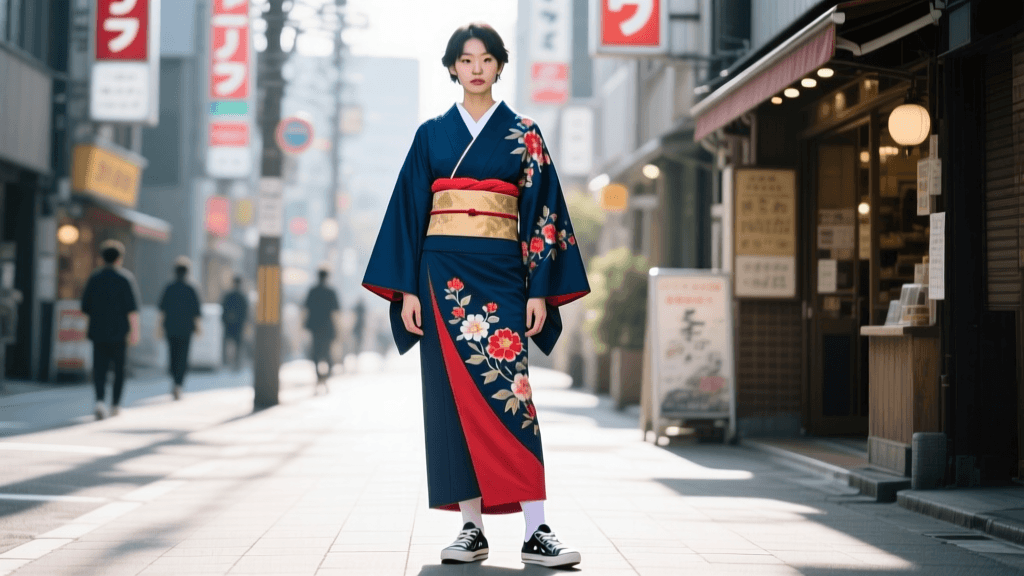
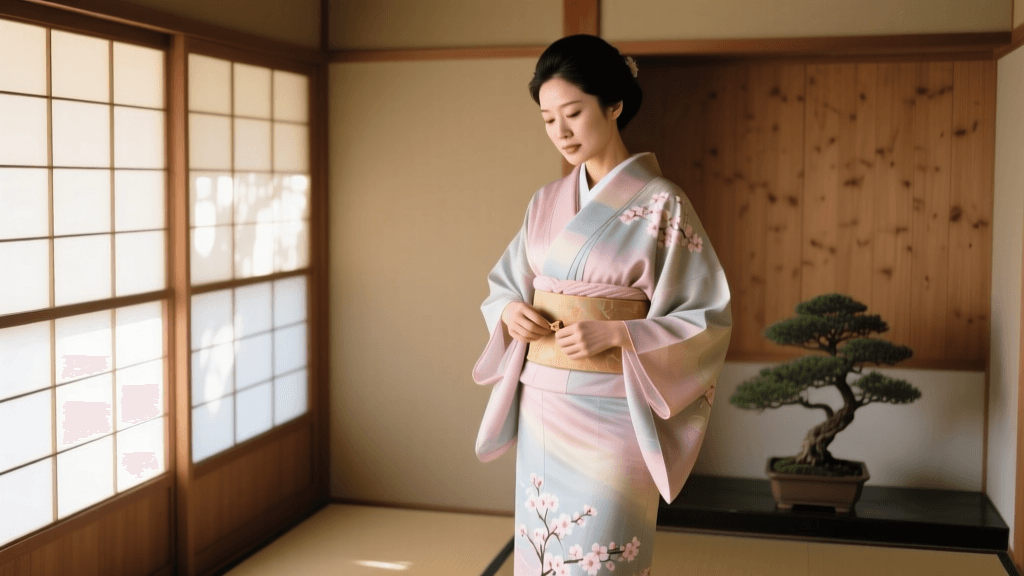
Zen Mindful Dressing: Best Samue & Kimono for Zazen 2026
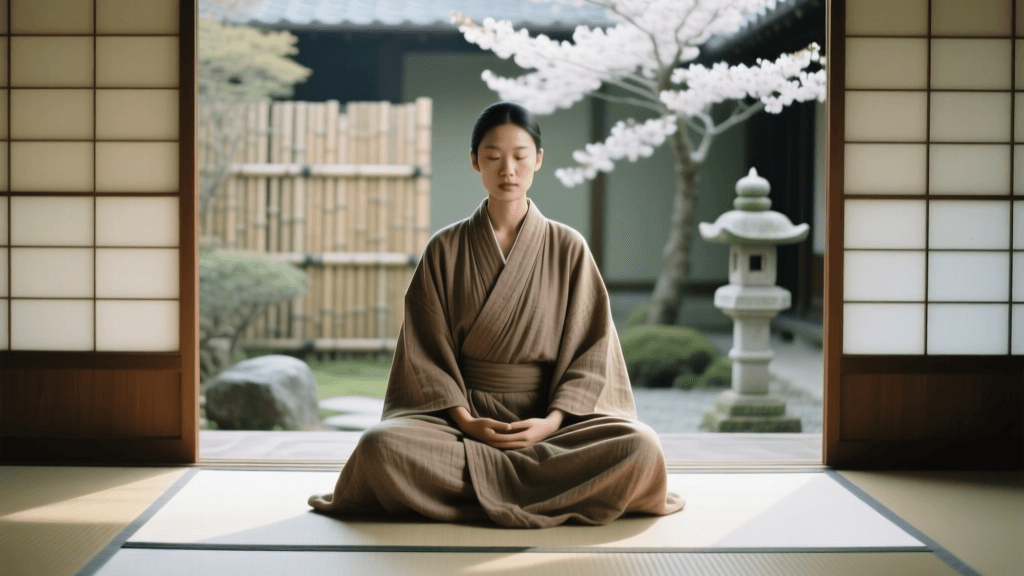
The Intersection of Zen Spirituality and Mindful Dressing
In the fast-paced modern world, the act of getting dressed is often reduced to a rushed, thoughtless routine. However, within the context of Asian traditions and Zen spirituality, dressing is a profound opportunity for grounding and presence. For practitioners of Zazen (seated meditation), the garments worn are not merely functional coverings; they are tactile anchors that bridge the physical body and the meditative mind. As we navigate the spiritual and sartorial landscape of 2026, the intersection of mindful dressing—often referred to as kitsuke when applied to traditional Japanese clothing—and Zen practice has seen a remarkable resurgence. Modern practitioners are increasingly turning to traditional garments like the samue and the yukata to cultivate a deeper, more embodied meditation practice.
Mindful dressing requires the practitioner to slow down, synchronize their breath with their movements, and engage fully with the sensory experience of the fabric. According to foundational teachings on Zen Buddhism, every mundane action holds the potential for enlightenment if performed with total awareness. The physical weight, texture, and drape of a traditional garment serve as continuous somatic feedback, reminding the meditator to maintain proper posture and return to the present moment whenever the mind begins to wander.
Why Garment Choice Matters in Zazen Meditation
Zazen demands rigorous physical stillness, typically performed in kekkafuza (full lotus) or agura (cross-legged) postures. The clothing you wear directly impacts your physiological ability to sustain these postures for the standard 40-minute meditation periods. Restrictive waistbands, stiff synthetic fabrics, or tight collars can impede diaphragmatic breathing—known in Zen as hara breathing—and restrict blood flow to the lower extremities.
Furthermore, the tactile sensation of the fabric plays a crucial role in sensory grounding. As outlined by the Metropolitan Museum of Art in their extensive archives on Japanese textile traditions, natural fibers like hemp, linen, and cotton possess unique thermoregulatory and textural properties that synthetics cannot replicate. In 2026, the preference for meditation garments has shifted heavily toward organic, hand-loomed natural fibers that offer a slight, comforting friction against the skin, providing a subtle sensory anchor during long sits.
Samue vs. Kimono: Selecting Your 2026 Meditation Wardrobe
When curating a wardrobe for Zen practice, two primary garments dominate the discussion: the samue and the yukata (a casual summer kimono). Each serves a distinct purpose and offers a different meditative experience.
The Samue: The Modern Zen Standard
Originally designed as work clothing for Zen monks, the samue consists of a loose-fitting jacket and matching trousers. It is the undisputed champion of modern Zazen practice. In 2026, the market has seen a surge in premium asa (Japanese hemp) and organic cotton blends. A high-quality hemp samue provides excellent temperature regulation, keeping the practitioner cool during intense summer retreats (sesshin) while offering enough structural weight to feel grounding. The jacket's wrap-front design allows for unrestricted abdominal expansion, which is critical for deep, rhythmic breathing.
The Yukata and Juban: Traditional Elegance
For those who prefer the unbroken silhouette of a traditional kimono, the yukata is the preferred choice, particularly in warmer months. However, wearing a kimono for Zazen requires precise kitsuke (dressing technique). The obi (belt) must be tied softly and positioned slightly higher than the natural waist to avoid compressing the stomach. Beneath the yukata, a hadajuban (thin cotton undergarment) is essential to absorb perspiration and protect the outer garment, adding a layering ritual that deepens the mindful dressing process.
2026 Comparison Chart: Meditation Garments
To help you select the ideal garment for your practice, below is a structured comparison of the most popular Zen meditation garments available in 2026, factoring in current market pricing, fabric technology, and functional benefits.
| Garment Type | Primary Material (2026 Trends) | Breathability & Drape | Posture Restriction | Average Cost (USD) | Best Use Case |
|---|---|---|---|---|---|
| Samue (Hemp Blend) | Organic Asa (Hemp) / Cotton | High breathability, structured drape | Minimal (Excellent for Hara breathing) | $180 - $260 | Daily Zazen, rigorous Sesshin retreats |
| Samue (Cotton) | Kurume-woven organic cotton | Medium breathability, soft drape | Minimal | $90 - $140 | Winter meditation, temple work (Samu) |
| Yukata | Ojiya-chijimi (Linen crepe) | Exceptional airflow, flowing | Moderate (Requires careful Obi tying) | $120 - $200 | Summer evening meditation, ceremonial sits |
| Koromo (Monastic Robe) | Heavy raw silk or dense cotton | Low breathability, heavy drape | High (Requires advanced posture training) | $350 - $600+ | Formal liturgy, ordained practitioners only |
A Step-by-Step Mindful Dressing (Kitsuke) Routine
Transforming the act of dressing into a moving meditation requires intentionality. Modern practitioners often draw upon mindful living practices to elevate mundane tasks into spiritual exercises. Allocate 10 to 15 minutes before your Zazen sit to perform this mindful dressing routine.
- Centering (2 Minutes): Stand before your mirror or in a quiet room. Hold your folded samue or yukata in both hands. Take three deep, diaphragmatic breaths, feeling the weight and texture of the fabric. Acknowledge the labor, agriculture, and weaving that brought this garment to your hands.
- The First Sleeve (3 Minutes): Slide your left arm into the sleeve slowly. Focus entirely on the sensation of the fabric gliding over your skin. Notice the temperature difference between your skin and the natural fibers. Sync the movement of your arm with a slow, deliberate exhalation.
- Aligning the Collar (3 Minutes): Bring the right side of the garment across your body, followed by the left side over the right (always left over right for the living). Adjust the eri (collar) so it sits exactly one inch from the nape of your neck. This specific measurement ensures the cervical spine remains unencumbered, promoting the straight, alert posture required for Zazen.
- Tying the Obi or Himo (4 Minutes): If wearing a samue, tie the inner himo (strings) securely but gently at the hip bone, not the waist. Tie the outer sash with deliberate, looping movements. If wearing a yukata, wrap your soft heko obi (informal sash) around your waist, ensuring it is snug enough to hold the fabric but loose enough to allow your stomach to expand fully during inhalation.
- Final Grounding (2 Minutes): Smooth the fabric down your thighs and calves. Stand in shizentai (natural standing posture), feel the soles of your feet on the floor, and bow slightly to the garment and the practice ahead before moving to your meditation cushion (zafu).
Sourcing Ethical Zen Garments in 2026
The provenance of your meditation garment can significantly impact your psychological connection to it. In 2026, the most sought-after Zen garments are sourced directly from heritage weaving regions in Japan that have embraced regenerative agriculture. For cotton samue, textiles originating from Kurume in Fukuoka Prefecture remain the gold standard, prized for their durability and softening patina over years of use. For summer linen garments, look for authentic Ojiya-chijimi from Niigata, a UNESCO-recognized intangible cultural heritage technique that creates a highly breathable, textured crepe fabric ideal for preventing sweat adhesion during deep meditation.
When purchasing online or from specialized Asian tradition boutiques in 2026, expect to invest between $180 and $250 USD for a premium, ethically manufactured hemp samue set. While this is a higher upfront cost compared to mass-produced synthetic alternatives, a well-cared-for natural fiber garment will mold to the practitioner's body and last for decades, becoming a trusted companion on the path to spiritual awakening.
Caring for Your Garments as a Zen Practice
The mindfulness does not end when the meditation bell rings. Caring for your Zen garments is an extension of your practice. Hand-washing your samue or yukata in cold water with a mild, plant-based detergent allows you to engage with the element of water and practice gentle, repetitive motions. Avoid mechanical dryers; instead, hang the garments in the shade to dry, allowing gravity to naturally press the wrinkles from the hemp or cotton fibers. Folding the garment using the traditional tatami-maki (flat folding) method ensures the fibers are not stressed and prepares the garment beautifully for your next session of mindful dressing.
Conclusion
The integration of traditional Asian garments into Zen spirituality is far more than an aesthetic choice; it is a deeply functional and psychological tool for cultivating presence. By selecting the right natural fabrics, understanding the precise measurements required for unencumbered breathing, and approaching the act of dressing as a sacred ritual, practitioners in 2026 can profoundly deepen their Zazen experience. Whether you choose the structured utility of an organic hemp samue or the flowing elegance of a linen yukata, let your clothing serve as the first step on the cushion toward a quiet, awakened mind.