Mastering Kimono Layering: Seasonal Dressing and Kitsuke Guide
The Philosophy of Shun and the Art of Kitsuke
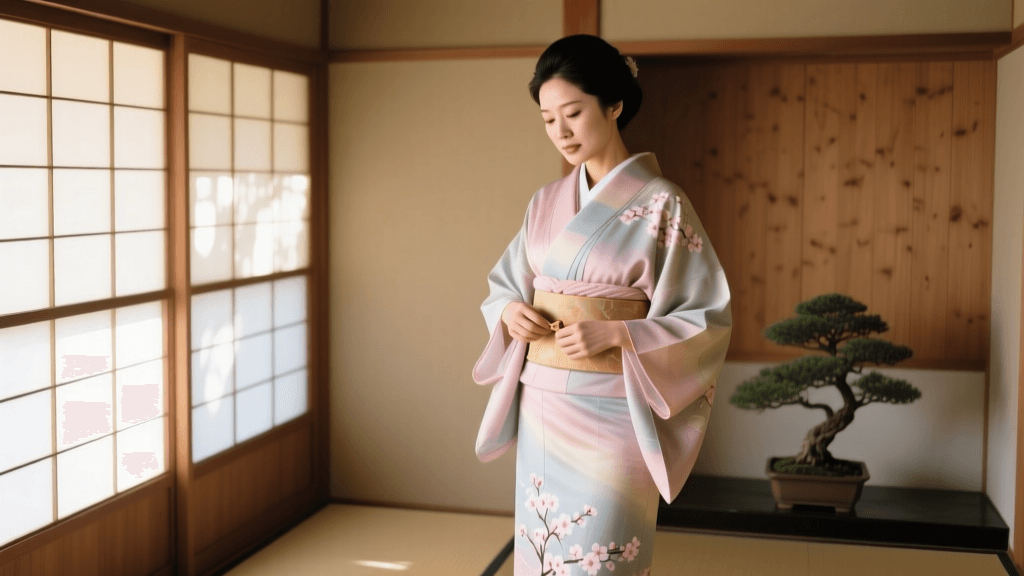
In Japanese culture, the concept of shun (seasonality) dictates not only the culinary arts but also the profound aesthetics of traditional dress. The art of wearing the kimono, known as kitsuke, is a highly structured practice that aligns the wearer with the subtle shifts of the natural world. Unlike Western fashion, which often prioritizes weather-based practicality, Japanese traditional garment layering follows a strict calendar, anticipating the changing seasons slightly before they fully arrive. This anticipation, known as sakidori, demonstrates a refined cultural awareness and respect for nature's transient beauty.
According to the Metropolitan Museum of Art, the evolution of the kimono from the Heian period's multi-layered junihitoe to the streamlined garments of the Edo period retained this deep-seated seasonal consciousness. Today, mastering kitsuke requires an understanding of fabric weights, undergarment layering, and structural padding to achieve the traditional cylindrical silhouette (tsutsu-gata) across varying climates.
The Three Main Seasons of Kimono Wear
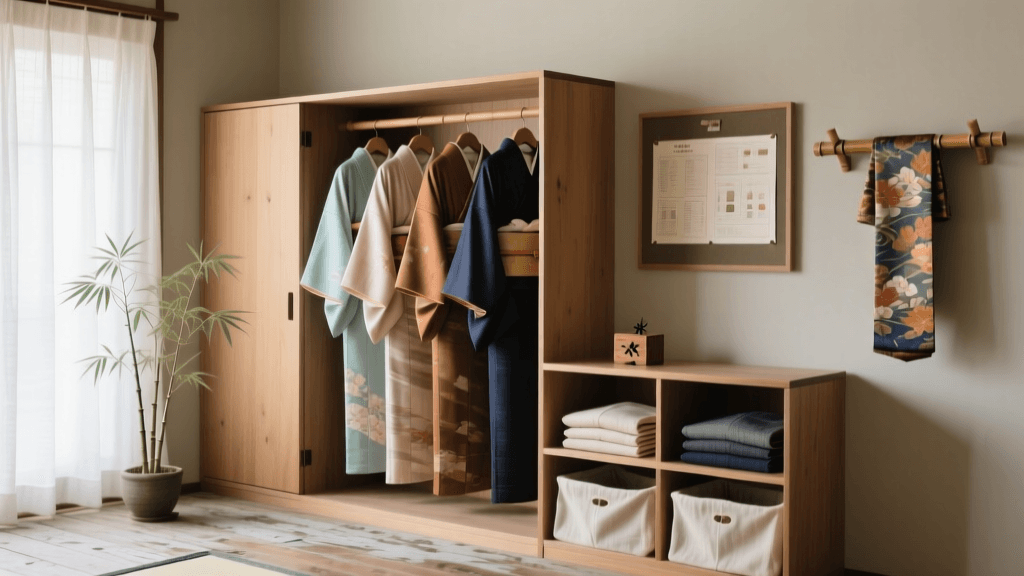
While the meteorological calendar divides the year into four seasons, the kimono wardrobe operates on a tripartite seasonal system based on fabric construction and lining. Adhering to these timelines is considered a fundamental rule of etiquette in formal Japanese dressing.
Awase (Lined Kimono): October to May
The awase is a fully lined kimono worn during the cooler months. The outer layer is typically crafted from heavy silks like chirimen (crepe) or tsumugi (pongee), while the inner lining (dougi) is made of smooth, breathable habutae silk. The lining not only provides warmth but also adds structural weight, allowing the garment to drape elegantly over the body's padding. In deep winter (January and February), wearers may add a haori (kimono jacket) or a michiyuki (kimono coat) for outdoor insulation.
Hitoe (Unlined Kimono): June and September
The transition months of early summer and early autumn call for the hitoe. This garment is constructed without an inner lining, though the seams are meticulously finished with interior silk binding (kise-hera). Wearing a lined awase in June is considered a sartorial faux pas, as it visually and physically implies a lack of awareness of the warming climate. Hitoe garments often feature early-summer motifs like sweetfish (ayu) or autumn motifs like bush clover (hagi) in September.
Usumono (Sheer Summer Kimono): July and August
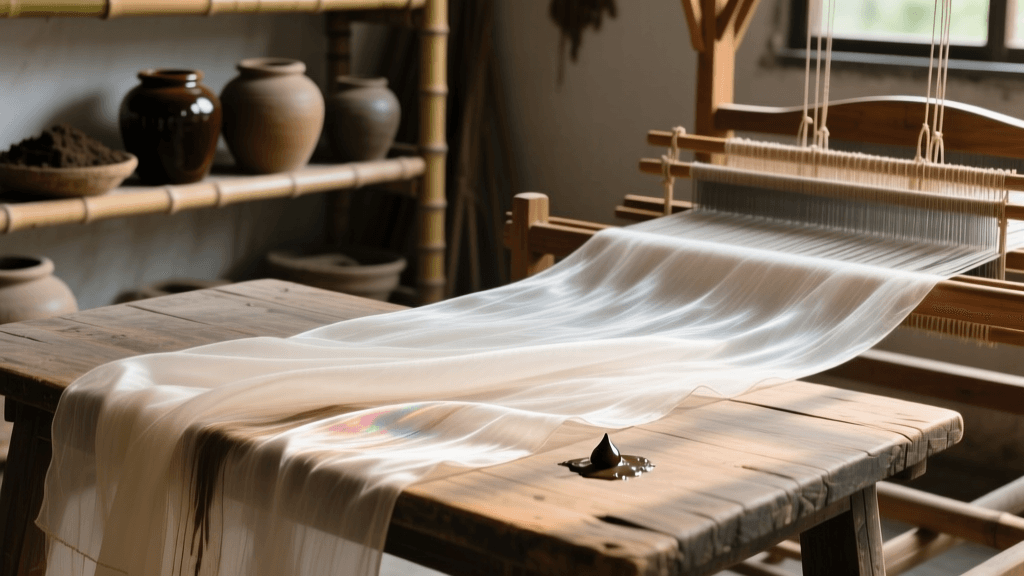
During the peak of the humid Japanese summer, the usumono is worn. These garments are woven from sheer, highly breathable fabrics such as ro (leno weave with horizontal stripes) and sha (plain gauze weave). Because the fabric is translucent, the undergarments worn beneath an usumono must be specifically chosen to complement the outer layer, often featuring subtle dyed patterns or cooling colors like pale blue and white.
Seasonal Wardrobe and Layering Breakdown
The following table outlines the practical requirements for assembling a seasonal kimono wardrobe, including estimated costs for authentic, vintage, and modern pieces sourced from specialized retailers and the Nishijin Textile Center in Kyoto.
| Season | Kimono Type | Fabric / Weave | Undergarment (Juban) | Obi Style | Avg. Cost (USD) |
|---|---|---|---|---|---|
| Oct - May | Awase (Lined) | Chirimen, Tsumugi, Rinzu | Standard Silk Nagajuban | Fukuro Obi (Brocade) | $150 - $800+ |
| Jun & Sep | Hitoe (Unlined) | Light Chirimen, Wool, Linen | Cotton or Light Silk Juban | Nagoya Obi | $80 - $400 |
| Jul - Aug | Usumono (Sheer) | Ro, Sha, Hemp | Katabiro (Sheer Juban) | Ro or Sha Nagoya Obi | $120 - $600 |
Regional Variations: Okinawan Ryusou and Bingata
While mainland Japan adheres to the awase, hitoe, and usumono calendar, the subtropical climate of Okinawa necessitates a different approach to traditional dress. The indigenous Ryukyuan garment, known as Ryusou, prioritizes breathability year-round. The most prized textile is bingata, a vibrant resist-dyed fabric. However, for peak summer and agricultural labor, Okinawans historically relied on bashofu, a remarkably lightweight, breathable cloth woven from the fibers of the Japanese fiber banana plant. Unlike the structured silk of the mainland, bashofu is worn unlined and loosely draped, reflecting an indigenous adaptation to high heat and humidity that predates mainland Japanese sartorial influence. The Victoria and Albert Museum notes that Ryukyuan textiles represent a distinct, parallel tradition of Asian dress, heavily influenced by maritime trade with Southeast Asia and China, yet uniquely adapted to local island ecosystems.
The Foundation: Undergarments and Padding Techniques
A successful kitsuke relies entirely on what is hidden beneath the outer garment. The kimono is cut in straight, T-shaped lines, meaning the wearer's natural curves must be padded to create a smooth, cylindrical canvas. This prevents the fabric from bunching and ensures the obi sits perfectly level.
Essential Undergarments
- Hadajuban and Susoyoke: The base layer consisting of a thin cotton undershirt and a wrap-skirt. In summer, these are often replaced by a single-piece koshimaki made of cooling linen or hemp.
- Nagajuban: The under-kimono. For winter, a lined silk nagajuban is worn. For summer usumono, a katabiro (a nagajuban with sheer sleeves and hem, but an opaque cotton bodice) is essential to prevent sweat from staining the sheer outer silk while maintaining modesty.
- Eri-shin (Collar Stiffener): A plastic or bamboo insert slipped into the nagajuban collar to ensure a crisp, sharp neckline. In summer, a breathable mesh eri-shin is preferred to reduce neck perspiration.
Strategic Padding (Watakomi)
To achieve the tsutsu-gata silhouette, strategic padding is required. Standard padding kits cost between $30 and $60 and include:
- Hip Pads: Wrapped around the waist and hips to fill in the natural curve of the lower back and hips. Measurement tip: The pad should add exactly 2 to 3 inches of circumference to the hips, matching the measurement of the bust.
- Bust Binder (Kimono Bra): Unlike Western lingerie, a kimono bra flattens the bust to prevent the front collar (eri) from gaping open.
- Towel Wrap: In modern kitsuke, a standard cotton hand towel wrapped around the waist with a koshihimo (tying cord) is a cost-effective, customizable alternative to commercial hip pads, especially useful for adjusting asymmetrical body shapes.
Seasonal Adjustments in Kitsuke (Dressing Techniques)
The physical act of dressing changes depending on the temperature and the weight of the fabric.
Summer Kitsuke: Cooling and Ventilation
When dressing in an usumono or hitoe during the summer, the neckline (erimono) is pulled significantly further back than in winter. The standard rule of thumb is to leave enough space between the back of the neck and the collar to fit a full fist. This technique, known as eri o nuku, exposes the nape—a historically considered erogenous and elegant zone in Japan—while allowing crucial air circulation down the spine. The obi is tied slightly higher and looser, and lighter knots like the bunko musubi (bow knot) are preferred over bulky drum knots to reduce lower back heat.
Winter Kitsuke: Insulation and Structure
In winter, the collar is pulled tighter to the base of the neck to trap body heat. The padding is often slightly thicker to compensate for the heavier drape of the awase silk. The otaiko musubi (drum knot) is the standard for winter formal wear; its folded, layered structure acts as an insulating pad over the lower back and kidneys. For extreme cold, modern kitsuke practitioners discreetly apply adhesive kairo (disposable body warmers) to the lower back or the soles of the feet, hidden beneath the tabi socks.
Sourcing and Maintaining a Seasonal Wardrobe
Building a complete seasonal wardrobe from scratch can be prohibitively expensive if purchasing only new, custom-tailored (shitate) garments, which can exceed $3,000 per ensemble. However, the thriving market for recycled kimono (recycle kimono ya) in cities like Kyoto, Tokyo, and Osaka offers high-quality vintage silks for a fraction of the cost.
When purchasing vintage awase or hitoe, always inspect the inner lining for moisture stains and check the silk crepe for shrinkage at the seams, a common issue if the garment was improperly washed. Summer ro and sha garments are particularly fragile; the leno weave can easily snag on jewelry or rough skin. Dry cleaning traditional silk is generally discouraged as it strips the fabric of its natural oils and alters the drape; instead, professional kimono washers (arai-hari) disassemble the garment, wash the flat panels, and re-sew them, a meticulous service that costs approximately $150 to $250 per garment but ensures the textile survives for generations.
Conclusion
Mastering the seasonal wear and dressing techniques of the kimono is a lifelong pursuit of aesthetic refinement and cultural respect. By understanding the structural differences between awase, hitoe, and usumono, and by utilizing precise padding and collar adjustments, practitioners do more than simply wear a garment. They participate in a centuries-old dialogue with nature, embodying the Japanese philosophy that true beauty lies in the harmonious alignment of human artifice and the natural turning of the seasons.