Best Hanfu For Qigong And Meditation In 2026: Top Fabric Picks
The Intersection of Hanfu and Mindful Movement in 2026
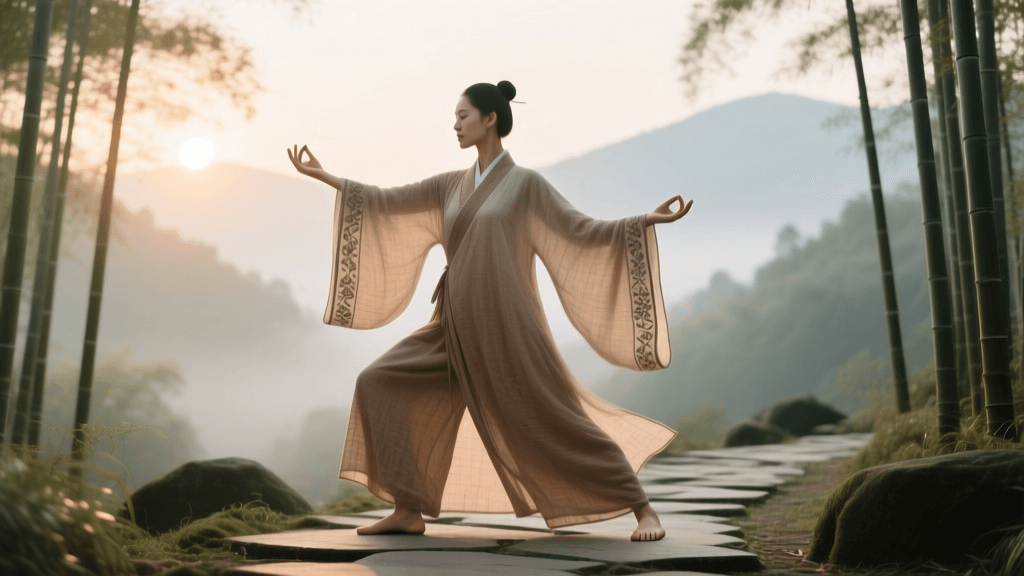
As the global wellness industry continues to evolve in 2026, the intersection of traditional clothing and mindful movement has never been more relevant. Practitioners of Qigong, Tai Chi, and deep meditation are increasingly turning away from synthetic, mass-produced activewear in favor of garments that honor the historical and energetic roots of their practices. Hanfu, the traditional clothing of the Han Chinese, offers a unique silhouette that naturally complements the flow of Qi (vital energy). Unlike modern compression wear, which restricts the skin and superficial meridians, traditional Hanfu designs prioritize drape, breathability, and unrestricted joint rotation.
The revival of Hanfu in the wellness space is not merely an aesthetic choice; it is a functional one. According to research highlighted by Harvard Health Publishing, the gentle, flowing movements of Tai Chi and Qigong require a state of physical relaxation to maximize benefits like improved balance, reduced stress, and enhanced cardiovascular health. Tight waistbands and restrictive cuffs can impede the deep diaphragmatic breathing essential to these practices. By adopting traditional Chinese garments, modern practitioners are finding a deeper mind-body connection that synthetic fabrics simply cannot provide.
Why Traditional Silhouettes Enhance Qi Flow
In Traditional Chinese Medicine (TCM), the body's meridian system runs close to the surface of the skin, particularly around the joints, wrists, and ankles. The foundational philosophy of dressing for Qigong involves keeping these energy pathways open and unobstructed. The classic Hanfu cross-collar (Jiaoling Youren) and the use of fabric ties instead of rigid buttons or elastic bands ensure that the body's primary energy centers, such as the Dantian (located just below the navel), remain completely free of pressure.
When practicing the National Qigong Association's recommended foundational stances, such as the Horse Stance (Ma Bu) or the Bow Stance (Gong Bu), the lower body requires significant fabric ease. Traditional Hanfu trousers and skirts are cut with generous gussets and wide hems, allowing for deep knee flexion without the fabric pulling or binding. This structural ease is critical for maintaining proper alignment and preventing distractions during prolonged meditation sessions.
The Daopao: Ultimate Stillness for Deep Meditation
For seated meditation and slow, internal Qigong forms, the Daopao (Daoist robe) remains the gold standard in 2026. Characterized by its sweeping floor-length hem, wide sleeves (Guangxiu), and relaxed shoulders, the Daopao creates a microclimate around the body. The wide sleeves allow the arms to move through the air with minimal resistance, which is particularly beneficial for practices like 'Cloud Hands' or 'Parting the Wild Horse's Mane'. The heavy drape of a high-quality Daopao also provides a grounding, weighted sensation that helps calm the nervous system, similar to the effects of a weighted blanket, making it ideal for entering deep meditative states.
Duan Da and Yiju: Practicality for Active Qigong
While the Daopao is perfect for stillness, more vigorous Qigong routines or outdoor Tai Chi sessions require something more practical. The Duan Da style—a short, cross-collared jacket paired with tapered trousers and a cloth sash—offers the perfect balance of tradition and mobility. The tapered trousers prevent the fabric from catching underfoot during stepping exercises, while the short jacket allows for full torso rotation. Similarly, the Yiju, a straight-hemmed robe with side slits, offers excellent leg mobility for practitioners who incorporate low stances and sweeping kicks into their morning routines.
Top Fabrics for 2026: Breathability, Drape, and Sustainability
The wellness Hanfu market in 2026 has seen massive innovations in eco-friendly, natural textiles. Choosing the right fabric is just as important as choosing the right silhouette. Here are the top three fabrics dominating the mindful movement space this year:
- Organic Ramie and Hemp Blends: Ramie, one of the oldest textile fibers in China, is highly prized for its natural cooling properties and antibacterial benefits. In 2026, modern weaving techniques have softened ramie, blending it with organic hemp to create a fabric that is durable, highly breathable, and excellent for outdoor summer Qigong. It wicks moisture away from the body without clinging to the skin.
- Bamboo Viscose Silk: For practitioners seeking a softer drape, bamboo viscose blended with raw silk offers a luxurious, fluid feel. This fabric moves like water, making it highly responsive to the subtle shifts in body weight during Tai Chi. It is naturally temperature-regulating and hypoallergenic, making it perfect for sensitive skin.
- Heavyweight Mulberry Silk: Reserved primarily for indoor winter meditation, heavyweight Mulberry silk (19 momme or higher) provides exceptional insulation while remaining entirely breathable. It allows the body to maintain a steady temperature during prolonged periods of stillness, preventing the chills that often accompany deep meditative trances.
Color Theory: Dressing According to the Five Elements (Wu Xing)
In 2026, wellness practitioners are increasingly aligning their Hanfu colors with the Five Elements theory to target specific energetic outcomes during their practice. Selecting the right color can serve as a powerful psychological and energetic anchor.
- Water (Black and Deep Blue): Associated with the kidneys and the root of vitality. Wearing deep blue or black during winter meditation or Kidney-breathing Qigong helps cultivate stillness, conservation, and deep internal warmth.
- Wood (Green): Associated with the liver and the smooth flow of Qi. Green Hanfu is highly recommended for morning stretching routines and active Qigong forms designed to release stagnation and promote flexibility.
- Earth (Yellow and Brown): Associated with the spleen and digestion. Earth tones are grounding and stabilizing, making them the ideal choice for standing meditation (Zhan Zhuang) where the goal is to feel deeply rooted to the ground.
Comparison Chart: Hanfu Styles for Wellness Practices
| Hanfu Style | Best Practice Application | Recommended 2026 Fabric | Avg. Market Price (USD) |
|---|---|---|---|
| Daopao (Daoist Robe) | Seated Meditation, Internal Qigong | Heavyweight Mulberry Silk, Linen | $120 - $280 |
| Duan Da (Short Jacket & Pants) | Active Tai Chi, Outdoor Qigong | Organic Ramie-Hemp Blend | $85 - $160 |
| Yiju (Straight-Hem Robe) | Transitional Movement, Walking Meditation | Bamboo Viscose Silk | $110 - $210 |
| Banbi (Half-Sleeve Vest) | Layering for Cool Morning Practices | Quilted Organic Cotton | $45 - $90 |
Actionable Guide: Building Your 2026 Wellness Wardrobe
Transitioning to a traditional wardrobe for your wellness practice requires attention to specific measurements and accessories. Follow these actionable steps to ensure your garments enhance rather than hinder your routine.
1. Master the Sleeve Measurements
When ordering a custom or made-to-measure Hanfu for Qigong, pay close attention to the sleeve width. For active forms, request 'Zhaixiu' (narrow sleeves) or 'Chuihu' (curved sleeves with a fitted wrist) to prevent the fabric from obscuring your hand placements or catching on your surroundings. For meditation, opt for 'Guangxiu' (wide sleeves) measuring at least 45 cm in width to allow complete freedom of the wrists and forearms, ensuring the heart meridian is never compressed.
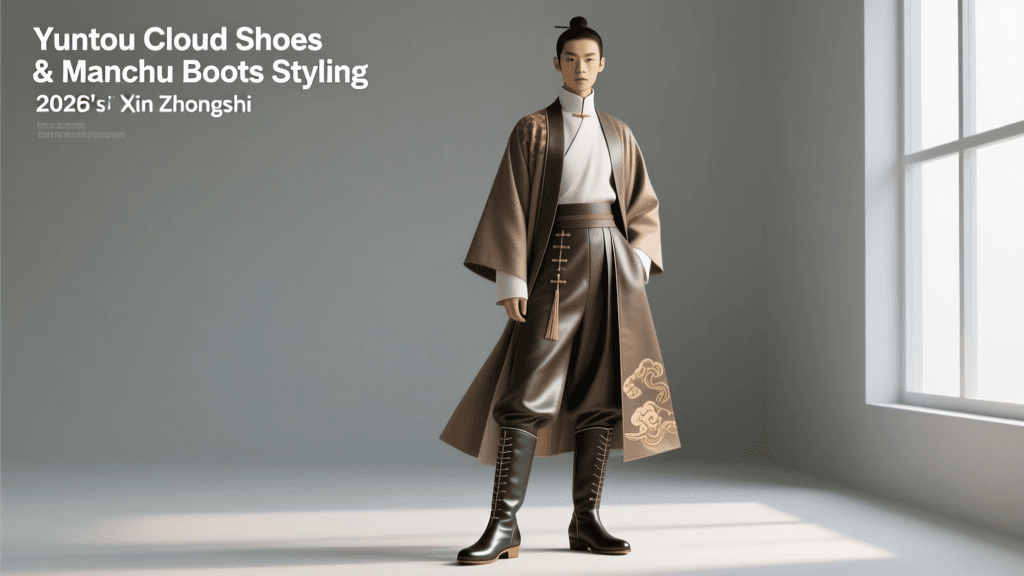
2. Invest in Traditional Cloud Shoes (Yunxie)
Footwear is a critical component of grounding. Modern rubber-soled shoes disconnect the practitioner from the earth and alter the natural biomechanics of the foot. In 2026, traditional cloth Cloud Shoes have been updated with ergonomic cork insoles and natural rubber outsoles for better grip on dew-covered grass. These shoes feature a wide toe box that allows the toes to spread and grip the ground, essential for maintaining balance in single-leg Tai Chi stances. Expect to invest around $60 to $95 for a high-quality, hand-stitched pair.
3. Layering with the Banbi
Morning Qigong sessions often occur during temperature fluctuations. Instead of reaching for a modern zip-up fleece, layer a Banbi (a short-sleeved or sleeveless cross-collared vest) over your base garment. The Banbi provides core warmth, protecting the vital organs and the back 'Wind Gates' (Fengmen) from cold drafts, without restricting arm movement. Look for Banbi made from naturally dyed indigo cotton, which offers mild antibacterial properties and a beautiful, earthy aesthetic.
4. Care for Eco-Dyed Fabrics
Many premium wellness Hanfu brands in 2026 utilize traditional plant-based dyes, such as mugwort, tea, and pomegranate rind. To preserve the energetic integrity and color of these eco-dyes, avoid harsh chemical detergents. Wash your ramie and bamboo garments by hand in cool water using a pH-neutral, plant-based soap. Hang them to dry in the shade; direct sunlight can rapidly degrade natural plant dyes and weaken organic hemp fibers over time.
Conclusion: Honoring the Body and the Tradition
Integrating Hanfu into your Qigong and meditation practice is a profound way to honor the cultural origins of these ancient wellness modalities. As noted by experts in mindfulness and stress reduction at the Mayo Clinic, the environment and physical comfort of the practitioner play a significant role in the efficacy of meditation. By choosing garments that prioritize natural fibers, meridian-friendly silhouettes, and elemental color theory, you create a wearable sanctuary. Whether you are flowing through a Tai Chi form in a breathable hemp Duan Da or sitting in deep stillness wrapped in a silk Daopao, the right traditional clothing will undoubtedly elevate your wellness journey in 2026 and beyond.